
About Us
Our meat is always fresh, hand-cut, delicious and prepared with care. We pride ourselves on the quality of meat we sell to our customers because we value you!
Contact Info
- 110/400 Newmarket Road, Newmarket QLD 4051
- +0738564216
- 110/400 Newmarket Road, Newmarket QLD 4051
- +0738564216
Does Free-Range Chicken Really Taste Better?
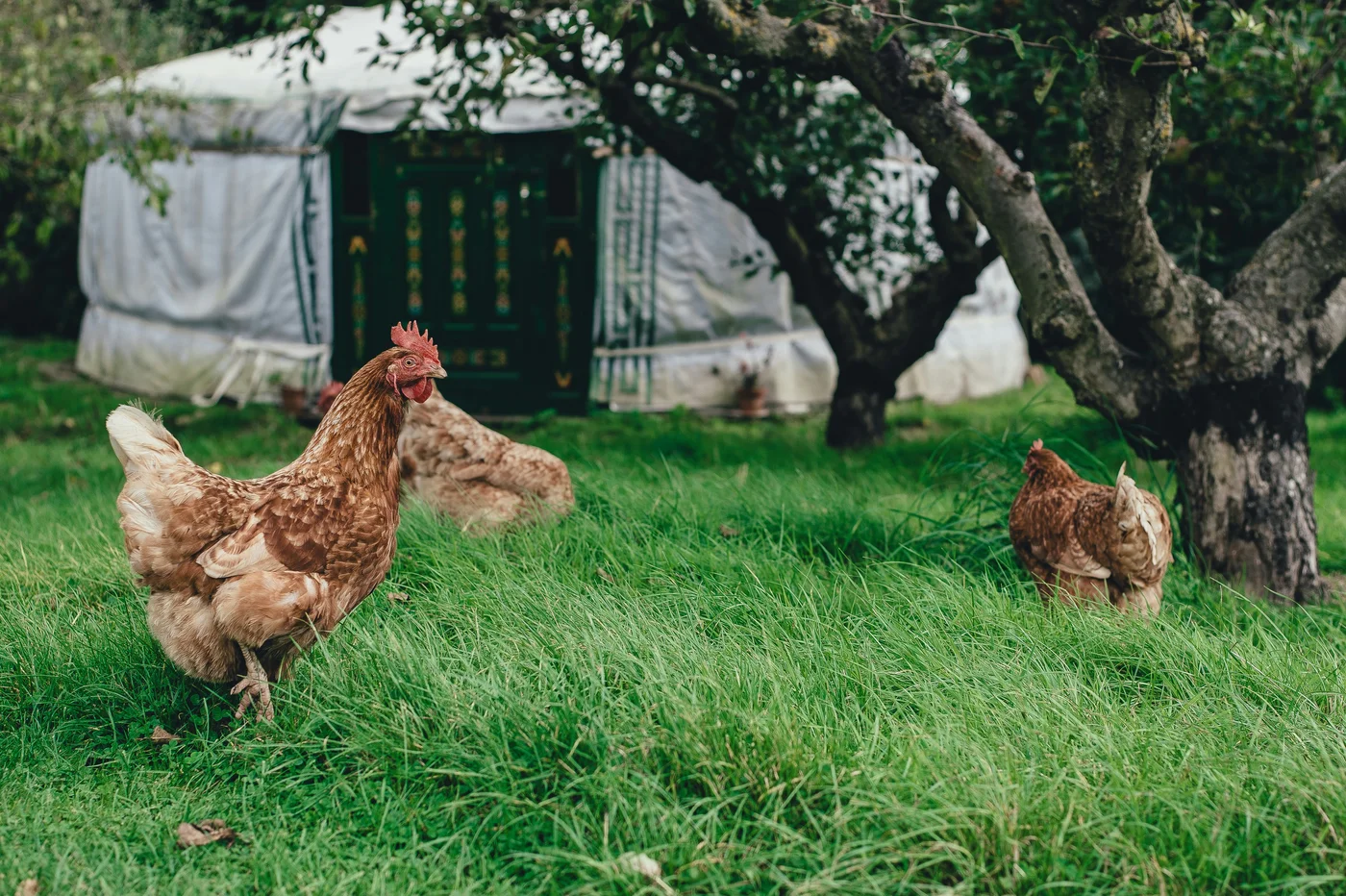
Walking through any supermarket today, you’ll notice an interesting trend—chicken labels seem to compete for your attention with promises of “free-range,” “pasture-raised,” and “organic” quality. It’s easy to get caught up in the marketing stories, but here’s the question that really matters: does free-range chicken actually taste better? or is it just clever marketing designed to justify higher prices?
The debate has been simmering for years among consumers, chefs, and researchers alike. Some swear by the rich, robust flavor of free-range birds, while others claim they can’t tell the difference when it’s on their plate. Meanwhile, scientists have been conducting blind taste tests and analyzing nutritional content to get to the truth.
So what does the evidence actually show?…
The answer isn’t as straightforward as you might expect…
Research reveals that free-range chickens do often taste different from conventionally raised birds—but whether that translates to “better” depends on several factors, including your personal preferences, how the chicken was processed, and even your expectations before taking that first bite.
Defining Chicken Farming Methods
Before diving into taste differences, let’s clarify what these farming labels actually mean. The poultry industry uses various terms that can be confusing, and understanding these distinctions is crucial for making informed purchasing decisions.
Free-range chickens have access to outdoor areas for at least part of their lives, though there’s no strict definition of how much outdoor space or time is required.
Pasture-raised chickens typically spend more time outdoors than free-range birds and have access to larger outdoor spaces where they can engage in natural foraging behaviors. These systems often provide the highest level of outdoor access.
Conventional (indoor) chickens are raised primarily in large, enclosed buildings where they have room to move around but no outdoor access. These birds make up the vast majority of chicken production worldwide.
Common Misconceptions About Labels
One of the biggest misconceptions is that “cage-free” means the same as free-range. In reality, cage-free simply means chickens aren’t kept in cages—they can still be raised entirely indoors in crowded conditions.
Similarly, “organic” doesn’t automatically mean better welfare conditions, though organic chickens must also be free-range.
The term “natural” is particularly misleading since most ready-to-cook chicken can be labeled “natural” simply because it has no artificial ingredients or chemical preservatives. And despite what labels might suggest, no chicken in Australia is ever given hormones or steroids—this has been prohibited by law for decades.
Flavor Factors: What Makes Chicken Taste the Way It Does
Understanding what creates flavor in chicken meat helps explain why farming methods might affect taste. Chicken flavor develops through a complex interplay of muscle use, diet, stress levels, and age—all factors that differ significantly between farming systems.
The Impact of Exercise and Environment
Exercise fundamentally changes muscle development and meat texture. Free-range chickens that actually venture outdoors develop different muscle fiber compositions compared to their indoor counterparts. This increased physical activity leads to firmer, less fibrous meat with better texture.
A study published in Poultry Science found that birds with outdoor access developed better muscle structure, resulting in meat that was judged as more tender and less fibrous by taste panels.
The exercise also affects fat distribution—active chickens tend to have lower overall fat content but better marbling throughout the muscle.
Environmental factors like sunlight exposure, fresh air, and varied terrain contribute to healthier birds with different stress hormone levels.
Lower stress typically correlates with better meat quality, as stress hormones can negatively affect muscle pH and water retention.
Differences in Fat Content and Connective Tissue
Free-range chickens consistently show different fat profiles compared to conventionally raised birds. Research indicates they have 21% less total fat and 30% less saturated fat. However, the fat they do have is often more flavorful due to the varied diet and increased muscle activity.
The connective tissue in free-range chickens is also different. While some studies show higher collagen content in outdoor-raised birds, this collagen breaks down during cooking to create more gelatinous, flavorful broths and gravies. The higher protein content and different amino acid profiles also contribute to more complex flavor development during cooking.
Scientific Studies on Chicken Taste
Multiple controlled studies have compared the sensory qualities of free-range versus conventional chicken, and the results provide compelling evidence for measurable taste differences.
Controlled Taste Tests and Sensory Panels
A comprehensive study involving 600 birds across different housing systems found that taste panels consistently ranked free-range chickens higher for juiciness, tenderness, and overall flavor. In this blind taste test, chickens were prepared identically, eliminating preparation bias. The free-range birds were described as having “juicier,” “more tender,” and “less fibrous” meat.
Belgian researchers conducted an experiment specifically designed to eliminate bias, using experienced taste panelists to evaluate chickens from cage, indoor, and free-range systems. They found that birds with outdoor access scored significantly higher on multiple taste metrics. Importantly, these differences were detected in blind taste tests, ruling out psychological bias from knowing the farming method.
A study published in Animal Science examined slow-growing broilers and found that free-range access positively affected meat quality, taste, and composition. The taste panel judged breast meat from free-range chickens to be more tender and less fibrous, with thigh meat rating as juicier compared to indoor birds.
The Role of Omega-3s and Fatty Acids
Free-range chickens consistently show higher levels of beneficial fatty acids, particularly omega-3s, which contribute to both nutritional value and flavor complexity. Research shows that outdoor birds have up to three times more omega-3 fatty acids compared to conventional chickens.
These higher levels of polyunsaturated fatty acids create more complex flavor profiles. A study found that free-range chickens had significantly higher percentages of polyunsaturated fats (35.84% vs 34.59%), which are associated with more pronounced, savory flavors.
The omega-6 to omega-3 ratio is also more favorable in free-range birds, creating what many describe as a “cleaner,” more natural chicken flavor. This improved fatty acid profile doesn’t just affect nutrition—it directly impacts how the meat tastes when cooked.
The Role of Diet and Feed
What chickens eat dramatically affects how they taste, and this is where free-range systems show their biggest advantages. The dietary differences between indoor and outdoor-raised chickens create measurable changes in meat flavor and nutritional content.
Foraging and Natural Diet Diversity
Free-range chickens that actually use their outdoor access consume a much more varied diet than their indoor counterparts. While confined chickens eat primarily grain-based commercial feed, outdoor birds supplement their diet with insects, grasses, seeds, and other forage.
Insects are particularly important for flavor development. These natural protein sources provide amino acid profiles that better match chickens’ evolutionary needs. Studies show that chickens eating insects develop meat with more complex flavor compounds and better texture.
The varied plant matter that free-range chickens consume also contributes to flavor differences. Different grasses, weeds, and seeds provide varying levels of vitamins, minerals, and plant compounds that accumulate in the meat. This dietary diversity creates layers of flavor complexity that simply can’t be replicated with uniform commercial feed.
Feed Composition and Meat Quality
Commercial feed for conventional chickens is designed for rapid growth and efficiency, not necessarily flavor. Most conventional feeds rely heavily on soy and corn, which can create bland, uniform flavor profiles.
Free-range operations often use higher-quality base feeds supplemented with the birds’ natural foraging. Some producers specifically include flax seeds and other omega-3 rich ingredients to enhance the nutritional profile and flavor of the meat.
Research shows that it takes as little as 10-14 days of improved diet to create measurable changes in meat flavor and nutritional content. This means that even relatively short periods of quality outdoor access can improve taste, though longer access periods show greater benefits.
Processing, Transport, and Stress
The final hours of a chicken’s life significantly impact meat quality and flavor, and this is an area where different farming systems show important distinctions.
Slaughter Methods and Stress Response
Transport stress creates measurable changes in meat quality. Studies show that even 30 minutes of transport stress can increase drip loss and affect meat color. Longer transport times (2+ hours) can result in 20-33% mortality rates and significant degradation of meat quality.
Free-range chickens may actually experience different stress patterns during processing. While they may be more sensitive to handling due to less human contact, many free-range operations use smaller-scale processing facilities with shorter transport times.
Stress hormones like cortisol directly affect meat pH, water retention, and flavor development. Chronically stressed chickens produce meat with poor water-holding capacity, resulting in dry, less flavorful meat regardless of how they were raised.
Rest Periods and Meat Quality
Research on pre-slaughter rest periods shows significant effects on final meat quality. Studies indicate that chickens benefit from 2-4 hours of rest after transport before slaughter, which allows stress hormones to normalize and improves final meat quality.
Free-range operations often have advantages in this area due to smaller scale operations and shorter supply chains. However, the increased exercise and muscle development in free-range birds can also mean they require different handling techniques to maintain meat quality through processing.
What Consumers Think vs. What They Taste
Perhaps the most fascinating aspect of the free-range taste question involves the psychology of perception—how our expectations and beliefs influence what we actually taste.
Blind vs. Branded Taste Tests
Multiple studies have specifically examined how labeling affects taste perception, and the results reveal the complex relationship between marketing and actual flavor preferences.
In blind taste tests where participants don’t know the farming method, free-range chickens still often score higher for flavor, texture, and overall preference. However, the differences are sometimes smaller than when participants know they’re eating free-range chicken.
A famous blind taste test conducted by professional food critics found that even experts can struggle to identify farming methods consistently. One food critic, when presented with two similar-sized birds prepared identically, correctly identified the more flavorful chicken as free-range, but noted that “both birds tasted like classic ordinary chicken” until directly compared.
Research in consumer psychology shows that food labels can profoundly affect taste perception. Studies demonstrate that expectations of how food “should” taste based on its origin story can actually change neural responses in taste-processing areas of the brain.
The Placebo Effect in Food
Just as medical placebos can create real physiological responses, food expectations can genuinely alter taste perception. Studies using functional MRI brain imaging show that people who expect food to taste good show increased activity in pleasure centers, even when eating identical products.
This doesn’t mean free-range taste differences are “just psychological”—rather, it shows that both real chemical differences and psychological expectations work together to create our final taste experience. The key finding is that even when controlling for expectations through blind testing, sensory differences often remain detectable.
Consumer studies show that people often rate the same product differently depending on whether they see labels like “free-range,” “organic,” or “farm-fresh”. However, when these same products are compared in properly controlled blind tests, the differences in ratings often decrease but don’t disappear entirely.
Ethical and Environmental Considerations
While taste might be your primary concern when choosing chicken, understanding the broader impact of farming methods provides important context for why these systems produce different results—and why many Brisbane consumers are increasingly choosing free-range options.
Beyond Taste: Animal Welfare and Environmental Impact
Free-range farming systems generally provide better animal welfare conditions, allowing chickens to engage in natural behaviors like foraging, dust bathing, and roosting. These welfare improvements often correlate with meat quality improvements, as less stressed, more active animals typically produce better-tasting meat.
However, environmental impacts are more complex than they might initially appear. While free-range systems often have lower resource use per bird, they can create different environmental challenges. Free-range farms can contribute to water pollution through phosphate runoff from chicken manure, particularly when birds compact outdoor soil surfaces.
The land use requirements for free-range systems are significantly higher, which means these methods can’t easily replace all conventional production without major agricultural changes. Brisbane consumers choosing free-range chicken are often balancing multiple factors: taste, animal welfare, environmental impact, and price.
Supporting Local Brisbane Producers
For Brisbane residents, choosing free-range chicken often means supporting local and regional farmers who use higher-welfare production methods. A Place 2 Meat your Brisbane butchers offer fresh, locally-raised free-range options that reduce transport stress and support the local economy.
Many Brisbane-area free-range operations focus on smaller-scale, sustainable farming practices that can provide both better animal welfare and superior meat quality. These local systems often allow for shorter processing chains, which can help maintain meat quality from farm to table.
When you choose quality free-range chicken from local Brisbane suppliers, you’re not just making a taste decision—you’re supporting farming practices that prioritize animal welfare and often produce measurably different, more flavorful chicken.
At A Place 2 Meat, we understand that our Brisbane customers want the best of both worlds: exceptional flavor and ethical farming practices.
The evidence is clear: free-range chickens often do taste different, and frequently better, than conventionally raised birds. The differences come from increased exercise, varied diets, lower stress levels, and different fat compositions—all factors that create more complex, satisfying flavors in the final product.
While individual preferences vary, and psychological factors do play a role in taste perception, controlled scientific studies consistently show measurable differences in texture, juiciness, and flavor between free-range and conventional chicken.
For Brisbane cooks who appreciate quality ingredients, choosing free-range chicken from A Place 2 Meat means getting meat that’s been raised with care, resulting in better flavor and supporting ethical farming practices.
Ready to taste the difference for yourself? Check our chicken selection and discover why more Brisbane households are choosing free-range chicken for their family meals.
When you’re planning your next family dinner or weekend barbecue, consider making the switch to free-range chicken—your taste buds will thank you.