
About Us
Our meat is always fresh, hand-cut, delicious and prepared with care. We pride ourselves on the quality of meat we sell to our customers because we value you!
Contact Info
- 110/400 Newmarket Road, Newmarket QLD 4051
- +0738564216
- 110/400 Newmarket Road, Newmarket QLD 4051
- +0738564216
How Long to Cook Chicken Thighs: A Guide for Every Method
Understanding Chicken Thigh Cooking Basics
Bone-In vs Boneless Chicken Thighs
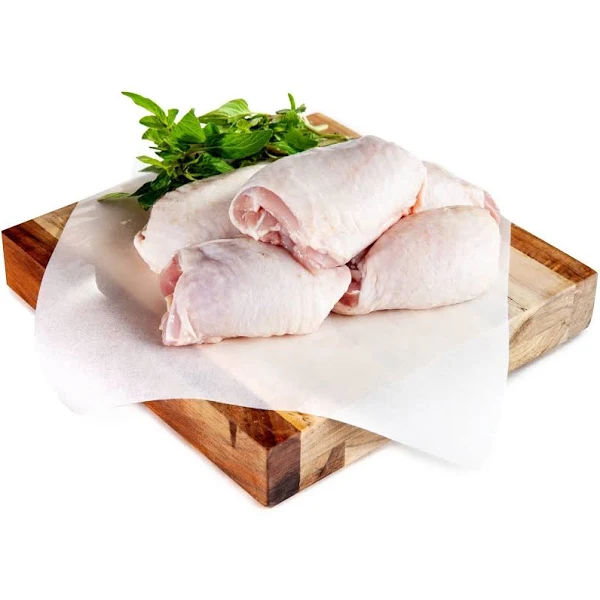
Chicken thighs come in two common varieties: bone-in and boneless. Bone-in thighs (often with the skin on) take a bit longer to cook but reward you with extra flavour and juiciness from the marrow and fat. Boneless thighs cook faster and are super convenient for quick meals or for anyone who prefers a no-fuss prep.
The choice comes down to personal preference: go with bone-in if you have time and want deep flavour, or boneless if you need to get dinner on the table fast. Just remember to adjust your cooking time accordingly.
Skin-On vs Skinless Chicken Thighs
Whether your thighs have skin or not makes a big difference in cooking and flavour. Skin-on thighs get wonderfully crispy when roasted or fried, locking in moisture and adding richness. If you love crackling skin, leave it on and opt for a hot cooking method like roasting, grilling, or air frying. On the flip side, skinless thighs are lighter and absorb marinades and rubs more easily. They also cook a little faster since there’s no skin barrier. In general, skin-on thighs will need a little extra time to fully cook through (to melt the fat under the skin), whereas skinless thighs finish sooner. Pick skin-on for flavor and juiciness, and skinless if you’re in a hurry or want leaner meat.
Safe Internal Temperature for Chicken Thighs
Regardless of the cut, chicken thighs must reach the right temperature for safety and juiciness. In Australia (and worldwide), the recommended internal temperature for cooked chicken is 75°C (165°F). Use a meat thermometer inserted into the thickest part of the thigh (not touching bone) to check. Once the thermometer reads 75°C, the chicken is cooked through. This ensures tender meat with no pink bits.
Pro tip: carryover cooking will raise the thigh’s temperature by a couple of degrees as it rests, so pulling it at 75°C hits the mark perfectly. Always check this way rather than relying on time alone, and you’ll end up with juicy, safe-to-eat chicken.
How Long to Bake Chicken Thighs (Oven Baking)
Oven baking is a convenient and hands-off method that yields reliably tender chicken thighs. The exact time depends on whether the thighs are boneless/skinless or bone-in/skin-on, and on your oven’s temperature. Here’s the breakdown for each.
Boneless, Skinless Chicken Thighs
Boneless, skinless chicken thighs cook fairly quickly in a preheated oven. Set the oven to about 200°C (400°F). Arrange the thighs on a baking sheet or in a baking dish, leaving space between each piece. Bake them for roughly 20–25 minutes, flipping once halfway through, until they are no longer pink inside. Always double-check with a thermometer: they’re done at 75°C. Because these thighs have no bone, the heat penetrates easily, so 20–25 minutes is usually enough. If your thighs are extra thick or your oven runs cool, you might need a few more minutes—just keep an eye on them and test early. You’ll know they’re ready when juices run clear and a thermometer in the center reads 75°C. Let them rest a couple of minutes before serving to let the juices settle.
Bone-In, Skin-On Chicken Thighs
Bone-in, skin-on thighs need a bit more time in the oven. A good rule is to bake them at 180–200°C (350–400°F) for around 35–45 minutes. Spread them out on a baking tray skin-side up. The bone slows the cooking, so check a little early if you’re at the lower end of that range. You’ll know they’re done when the skin is golden and crisp and an inserted thermometer reads 75°C near the bone. If the skin is browning too fast but the thigh isn’t cooked yet, tent the tray with foil to prevent burning. By the end, the skin should be crackly and the meat tender (it often pulls away from the bone easily). The extra bake time also means delicious drippings – perfect for spooning over rice or roasted veggies.
Tips for Juicy Oven-Baked Thighs
- Marinate or Season Ahead: Even a short marinade (30 minutes) or dry rub amps up flavour. For example, toss thighs with lemon juice, garlic, olive oil, and herbs before baking. This infuses the meat and helps lock in moisture.
- Elevate Them: Use a wire rack on your baking tray. It lets hot air circulate under the thighs, yielding crisper skin all around (and makes cleaning up a breeze).
- Don’t Overcook: Start checking with a thermometer a few minutes before the minimum time. As soon as the meat hits 75°C, take it out. Overbaking is the biggest culprit behind dry thighs.
- Rest After Baking: Let the thighs sit 5–10 minutes tented with foil after removing from the oven. This brief rest lets juices settle back into the meat, so every bite is juicy.
How Long to Roast Chicken Thighs
“Roasting” often means using higher heat in the oven, which creates browning and crispy edges. Chicken thighs roast beautifully, whether you want a quick sear in the oven or a slow, tender result.
High-Heat Roasting for Crispy Skin
For ultra-crispy skin, roast chicken thighs at a higher temperature. Preheat your oven to around 220–230°C (425–450°F). Arrange thighs skin-side up on a tray (you can rub the skin with a little oil and spices first). At this heat, boneless thighs typically need about 20–30 minutes of roasting. Bone-in thighs will be done in roughly 30–40 minutes or so. Keep a close eye on them: high heat means the skin can go from golden to burnt quickly. If it looks like it’s scorching, lower the temperature a bit. You can also start by searing the thighs skin-side down in a hot oven or skillet for a couple of minutes before lowering the heat, which helps lock in that crispiness. The result is skin nearly as crispy as frying—just remember that higher heat means you may need to watch a little more closely.
Slow Roasting for Tender Meat
If you have time and want the meat extra tender, try a slow roast. Lower the oven to about 160–170°C (325–340°F). Slow-roasting chicken thighs (especially bone-in, skin-on) for 45–60 minutes will break down the connective tissues and render the fat, resulting in fall-off-the-bone tenderness. It’s similar to braising without added liquid — the chicken’s own juices keep it moist. Even at this low temperature, use a thermometer to ensure they reach 75°C internally. We like to toss a few garlic cloves, onion chunks, or herbs like rosemary into the roasting pan so the thighs absorb extra flavour as they cook. The skin will still brown (though not as dramatically), and the meat inside will be melt-in-your-mouth tender.
How Long to Cook Chicken Thighs in an Oven (General Guide)
Whether you call it baking or roasting, here are some general oven guidelines for cooking chicken thighs. Adjust according to your oven and desired outcome:
Ideal Oven Temperatures
- 180°C (350°F) – Moderate: A good all-purpose temperature. Expect boneless thighs ~25 minutes; bone-in ~35–40 minutes.
- 200°C (400°F) – High: Faster cooking and crisping. Boneless thighs ~20 minutes; bone-in ~30–35 minutes.
- 160°C (325°F) – Low (Slow Roast): Gentle cooking. Boneless ~30 minutes; bone-in ~45–60 minutes. Great for tenderness.
- 230°C (445°F) – Very High/Broil: Use sparingly for finishing. A minute or two under a broiler or at this temp on a hot tray can brown skin once the chicken is already cooked.
When to Cover vs Leave Uncovered
- Uncovered: For most roast or bake methods, cook thighs uncovered. This lets moisture evaporate and the skin or outside brown and crisp up.
- Covered: If you’re slow-roasting (especially bone-in thighs) and want extra moistness, cover the pan with foil for the first half of cooking. Then remove the foil for the last 10–15 minutes to brown the surface.
- Tenting: If the chicken’s surface is browning too fast before it’s cooked through, tent a piece of foil loosely over it. This shields it from the intense heat while the interior finishes.
- Carryover Cooking: Remember that meat’s internal temperature will rise a bit after you take it out of the oven. Pull the thighs right at 75°C, cover them, and let them rest – they’ll hit the perfect temp without drying out further.
How Long to Air Fry Chicken Thighs
Air fryers are like little high-speed convection ovens. They circulate hot air for crispy results with minimal oil. Cooking times are fast, making this great for a quick, juicy thigh.
Boneless Thighs in the Air Fryer
Boneless, skinless thighs do really well in an air fryer. Preheat the air fryer to about 190–200°C (375–400°F). Lightly coat or spray the thighs with oil and your favorite seasoning. Place them in a single layer in the basket (don’t stack them) and cook for about 10–15 minutes total, flipping once halfway. They should be browned on the outside and reach 75°C internally. If you have a really large air fryer or extra-thick thighs, you might need up to 18 minutes, so check a bit early. Once cooked, let them rest a couple of minutes before serving. The quick, circulating heat will make the edges crispy and the meat tender.
Bone-In Thighs in the Air Fryer
For bone-in thighs, bump the time slightly. At 190°C, plan on roughly 18–22 minutes. Cook for about 9–11 minutes on one side, then flip and cook another 9–11 minutes, checking the temperature around 18 minutes. The goal is a crisp skin with a juicy interior. If the skin is darkening too quickly before it’s done, drop the heat to 180°C and cook a few extra minutes. Pat the thighs dry and rub with a bit of oil before cooking — this helps the skin get really crispy under the hot circulating air. Use the thermometer: they should hit 75°C, and the skin will be nicely browned all over when they’re finished.
Tips for Crispy Air-Fried Chicken Thighs
- Pat Dry: Moisture is the enemy of crispiness. Make sure thighs are completely dry before seasoning.
- Season Well: Don’t skimp on salt and your favourite spices (paprika, garlic powder, etc.). A light coating of oil will help them stick.
- Don’t Overcrowd: Give each thigh space for the air to circulate. If needed, cook in batches. Crowding leads to steaming instead of frying.
- Flip or Shake: Turn the thighs at least once during cooking for even browning.
- Rest Briefly: Even in an air fryer, let thighs rest 2–3 minutes after cooking to let the juices settle before you bite in.
How Long to Grill Chicken Thighs
Grilling adds that smoky, charred flavour we love. Chicken thighs do best with a mix of direct and indirect heat for even cooking and good crust.
Direct Heat vs Indirect Heat Cooking
- Direct Heat: Place the thighs right over the flames or hot coals. This is great for searing the outside and getting those grill marks.
- Indirect Heat: After searing, move the thighs to a cooler part of the grill (or turn off one burner under them) and close the lid. They finish cooking through in gentler heat without burning.
- Strategy: A common approach is to sear thighs skin-side down over direct heat for a few minutes, then switch them to indirect heat, close the lid, and let them cook until done.
Grilling Boneless Thighs
Boneless thighs grill faster since they’re thinner. Preheat your grill to medium-high (around 190–200°C). Grill each thigh for 5–7 minutes on the first side, then flip and grill another 4–6 minutes on the other side. Total time is usually 9–13 minutes. Keep an eye on them: once they reach 75°C internally, they’re done. Because boneless thighs cook relatively quickly, keeping the lid closed between flips helps maintain heat. If they develop nice char in those times and the thermometer reads 75°C, you’re ready. Boneless thighs can even handle a slightly hotter grill, but watch them closely so they don’t dry out.
Grilling Bone-In Thighs
Bone-in thighs need a bit more time to cook through. Start by placing skin-side down over direct medium-high heat and searing for about 5–6 minutes, until the skin crisps and browns. Then move them to indirect heat (or turn down to medium-low) and close the lid. Cook for another 15–20 minutes, flipping once halfway, until they reach 75°C internally. In total, plan around 20–25 minutes of grill time. If you like sauce or glaze, baste them in the final 5 minutes (added too early can burn the sugars). When done, remove them and let them rest 5 minutes before serving so the juices redistribute. The result is charred, smoky skin and tender meat inside.
How Long to BBQ Chicken Thighs
In BBQ terms, “barbecue” often means low and slow smoking. We’ll cover both the traditional slow-smoking method and a quicker BBQ-style cook.
Slow and Smoky BBQ Method
For classic low-and-slow barbecue, smoke the thighs. Preheat your smoker or barbecue to 120–140°C. Season bone-in, skin-on thighs with your favorite dry rub or marinade, and place them on the smoker grate. Smoke for about 1.5 to 2 hours until they hit 75°C internally. Use wood chips (hickory, applewood, or your favourite) to add that deep smoky flavor. You can mop or baste the thighs with a thin sauce every 30 minutes to keep them moist and build layers of flavor. The result: fall-off-the-bone tender meat with a deeply smoky, caramelised exterior and richly flavored drippings.
Quick BBQ Method for Weeknights
Not every night allows hours of smoking, and that’s okay! For a quicker BBQ-like meal, grill the thighs at higher heat for less time. Preheat your grill to 180–200°C. Grill bone-in thighs about 6–8 minutes per side (roughly 15–20 minutes total), or boneless thighs 5–7 minutes per side. Use the same seasoning or a splash of BBQ sauce in the last few minutes for that barbecue tang. You’ll get nicely charred, caramelised skin and juicy meat in about the same time as a normal grill cook. It won’t be heavily smoked, but it will have that delicious BBQ character without the all-day wait.
How Long to Pan Fry Chicken Thighs
Pan frying on the stovetop is a quick way to cook thighs with a crispy sear and juicy meat. It’s perfect for weeknight dinners or when you want control over the browning.
Perfect Pan-Fried Boneless Thighs
Heat a drizzle of cooking oil (like olive or vegetable oil) in a skillet over medium-high heat. Pat the boneless thighs dry and season them well. Once the oil is hot, place the thighs in the pan and cook for about 4–6 minutes on the first side, without moving them, until golden brown. Flip the thighs and cook for another 4–6 minutes on the other side. That’s about 8–12 minutes total. Check one piece with a thermometer; it should reach 75°C in the center. If the thighs are very thick and not done by then, lower the heat to medium, cover the pan, and cook 1–2 more minutes. The result will be golden, tender chicken, perfect with a quick pan sauce or salad.
Searing and Finishing Bone-In Thighs
For bone-in thighs, start with a good sear and then finish on lower heat. Heat oil in a pan over medium-high. Place thighs skin-side down and sear for 4–5 minutes, until the skin is nicely browned. Flip and sear the other side for 2–3 minutes. Now lower the heat to medium-low, cover the pan, and let the thighs cook gently in their own juices. Cook for an additional 15–20 minutes, flipping once halfway through. The low simmer will finish cooking the meat around the bone. Alternatively, after searing both sides, you can transfer the pan to a 180°C oven for about 20 minutes. Either way, you’ll end up with crispy skin and tender meat that’s fully cooked (check for that 75°C) and easy to pull apart.
How Long to Boil Chicken Thighs
Boiling (or simmering) chicken thighs is often done when making soups, stews, or shredded chicken. It’s a simple, hands-off way to cook chicken that infuses flavor into the liquid.
Boiling Boneless Thighs
Place boneless thighs in a pot and cover with water or broth. Bring to a gentle boil, then reduce to a simmer. Boneless thighs usually need about 12–15 minutes of simmering to cook through. You’ll know they’re done when the meat turns completely white (no pink) and a thermometer inserted reads 75°C. The thighs should be tender enough to shred easily with a fork. After boiling, you can remove the chicken for shredding or slicing and use the cooking liquid as broth for soups if desired.
Boiling Bone-In Thighs
Bone-in thighs take a bit longer to boil. Use the same method: cover them with liquid, bring to a boil, then simmer. Plan on about 20–25 minutes for bone-in thighs (though very large ones or more crowded pans could require up to 30). The bone slows the heat slightly, so check at around 20 minutes. Again, aim for 75°C inside. The meat should turn opaque and start to fall from the bone. Boiled bone-in thighs are great for shredding (the bone slides right out when done) or for adding to dishes like curries and stews.
How to Tell When They’re Fully Cooked
- Color: The meat should be completely opaque (white), with no pink remaining near the bone.
- Juices: Any liquid running out should be clear, not pink or red.
- Thermometer: A quick check with an instant-read thermometer in the thickest part should read 75°C.
- Texture: Properly boiled thighs will be tender and easy to shred or cut apart.
Combining these checks will give you confidence that the chicken is fully cooked and safe to eat.
How to Poach Chicken Thighs
Poaching is a gentle way to cook chicken thighs in simmering liquid, often with added aromatics. It’s similar to boiling but at a lower temperature, which keeps the meat extra moist.
Step-by-Step Poaching Method
- Prepare the Poaching Liquid: In a pot or deep pan, combine water or chicken stock with flavorings. Good aromatics include sliced onion, crushed garlic, bay leaves, peppercorns, or herbs like thyme or parsley.
- Heat the Liquid: Bring the mixture to a gentle simmer over medium heat (small bubbles, not a rolling boil).
- Add the Thighs: Submerge the chicken thighs fully in the simmering liquid. Reduce heat slightly so the liquid stays at a gentle simmer.
- Simmer Gently: Let the thighs cook without crowding. Maintain a low simmer (just a few small bubbles) so the cooking is even and tender.
- Finish and Rest: After the required time (see below), remove the pan from heat. Carefully take the thighs out and let them rest briefly before slicing or shredding.
Poaching Times for Bone-In and Boneless
- Boneless Thighs: Poach for about 10–15 minutes. Because these have no bone, they cook through a bit faster. Check at 10 minutes and then every few minutes after until done.
- Bone-In Thighs: Poach for about 18–20 minutes. The bone means they need a little longer. Start checking at 18 minutes.
In both cases, aim for the meat to reach 75°C. Poaching this way yields very moist, tender chicken that’s perfect for shredding or as the star of a salad or soup.
Best Aromatics for Poaching Liquid
Adding flavour to the poaching liquid infuses it into the meat. Try any combination of these:
- Onions & Garlic: Quarter an onion and toss in several crushed garlic cloves for a subtle allium sweetness.
- Herbs: Bay leaves, parsley stalks, thyme, or dill sprigs add aromatic notes.
- Spices: Whole peppercorns, coriander seeds, or even a cinnamon stick can add warmth.
- Citrus: Slices of lemon or orange brighten the flavour.
- Ginger & Chillies: Slices of fresh ginger, lemongrass, or a mild chili can give an Asian-inspired hint.
Don’t be afraid to mix and match based on the recipe you plan to use the chicken in. The poaching liquid will become a flavorful broth, and the meat will carry those subtle tastes.
How Long to Sous Vide Chicken Thighs
Sous vide cooking involves sealing the thighs in airtight bags and cooking them in a water bath at a precise temperature. This guarantees perfectly even doneness from edge to edge.
Recommended Temperature & Time Pairings
Popular sous vide settings for chicken thighs are:
- 65°C (149°F) for 1.5 hours: Yields very tender, juicy meat. Safe pasteurization happens after about an hour at this temp.
- 70°C (158°F) for 1–2 hours: Still tender, with a more traditional texture. Very safe and ensures fully white meat.
- 74°C (165°F) for 1 hour: Equivalent to the standard safe temp. The meat will be fully cooked in the bag and can be held for up to a couple of hours without overcooking (thanks to the precise temperature control).
In general, 1–2 hours is sufficient for chicken thighs. They won’t overcook if you stay in that range; they’ll just get slightly more tender the longer they cook. Feel free to go up to 2–4 hours for even softer, shreddable texture—especially for bone-in thighs.
Bone-In vs Boneless Sous Vide Timing
- Boneless Thighs: Heat through quickly in the water bath. One hour at 65–70°C is enough, though 2 hours can make them extra tender. They won’t dry out at these temperatures.
- Bone-In Thighs: Plan on more time, around 2–4 hours. The bone slows down heat transfer, so the interior takes longer to reach temperature. A longer bath (up to 4 hours) ensures the meat is uniformly tender, even near the bone.
No matter which you choose, the chicken inside the bag will get to exactly the set temperature (65–74°C), so it’s fully cooked. The longer time mostly affects texture.
Searing After Sous Vide
After sous vide, the chicken will be cooked but very pale – a quick sear adds flavour and visual appeal:
- Pat Dry: Remove thighs from the bag and thoroughly dry them with paper towels. Moisture is the enemy of a good sear.
- High Heat: Heat a skillet with a tablespoon of oil (or use a grill or kitchen torch) until very hot.
- Sear Quickly: Place the thighs skin-side down and sear for 1–2 minutes until golden-brown. Flip and sear the other side for 30–60 seconds. You’re just browning the outside; the inside is already cooked.
- Rest Briefly: Let the thighs rest a minute after searing. You’ll end up with super-tender, moist chicken and a delicious crispy exterior – the best of both worlds!
How Long to Cook Chicken Thighs in a Slow Cooker
Slow cookers (or Crock-Pots) let you “set and forget.” They’ll turn chicken thighs fall-apart tender with minimal effort.
Low Setting Cook Times
- Boneless Thighs: On Low, expect 4–6 hours. They’ll stew in their juices or sauce and come out very tender.
- Bone-In Thighs: Give them a bit more time: 6–8 hours on Low. The bones and extra fat benefit from the longer, gentle cooking.
Just layer thighs with any sauce or liquid (stock, curry sauce, BBQ sauce, etc.) and set it. By dinner time, the meat will be shreddable. We often start these in the morning so dinner is ready by the evening in Brisbane’s busy schedule.
High Setting Cook Times
If you’re in a hurry:
- Boneless Thighs: About 3–4 hours on High. They’ll be done and tender, though Low yields slightly juicier results.
- Bone-In Thighs: About 4–5 hours on High. Check at 4 hours — if the meat pulls easily, it’s done.
Every slow cooker is a little different, so start checking early. Either way, the thighs should reach 75°C and be easy to shred when finished.
Best Recipes for Slow Cooker Thighs
Slow cooker thighs work in so many recipes. A few favourites:
- Chicken Curry or Adobo: Slow-cook thighs in coconut milk with curry paste and spices, or in soy-vinegar garlic sauce. The flavours deepen over hours.
- BBQ Pulled Chicken: Toss thighs with BBQ sauce, onions, and a bit of stock. Once done, shred for sandwiches or tacos.
- Mediterranean Stew: Combine thighs with tomatoes, olives, garlic, herbs, and white wine or broth. Serve over rice or pasta.
- Hearty Soup: Add thighs to a pot with broth, root vegetables, and beans or lentils for a comforting soup.
The slow cooker does the heavy lifting: just combine ingredients in the morning and come back to a tender, flavourful meal. Brisbane families especially love this hassle-free approach on busy days.
How Long to Cook Chicken Thighs in a Crock Pot
A Crock-Pot is essentially a brand-name slow cooker, so the rules are similar.
Bone-In Crock Pot Times
- Low Setting: Cook bone-in thighs about 6–8 hours on Low. They will become very tender and practically fall off the bone.
- High Setting: Cook about 4–5 hours on High. Check at 4 hours; they may already be done, but 5 gives you that extra tenderness.
Because bone-in thighs are larger, the extended cooking on Low gives the best texture. Make sure there’s enough sauce or broth so the chicken stays moist the whole time.
Boneless Crock Pot Times
- Low Setting: Cook boneless thighs 4–6 hours on Low. They’ll be thoroughly cooked and tender by then.
- High Setting: About 3–4 hours on High. Boneless pieces cook faster, so check at the lower end of that range.
Again, the meat should be easy to shred when done. These times make meal prep a breeze – just set it and forget it until it’s time to eat!
Tips for Preventing Overcooking
- Liquid Level: Ensure there’s some liquid (stock, sauce, etc.) in the Crock-Pot. Lack of liquid can dry out the chicken.
- Check Early: Every cooker heats a bit differently. If your thighs are smaller, check at the early end of those times, especially on High.
- Uniform Sizes: Try to use thighs that are similar in size so they finish together.
- Delicate Add-Ins Last: If you plan to add things like milk, cream, or fresh herbs, do so in the last hour of cooking so they don’t break down.
Slow cooking is very forgiving, but a little attention to these details keeps the thighs moist and tasty rather than overdone.
How Long to Marinate Chicken Thighs
Marinating infuses flavour (and sometimes tenderizes). But how long you should marinate depends on the ingredients:
Quick 30-Minute Marinades
Even a short marinade time makes a difference. Marinating thighs for 15–30 minutes adds a noticeable flavour boost on the surface. For example, a simple blend of oil, lemon juice, and herbs rubbed onto the chicken for half an hour can brighten the taste. Quick marinades mostly flavor the skin and outer layer of meat, which is great if you remember at the last minute.
Overnight Marinade Duration
For deeper flavour, longer is better. Generally, 4–6 hours of marinating is a good start. Many cooks marinate overnight (8–12 hours) in the fridge for maximum taste. You can extend up to 24 hours total if needed for really strong flavor. Just be careful with very acidic marinades (like heavy lemon or vinegar): after about 12–24 hours the acid can begin to “cook” or mush the meat. In practice, a thorough overnight soak in a mild marinade gives you great results without any mealy texture.
Ingredients That Affect Marinating Time
- Acidic Ingredients (vinegar, lemon, yogurt): These tenderize but can make the texture mushy if left too long. If your marinade has a lot of acid, limit it to 1–4 hours.
- Salt and Brines: Salt will draw moisture out and then back in, seasoning the meat deeply. A brief salt brine (20–30 minutes) adds juiciness; a longer brine (2–4 hours) gives even more flavor.
- Enzymatic Marinades (pineapple, papaya, kiwi): These fruits can break down protein quickly. Use these sparingly (15–60 minutes) so the chicken doesn’t turn to mush.
- Herbs & Spices: Safe any length of time. Fresh herbs, garlic, ginger, or dry spices can marinate all day without harm.
- Oil: Oil itself doesn’t tenderize, but it helps carry fat-soluble flavors and keeps the meat moist. Any marinade with oil can be used up to 24 hours or more without issue.
Always marinate in the fridge in a covered dish or sealed bag. When in doubt, shorter is better for very strong ingredients. But overall, the longer you marinate (within reason), the more flavour the thighs will soak up. Even a quick 30-minute marinade is better than none, and overnight marination (especially for mild marinades) can yield restaurant-level flavour.
Tips for Perfect Chicken Thighs Every Time
No matter how you cook them, a few general tips will help ensure your chicken thighs turn out perfect.
Resting Time After Cooking
After cooking, give your chicken thighs a brief rest before cutting or serving — about 5–10 minutes under a loose tent of foil. During this time, the hot juices redistribute throughout the meat. Cutting too soon can cause those juices to run out onto the plate, drying out the chicken. Resting makes the thighs juicier and more flavorful when you bite in.
How to Keep Them Juicy
- Don’t Overcook: This is the single biggest factor. Chicken thighs stay juicy right up until about 75°C; any more and they’ll start drying out. Use a thermometer to pull them at the sweet spot.
- Cook to Temperature, Not Time: Because oven or grill heat can vary and thighs differ in size, rely on hitting 75°C internally, not an exact number of minutes.
- Marinate or Brine: Even a quick salt brine or marinade can help the meat retain moisture. A saltwater soak or an oil-based marinade before cooking will yield juicier results.
- Keep the Skin On (if you like it): The skin protects the meat as it cooks, basting it from the inside. You can always remove it after cooking if you prefer to eat without skin.
- Add Fat: When roasting or pan-frying, a little oil or butter helps conduct heat and keeps the chicken from sticking and drying.
- Control Your Heat: Start with high heat to sear or crisp, but don’t leave thighs over too-high heat for too long without finishing them gently. For example, after searing, lower the flame to avoid burning the exterior before the inside is done.
Common Mistakes to Avoid
- Skipping the Thermometer: It’s tempting to just go by time or color, but an instant-read thermometer is the only sure way to hit 75°C.
- Overcrowding Pans or Grill: Thighs need space for air or heat to circulate. If they’re touching, they’ll steam instead of sear. Give them breathing room or cook in batches.
- Not Preheating: Whether it’s the oven, grill, or pan, always let it heat up first. A cold pan/grill will make the chicken stick and cook unevenly.
- Cooking Straight from the Fridge: Let your chicken sit out for 10–15 minutes before cooking. Bringing it slightly closer to room temperature prevents shocking the meat on the hot pan and promotes even cooking.
- Marinating Too Long with Acid: If you’ve got a lemony or vinegar-heavy marinade, don’t leave it more than 12–24 hours. The acid will break down too much of the protein and can give a mushy texture.
- Forgetting to Rest: As mentioned, the final rest is crucial. Cutting into hot chicken too soon will waste those delicious juices.
Free Range Chicken from A Place 2 Meat
We believe great meals start with great ingredients, and our chicken thighs are no exception. At A Place 2 Meat, all our chicken thighs are free-range and hormone-free, raised with care under the Queensland sun. Free-range chickens have room to roam and forage, which makes for happier birds and more flavorful meat. When you cook with our free-range chicken thighs or chicken thighs boneless, you’re getting premium, flavourful meat every time.
We hand-cut and trim our chicken fresh, so every thigh is ready to go straight into your recipe. From backyard barbecues to family dinners, our thighs deliver that rich, chickeny taste you crave. Brisbane locals, it’s never been easier to get premium chicken — order online from A Place 2 Meat and have free-range chicken thighs delivered right to your door. Cook with confidence, and enjoy the juiciest thighs you’ve ever had!