
About Us
Our meat is always fresh, hand-cut, delicious and prepared with care. We pride ourselves on the quality of meat we sell to our customers because we value you!
Contact Info
- 110/400 Newmarket Road, Newmarket QLD 4051
- +0738564216
- 110/400 Newmarket Road, Newmarket QLD 4051
- +0738564216
How Long to Cook Lamb Shanks: A Guide for Every Method
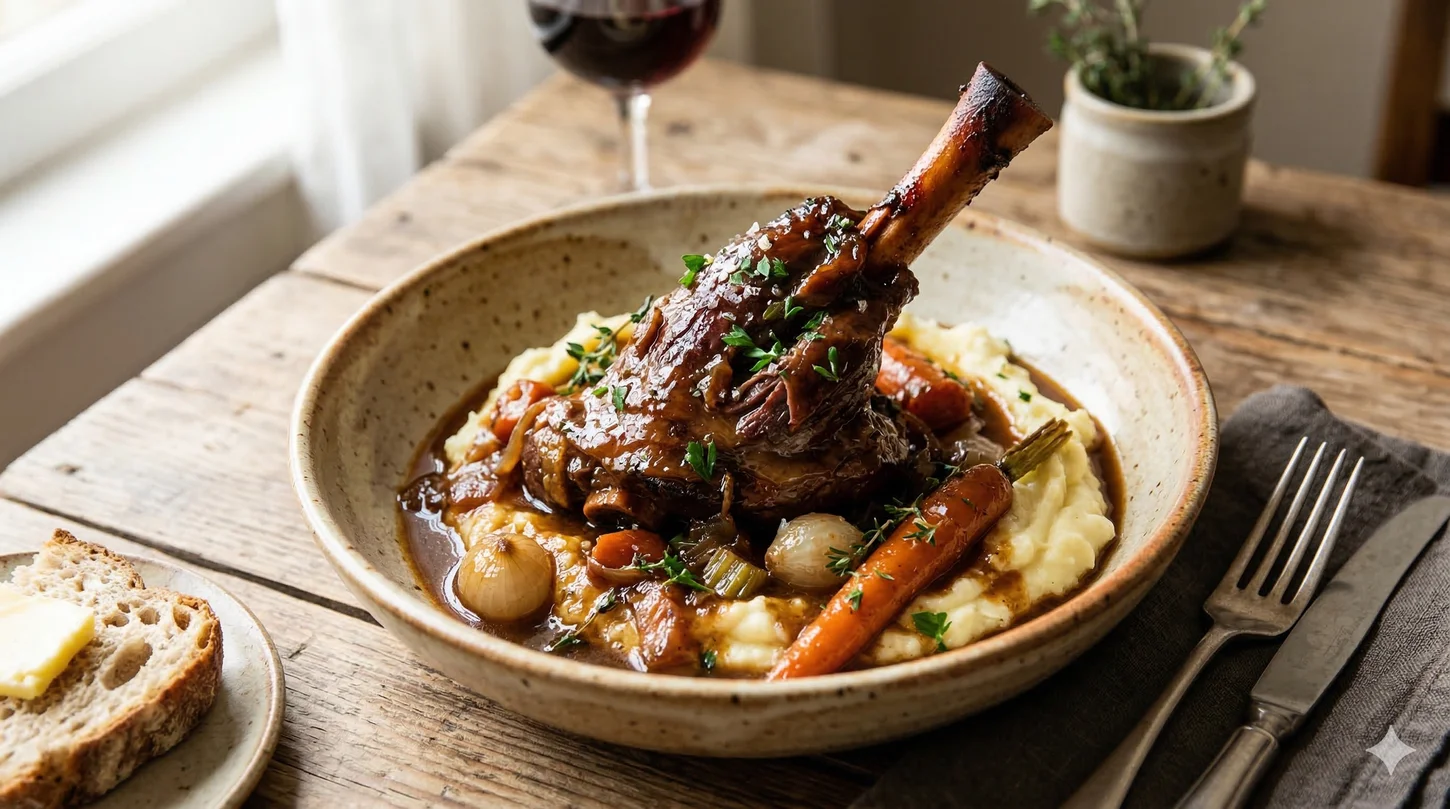
Lamb shanks have a way of turning an ordinary dinner into something unforgettable. When cooked properly, they become fall-off-the-bone tender, rich with flavour, and absolutely worth the wait. But here’s the catch: they need time. Rush them, and you’ll end up with tough, chewy meat. Cook them low and slow, though, and you’ll understand why lamb shanks are a favourite among home cooks and chefs alike.
Whether you’re braising in the oven, using a slow cooker, or experimenting with sous vide, lamb shanks are surprisingly versatile. The key is knowing how long each method takes and why certain techniques work better than others. This guide breaks down everything you need to know about cooking lamb shanks perfectly, every single time.
What Are Lamb Shanks?
Lamb shanks are one of those cuts that don’t look like much at first glance, but transform into something spectacular with the right treatment. Understanding what you’re working with helps you cook them better.
Where Lamb Shanks Come From on the Animal
Lamb shanks come from the lower portion of the lamb’s leg—both front (foreshank) and back (hindshank). These muscles work hard during the animal’s life, which gives the meat intense flavour but also makes it naturally tough. The bone runs right through the centre, surrounded by meat, connective tissue, and collagen.
Why Lamb Shanks Require Slow Cooking
Because lamb shanks come from a hard-working part of the animal, they’re loaded with collagen and connective tissue. Quick, high-heat cooking methods leave these tissues tough and chewy. Slow cooking, on the other hand, gives the collagen time to break down, transforming the meat from tough to tender.
Why Long Cooking Breaks Down Tough Connective Tissue
Collagen starts breaking down at around 70°C and converts into gelatin when held at low temperatures over extended periods. This process takes time—usually at least 2 hours, sometimes much longer. As the collagen melts, it lubricates the muscle fibres, making the meat silky, tender, and moist.
Why Lamb Shanks Are Perfect for Braising
Braising combines moist heat with long cooking times, creating the perfect environment for breaking down tough cuts. The liquid keeps the meat from drying out while the low, steady heat dissolves connective tissue. Plus, the cooking liquid absorbs all those rich flavours, turning into an incredible sauce or gravy.
How Long to Cook Lamb Shanks (Quick Cooking Time Guide)
If you’re in a hurry for answers, here’s the quick reference. Keep in mind these are guidelines—actual cooking times vary based on size, temperature, and your equipment.
Lamb Shank Cooking Times by Method
| Cooking Method | Temperature/Setting | Cooking Time |
| Oven Braising | 160°C | 2.5–3 hours |
| Slow Cooker (Low) | Low setting | 6–10 hours |
| Slow Cooker (High) | High setting | 4–6 hours |
| Pressure Cooker/Instant Pot | High pressure | 35–50 minutes |
| Stovetop Braising | Gentle simmer | 2–3 hours |
| Sous Vide | 72–76°C | 24–36 hours |
| BBQ/Grill (after braising) | Medium heat | 10–15 minutes |
| Air Fryer (after braising) | 180°C | 8–12 minutes |
Ideal Internal Temperature for Tender Lamb Shanks
While most meat has a specific target temperature, lamb shanks are different. You’re not cooking to a precise number—you’re cooking until the meat is tender. That said, the internal temperature should reach at least 90–95°C for the collagen to fully break down. The meat should be pulling away from the bone easily.
Factors That Affect Cooking Time (Size, Bone, Temperature)
Not all lamb shanks cook at the same rate. Here’s what affects timing:
- Size and weight – Larger shanks take longer. A 300g shank cooks faster than a 500g one.
- Starting temperature – Room temperature shanks cook faster than cold ones straight from the fridge.
- Bone size – A thicker bone means more mass to heat through.
- Liquid level – More liquid can slow down cooking slightly.
- Altitude – Higher elevations mean lower boiling points and longer cooking times.
Why Searing Lamb Shanks First Makes a Big Difference
Searing isn’t just for looks. It fundamentally changes the flavour of your finished dish.
What the Maillard Reaction Does for Flavour
When you sear lamb shanks over high heat, you trigger the Maillard reaction—a chemical process that creates hundreds of new flavour compounds. This browning adds depth, complexity, and a savoury richness that you simply can’t get from boiling or steaming alone.
How to Properly Sear Lamb Shanks Before Cooking
Pat the shanks completely dry with paper towels—moisture prevents browning. Season generously with salt and pepper. Heat your pan until it’s very hot, add oil, then place the shanks in without crowding. Let them sit undisturbed for 3–4 minutes per side until deep golden brown. Don’t rush this step.
Best Oils and Pans for Searing
Use oils with high smoke points: vegetable oil, grapeseed oil, or light olive oil. Avoid butter or extra virgin olive oil, which burn at high temperatures. A heavy-based pan like cast iron or stainless steel works best—they retain heat better than thin pans.
When Searing Is Most Important (Braising, Slow Cooking, Pressure Cooking)
Searing matters most for braising, slow cooking, and pressure cooking because these methods don’t provide any high-heat browning on their own. For sous vide, you’ll sear after cooking. For grilling or air frying, you might skip the initial sear since you’ll get browning at the end.
How Long to Cook Lamb Shanks in the Oven
Oven braising is the classic method—and for good reason. It delivers consistent, even heat and produces reliably tender results.
Ideal Oven Temperature for Braising Lamb Shanks
The sweet spot is 160°C. This temperature is hot enough to keep the liquid gently simmering but low enough to prevent the meat from toughening. Some recipes go as low as 150°C or as high as 170°C, but 160°C hits the perfect balance.
Typical Oven Cooking Time (2.5–3 Hours)
Plan for 2.5 to 3 hours at 160°C. Smaller shanks might be done in 2 hours, while larger ones could need closer to 3.5 hours. You’ll know they’re ready when the meat pulls away from the bone with minimal resistance.
Step-by-Step Oven Braising Method
- Preheat your oven to 160°C
- Season and sear the lamb shanks in a heavy oven-safe pot
- Remove the shanks and sauté aromatics (onion, garlic, carrots, celery)
- Deglaze with wine, then add stock or broth
- Return the shanks to the pot, ensuring they’re mostly submerged
- Cover tightly with a lid or foil
- Braise for 2.5–3 hours, turning occasionally
- Check for tenderness—the meat should be falling off the bone
Whether to Sear Lamb Shanks Before Oven Cooking
Yes, absolutely. Searing creates a flavour foundation that carries through the entire dish. It also helps render some of the surface fat and gives the final dish better colour.
How to Achieve Fall-Off-the-Bone Tenderness
The secret is time and temperature. Keep the heat low and steady, make sure there’s enough liquid to create steam, and don’t rush it. If the shanks aren’t tender after 2.5 hours, give them another 30–60 minutes. Undercooking is the most common mistake.
How Long to Cook Lamb Shanks in a Slow Cooker
Slow cookers are perfect for lamb shanks—they’re literally designed for this kind of cooking. Set it up in the morning and come home to dinner ready.
Cooking Lamb Shanks on Low (6–10 Hours)
On the low setting, lamb shanks take 6–10 hours. The longer time allows for maximum collagen breakdown and deeper flavour development. This is the best setting if you’re out all day.
Cooking Lamb Shanks on High (4–6 Hours)
The high setting gets you there faster—usually 4–6 hours. The results are nearly identical to low; you’re just speeding up the process. Use this when you’re starting later in the day.
Why Searing Before Slow Cooking Improves Flavour
Slow cookers can’t brown meat—they don’t get hot enough. Searing the shanks first in a pan adds that crucial caramelised flavour that makes the difference between good and great. Yes, it’s an extra step, but it’s worth it.
Best Liquids and Aromatics for Slow Cooker Lamb Shanks
Red wine, beef or lamb stock, and tomatoes are classics. Add aromatics like onions, garlic, carrots, celery, and fresh herbs (rosemary, thyme, bay leaves). The slow cooker concentrates flavours, so don’t overdo it with salt at the start—you can adjust at the end.
When to Add Vegetables
Add hardy vegetables like carrots, potatoes, and parsnips at the beginning. They can handle the long cooking time. Delicate vegetables like peas or green beans should go in during the last 30 minutes, or serve them on the side.
How Long to Cook Lamb Shanks in a Pressure Cooker or Instant Pot
Pressure cooking is the modern shortcut to tender lamb shanks. It’s not traditional, but it works surprisingly well when you’re short on time.
Pressure Cooker Cooking Time (35–50 Minutes)
Cook lamb shanks at high pressure for 35–50 minutes depending on size. Smaller shanks (300–400g) need about 35–40 minutes, while larger ones (500g+) need closer to 50 minutes. Add another 15–20 minutes for natural pressure release.
Should You Sear Lamb Shanks First in a Pressure Cooker?
Yes, if your pressure cooker has a sauté function (like the Instant Pot), use it. Brown the shanks directly in the pot before pressure cooking. It saves washing an extra pan and adds essential flavour.
Natural Release vs Quick Release
Always use natural release for lamb shanks. Let the pressure come down on its own for at least 15–20 minutes before manually releasing any remaining pressure. Quick release can make the meat seize up and become tougher.
Tips for Maximising Flavour in Pressure Cooking
Because pressure cooking is fast, flavours don’t have as much time to develop. Compensate by using rich stock, adding a splash of soy sauce or Worcestershire sauce for umami, and finishing the sauce on the sauté function to concentrate it after cooking.
How Long to Cook Lamb Shanks on the Stovetop
Stovetop braising is the original method—no oven required. It gives you complete control over the heat.
Traditional Braising Method Explained
Stovetop braising works just like oven braising, but on the burner. You sear the meat, build your braising liquid, then cover and simmer gently until tender. The key is maintaining a very gentle simmer—just a few bubbles breaking the surface.
Cooking Time for Stovetop Braising (2–3 Hours)
Expect 2–3 hours of gentle simmering. Check the pot occasionally to make sure the heat isn’t too high. The liquid should never be at a rolling boil—just a lazy bubble.
How to Sear Lamb Shanks Before Braising
Use the same heavy pot you’ll braise in. Get it nice and hot, add oil, then sear the shanks on all sides until deeply browned. Remove them, build your aromatics and liquid in the same pot, then return the shanks to finish cooking.
Maintaining a Gentle Simmer for Best Results
This is the tricky part of stovetop braising. The heat needs to be low enough to keep the liquid at a gentle simmer—too high and the meat toughens, too low and it takes forever. Use the smallest burner and keep the lid slightly askew to prevent pressure buildup.
How Long to Cook Lamb Shanks Using Sous Vide
Sous vide delivers restaurant-quality results with minimal effort. It’s a game-changer for tough cuts like lamb shanks.
What Makes Sous Vide Ideal for Tough Cuts
Sous vide holds a precise temperature for extended periods, which is exactly what tough cuts need. There’s no risk of overcooking, and the sealed environment keeps all the juices and flavour locked in.
Recommended Sous Vide Temperature and Time (24–36 Hours)
Set your sous vide to 72–76°C and cook for 24–36 hours. At 72°C for 36 hours, you get incredibly tender meat. At 76°C for 24 hours, the cooking is faster but still delivers excellent results. The texture is slightly different from traditional braising—more steak-like and less “fall-apart.”
How to Season and Seal Lamb Shanks for Sous Vide Cooking
Season the shanks with salt, pepper, and aromatics like garlic, rosemary, or thyme. Place them in a vacuum-seal bag or heavy-duty zip-lock bag. Remove as much air as possible using the water displacement method. You can add a small amount of liquid (wine, stock) but it’s not necessary.
Searing Lamb Shanks After Sous Vide for a Crispy Finish
After sous vide, the shanks will be pale and soft. Pat them completely dry, then sear them hard in a screaming hot pan with oil, or use a blowtorch for a quick char. This step adds texture and visual appeal.
Pros and Cons of Cooking Lamb Shanks Sous Vide
Pros: Precise control, impossible to overcook, hands-off cooking, consistent results
Cons: Requires special equipment, very long cooking time, no traditional braising sauce (you’ll need to make one separately), texture is different from classic braising
How Long to Cook Lamb Shanks on the BBQ or Grill
Lamb shanks on the grill might sound unusual, but the smoky char adds an incredible dimension of flavour.
Why Lamb Shanks Are Often Braised Before Grilling
You can’t cook raw lamb shanks directly on a grill—they’d burn on the outside before becoming tender inside. Instead, braise them first using any method (oven, slow cooker, pressure cooker), then finish on the grill for flavour and texture.
BBQ Cooking Time After Braising
Once the shanks are tender from braising, they only need 10–15 minutes on the BBQ. You’re just adding char and smoke, not cooking them through.
How to Finish Lamb Shanks on the Grill for Smoky Flavour
Set up your BBQ for medium-high direct heat. Brush the braised shanks with some of their cooking liquid or a glaze (balsamic, honey, mustard). Grill for 5–7 minutes per side, turning to get char marks all around. Watch carefully—they can burn quickly.
Searing Lamb Shanks Directly Over High Heat
If you’re making kebabs or cutting the meat off the bone, you can sear small pieces directly over high heat. Marinate first, then grill for 3–4 minutes per side. This works for appetizers but isn’t the traditional way to serve whole shanks.
How Long to Cook Lamb Shanks in an Air Fryer
Air fryers are trendy, but can they handle lamb shanks? Sort of—with limitations.
Can Lamb Shanks Be Cooked in an Air Fryer?
You can’t cook raw lamb shanks properly in an air fryer. They’re too large, too tough, and require moist heat to become tender. However, you can use an air fryer to finish pre-cooked (braised) shanks.
Air Fryer Cooking Time After Braising
After braising, place the shanks in the air fryer at 180–200°C for 8–12 minutes. This crisps up the outside while keeping the inside tender.
How to Use the Air Fryer to Crisp the Outside
Pat the braised shanks dry, brush lightly with oil or glaze, then air fry in a single layer. Turn halfway through for even crisping. Think of it like a faster, more convenient version of finishing them under the grill.
How to Tell When Lamb Shanks Are Fully Cooked
Knowing when lamb shanks are done is part science, part experience.
Signs the Meat Is Tender and Ready
The meat should pull away from the bone with minimal resistance. If you insert a fork and twist gently, the meat should practically fall apart. The bone may even slide out easily.
Ideal Internal Temperature for Lamb Shanks
While lamb shanks don’t have a precise “done” temperature like a steak, the internal temperature should reach at least 90–95°C. At this point, the collagen has broken down and the meat is tender.
How the Meat Should Look and Pull from the Bone
The meat should look moist and glistening, not dry or stringy. When you lift the shank with tongs, the meat should sag and threaten to slide off the bone. If it’s still firm and holding its shape tightly, it needs more time.
Tips for Cooking Perfect Lamb Shanks Every Time
These principles apply no matter which cooking method you choose.
Why Low and Slow Cooking Works Best
Low temperatures give collagen time to break down without toughening the muscle fibres. High heat causes proteins to contract and squeeze out moisture, making the meat dry and chewy. Patience is the secret ingredient.
Choosing the Right Cooking Liquid
Red wine, stock, tomatoes, or a combination work beautifully. The liquid should complement the lamb without overpowering it. Avoid using too much water, which dilutes flavour. The liquid should come about halfway to two-thirds up the shanks.
Best Herbs and Seasonings for Lamb
Rosemary, thyme, oregano, and bay leaves are classics with lamb. Garlic, onion, carrots, and celery form the aromatic base. Warm spices like cinnamon, cumin, and coriander add Middle Eastern flair. Don’t forget salt and pepper.
Resting Lamb Shanks Before Serving
Let the shanks rest for 5–10 minutes after cooking. This allows the meat to reabsorb some of the juices and makes them easier to handle. Use this time to skim fat from the sauce and reduce it if needed.
Common Mistakes When Cooking Lamb Shanks
Even experienced cooks make these errors. Here’s how to avoid them.
Not Cooking Them Long Enough
This is the number one mistake. Lamb shanks might look done after an hour, but they’re not. They need at least 2 hours (often more) to reach that fall-off-the-bone tenderness. Trust the process.
Skipping the Searing Step
Skipping the sear means missing out on an entire layer of flavour. Yes, it’s an extra step, but it makes a noticeable difference in the final dish. Don’t skip it.
Cooking at Too High a Temperature
High heat toughens the meat before the collagen can break down. Keep the temperature low and steady. If your liquid is boiling vigorously, your heat is too high.
Not Using Enough Liquid for Braising
The liquid creates the moist environment needed for braising. If there’s not enough, the exposed meat dries out. Keep the shanks at least halfway submerged, adding more liquid if it evaporates too much.
Best Side Dishes to Serve with Lamb Shanks
Lamb shanks are rich and hearty, so choose sides that complement or balance that intensity.
Classic Comfort Food Pairings
Creamy mashed potatoes, soft polenta, buttery risotto, or crusty bread for soaking up the sauce. These starchy sides are perfect for catching every drop of that rich braising liquid.
Vegetable Side Dishes That Balance Rich Lamb
Roasted root vegetables (carrots, parsnips, turnips), sautéed greens (spinach, kale, silverbeet), or a fresh salad with lemon vinaigrette cut through the richness. Brussels sprouts with bacon or honey-roasted pumpkin also work beautifully.
Sauces and Gravies That Complement Braised Lamb
The braising liquid itself often becomes the sauce—just reduce it until slightly thickened. Add a splash of balsamic vinegar, a spoonful of redcurrant jelly, or fresh herbs at the end. Mint sauce or gremolata (lemon, garlic, parsley) add brightness.
Choosing Quality Lamb Shanks for Cooking
The quality of your lamb shanks matters just as much as how you cook them.
What to Look for When Buying Lamb Shanks
Look for shanks with good meat coverage around the bone, not spindly or too small. The meat should be deep red (not grey or brown) with white fat (not yellow). Fresh lamb should smell clean and slightly sweet, never sour or ammonia-like.
Grass-Fed vs Grain-Fed Lamb
Grass-fed lamb has a more pronounced, gamey flavour and tends to be leaner. Grain-fed lamb is milder and usually has more marbling. Both work well for braising, but grass-fed is generally considered more flavourful and is the standard for Australian lamb.
Why Butcher-Quality Lamb Shanks Cook Better
Quality matters. Properly aged, well-handled lamb shanks from a reputable butcher will cook more evenly and taste better than mass-produced supermarket versions. The difference is especially noticeable in slow-cooked dishes where flavour has time to develop.
Final Thoughts: Choosing the Best Way to Cook Lamb Shanks
With so many methods available, which one should you choose? It depends on what you’re after.
Best Method for Rich Flavour
Oven braising wins for flavour. The combination of searing, long cooking, and sauce development creates the most complex, layered taste. It’s traditional for a reason.
Best Method for Convenience
Slow cooker is king for ease. Throw everything in, turn it on, and walk away. It’s almost impossible to mess up, and you come home to dinner ready.
Best Method for Fast Cooking
Pressure cooker gets you tender lamb shanks in under an hour of active cooking. It’s not quite as flavourful as traditional braising, but when you’re pressed for time, it delivers.
Best Method for Restaurant-Quality Results
Sous vide followed by searing gives you precise, consistent, restaurant-level results. The texture is unique and the meat is incredibly tender. It requires planning and equipment, but the results speak for themselves.
Get Restaurant-Quality Lamb Shanks Delivered to Your Door in Brisbane
Cooking lamb shanks properly starts with quality meat. At A Place 2 Meat, we deliver premium, hand-cut lamb shanks right to your door across Brisbane. Our lamb is halal-certified, hormone-free, and selected for optimal marbling and flavour.
Whether you’re planning a slow Sunday braise or a weeknight pressure cooker meal, our lamb shanks are cut fresh and ready to transform into something spectacular. We understand that great cooking starts with great ingredients—that’s why we source only the best.
Don’t settle for supermarket lamb when you can get butcher-quality delivered. Order your lamb shanks online today and taste the difference that proper quality makes. Your next fall-off-the-bone lamb shank dinner is just a few clicks away.