
About Us
Our meat is always fresh, hand-cut, delicious and prepared with care. We pride ourselves on the quality of meat we sell to our customers because we value you!
Contact Info
- 110/400 Newmarket Road, Newmarket QLD 4051
- +0738564216
- 110/400 Newmarket Road, Newmarket QLD 4051
- +0738564216
How Long to Cook Chicken Drumsticks: A Guide for Every Method
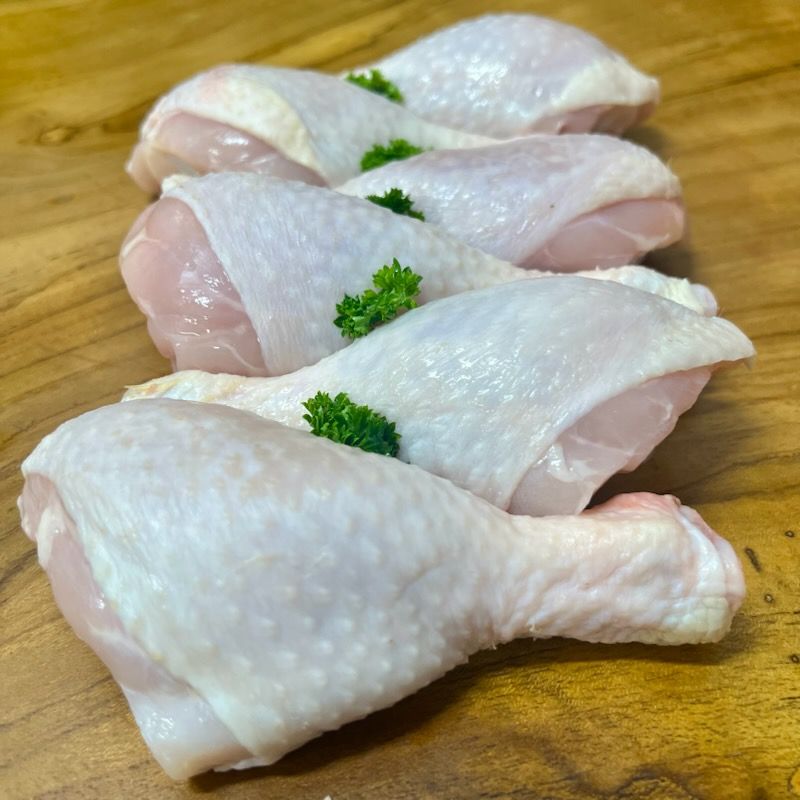
Chicken drumsticks are a family favourite for good reason. They’re affordable, packed with flavour, and forgiving enough for weeknight dinners or weekend BBQs. But here’s the thing—cooking them perfectly means knowing exactly how long they need, whether you’re roasting, grilling, air frying, or slow cooking.
At A Place 2 Meat, we know that great meals start with quality ingredients. Our free-range chicken drumsticks are halal-certified, hormone-free, and hand-cut right here in Brisbane. But even the best drumsticks need proper cooking to reach their full potential.
This guide will walk you through everything you need to know about cooking chicken drumsticks—from oven-baking to sous vide—so you can nail it every single time.
How Long to Cook Chicken Drumsticks
Getting the timing right is the difference between juicy, flavourful chicken and something dry or undercooked. The good news? Drumsticks are pretty forgiving once you understand the basics.
How Long Does It Take to Cook Chicken Drumsticks?
On average, chicken drumsticks take anywhere from 20 to 45 minutes to cook, depending on the method you choose. Faster methods like air frying or pan-frying sit on the shorter end, while slow cooking or oven roasting takes longer but rewards you with tender, fall-off-the-bone results.
The key is reaching an internal temperature of 75°C (165°F) at the thickest part of the meat. That’s your golden rule, no matter which method you use.
Factors That Affect Chicken Drumstick Cooking Time
Not all drumsticks cook the same way. A few key factors can speed things up or slow them down.
Size and Thickness of Chicken Drumsticks
Larger drumsticks naturally need more time. A plump, well-fed free-range drumstick might take a few extra minutes compared to a smaller one. If you’re cooking a batch with varied sizes, keep an eye on the smaller ones—they’ll finish first.
Cooking Method
The method you choose makes a huge difference. High-heat methods like grilling or air frying cook faster but require more attention. Low-and-slow methods like braising or slow cooking take longer but are more hands-off and forgiving.
Bone-In and Skin-On Chicken Drumsticks
Drumsticks are almost always bone-in and skin-on, which is part of what makes them so flavourful. The bone conducts heat, which means the meat cooks from the inside out. The skin protects the meat and, when cooked properly, adds that irresistible crispy texture everyone loves.
What Is the Safe Internal Temperature for Chicken Drumsticks?
Food safety isn’t negotiable. Chicken drumsticks must reach an internal temperature of 75°C (165°F) to be safe to eat. Use a meat thermometer inserted into the thickest part of the drumstick, avoiding the bone, to check.
If you’re aiming for extra-tender meat with a bit more “pull,” you can cook drumsticks to 80–85°C (176–185°F). At this temperature, the collagen breaks down further, making the meat even more succulent—perfect for braised or slow-cooked recipes.
How Long to Cook Chicken Drumsticks in the Oven
The oven is a reliable workhorse for cooking drumsticks. It gives you crispy skin and evenly cooked meat without much fuss.
Oven-Baked Chicken Drumsticks (Moderate Heat)
Temperature: 180–200°C (350–400°F)
Time: 35–45 minutes
Preheat your oven, arrange the drumsticks on a lined baking tray with a bit of space between them, and season generously. Flip them halfway through for even browning. This method is perfect for weeknight dinners when you want something simple but satisfying.
Crispy Oven-Roasted Chicken Drumsticks (High Heat)
Temperature: 220–230°C (425–450°F)
Time: 30–35 minutes
For seriously crispy skin, crank up the heat. Pat the drumsticks dry, season them well, and roast on a wire rack over a baking tray to let the air circulate. The high heat renders the fat quickly and gives you that golden, crackling skin.
A light coating of baking powder (not baking soda!) mixed with salt helps draw out moisture and makes the skin extra crispy.
How Long to Cook Chicken Drumsticks in an Air Fryer
The air fryer has become a game-changer for quick, crispy chicken. It’s basically a miniature convection oven that circulates hot air around the food.
Air Fryer Chicken Drumstick Cooking Time
Temperature: 200°C (400°F)
Time: 20–25 minutes
Place the drumsticks in a single layer in the air fryer basket. Flip them halfway through to ensure even crisping. If your air fryer is smaller, cook in batches rather than overcrowding.
Tips for Crispy Air Fryer Chicken Drumsticks
- Pat the drumsticks dry with paper towel before seasoning
- Lightly spray or brush with oil to help the skin crisp up
- Don’t skip flipping—it makes all the difference
- Let them rest for 5 minutes after cooking to lock in the juices
How Long to Cook Chicken Drumsticks on the BBQ
There’s something about BBQ chicken that just hits differently. The smoky char, the caramelised edges—it’s hard to beat.
BBQ Chicken Drumsticks Over Medium Heat
Temperature: Medium heat (around 180–200°C)
Time: 25–35 minutes
Set up your BBQ for indirect heat by placing the drumsticks away from the direct flame. Close the lid and let them cook, turning every 8–10 minutes. This prevents flare-ups and ensures the inside cooks through without burning the outside.
When to Add BBQ Sauce
Add your BBQ sauce in the last 5–10 minutes of cooking. Any earlier and the sugar in the sauce will burn, leaving a bitter taste instead of that sticky, sweet glaze you’re after.
How Long to Cook Chicken Drumsticks on the Grill
Grilling is similar to BBQ but often involves more direct heat and a quicker cook. It’s great for summer nights when you want something fast and flavourful.
Grilling Chicken Drumsticks Using Direct and Indirect Heat
Start with indirect heat to cook the drumsticks through, then finish with a few minutes over direct heat to char and crisp the skin. This two-zone method gives you the best of both worlds.
Grilled Chicken Drumstick Cooking Time
Temperature: Medium-high heat
Time: 20–30 minutes
Keep the lid closed as much as possible to maintain consistent heat. Turn the drumsticks every 5–7 minutes to avoid burning. If you’re using a marinade, reserve some for basting during the last few minutes.
How Long to Cook Chicken Drumsticks on the Stove
The stovetop is perfect when you don’t want to heat up the whole kitchen or fire up the BBQ.
Pan-Frying Chicken Drumsticks on the Stove
Heat: Medium to medium-high
Time: 25–30 minutes
Heat a bit of oil in a heavy-based pan or cast iron skillet. Brown the drumsticks on all sides, then reduce the heat and cover with a lid. Let them cook through, turning occasionally. The lid traps steam, which helps cook the inside while the outside stays golden and crispy.
For extra flavour, add garlic, rosemary, or lemon zest to the pan during the last few minutes.
How Long to Boil Chicken Drumsticks
Boiling isn’t the most glamorous method, but it’s useful if you’re making chicken soup, shredding meat for tacos, or want a lighter option without added fat.
Boiled Chicken Drumstick Cooking Time
Heat: Gentle simmer
Time: 25–30 minutes
Bring a pot of water to a boil, add the drumsticks, then reduce to a gentle simmer. Skim off any foam that rises to the surface. Once cooked, you can finish them under the grill or in a hot pan for a bit of colour and texture.
How Long to Cook Chicken Drumsticks in a Slow Cooker
The slow cooker is ideal when you want to set it and forget it. It’s also brilliant for infusing drumsticks with deep, rich flavours.
Slow Cooker Chicken Drumstick Cooking Time
Low setting: 6–7 hours
High setting: 3–4 hours
Add your drumsticks along with aromatics like onion, garlic, ginger, or spices. A bit of liquid—stock, wine, or even a tin of tomatoes—keeps everything moist. The meat will be incredibly tender and practically fall off the bone.
If you want crispy skin, transfer the drumsticks to a hot oven or grill for the last 5–10 minutes.
How Long to Cook Chicken Drumsticks in a Pressure Cooker
Pressure cookers like the Instant Pot are perfect when you need dinner fast but still want tender, juicy chicken.
Pressure Cooker (Instant Pot) Chicken Drumstick Cooking Time
Pressure cooking time: 10–12 minutes on high pressure
Natural release: 5 minutes
Add at least 1 cup of liquid (stock, water, or sauce) to the pot along with your drumsticks. After the cooking time, let the pressure release naturally for 5 minutes, then quick-release the rest. If you want crispy skin, finish them in the oven or air fryer.
How Long to Cook Chicken Drumsticks Using Sous Vide
Sous vide is a precise, restaurant-quality method that guarantees perfectly cooked chicken every time. It’s a bit nerdy, but the results are worth it.
Sous Vide Chicken Drumstick Time and Temperature
Temperature: 75–80°C (167–176°F)
Time: 1.5–3 hours
Seal the drumsticks in a vacuum bag or zip-lock bag with seasonings and a bit of oil. Cook them in the water bath, then finish with a quick sear in a hot pan or under the grill to crisp up the skin. The meat will be incredibly tender and juicy.
How Long to Cook Chicken Drumsticks in the Microwave
The microwave isn’t ideal for chicken drumsticks, but it works in a pinch when you’re really pressed for time.
Microwave Chicken Drumstick Cooking Time
Power: Medium-high (70–80%)
Time: 10–15 minutes
Place the drumsticks in a microwave-safe dish, cover loosely, and cook in 5-minute intervals, turning them each time. Check the internal temperature to make sure they’ve reached 75°C. For better texture, finish them in a hot pan or under the grill for a few minutes.
Chicken Drumstick Cooking Time Chart
Here’s a quick reference guide to help you choose the best method:
| Cooking Method | Temperature | Cooking Time |
| Oven (Moderate Heat) | 180–200°C | 35–45 minutes |
| Oven (High Heat) | 220–230°C | 30–35 minutes |
| Air Fryer | 200°C | 20–25 minutes |
| BBQ (Indirect Heat) | 180–200°C | 25–35 minutes |
| Grill (Medium-High) | Medium-High | 20–30 minutes |
| Stovetop (Pan-Frying) | Medium-High | 25–30 minutes |
| Boiling | Simmer | 25–30 minutes |
| Slow Cooker (Low) | Low | 6–7 hours |
| Slow Cooker (High) | High | 3–4 hours |
| Pressure Cooker | High Pressure | 10–12 minutes |
| Sous Vide | 75–80°C | 1.5–3 hours |
| Microwave | Medium-High | 10–15 minutes |
Tips for Cooking Chicken Drumsticks Perfectly Every Time
Even with the right timing, a few extra tricks can take your drumsticks from good to outstanding.
How to Get Crispy Chicken Drumstick Skin
- Pat them dry: Moisture is the enemy of crispy skin. Use paper towels to remove excess moisture before seasoning.
- Use baking powder: A light dusting of baking powder mixed with salt helps draw out moisture and promotes browning.
- Don’t overcrowd: Whether you’re roasting, frying, or air frying, give the drumsticks space so the air can circulate.
- Finish with high heat: If you’ve slow-cooked or boiled your drumsticks, a quick blast under the grill or in a hot oven will crisp up the skin beautifully.
How to Avoid Undercooked or Dry Drumsticks
- Use a meat thermometer: It’s the only surefire way to know your chicken is cooked through without cutting into it.
- Don’t rush: Low and slow is often better than high and fast, especially for bone-in cuts.
- Marinate or brine: A simple brine (salt and water) or marinade adds moisture and flavour, making the meat more forgiving if you slightly overcook it.
Resting Chicken Drumsticks After Cooking
Let your drumsticks rest for 5 minutes after cooking. This allows the juices to redistribute throughout the meat, making every bite more tender and flavourful. It’s a small step that makes a big difference.
How to Store and Reheat Cooked Chicken Drumsticks
Cooked drumsticks will keep in the fridge for 3–4 days in an airtight container. To reheat, use the oven at 180°C for 10–15 minutes or the air fryer at 180°C for 5–8 minutes. Avoid the microwave if you want to keep the skin crispy.
If you’re freezing them, wrap each drumstick individually in foil or plastic wrap, then place in a freezer bag. They’ll keep for up to 3 months. Thaw in the fridge overnight before reheating.
Why Quality Matters: Get Your Drumsticks from A Place 2 Meat
Let’s be honest—cooking technique is important, but it all starts with quality ingredients. Our free-range chicken drumsticks are sourced with care, hand-cut on-site, and never pumped with hormones or nasties. They’re halal-certified and come from chickens that were raised the right way.
Whether you’re planning a weeknight stir-fry, a weekend BBQ, or a slow-cooked family feast, you’ll notice the difference in flavour and texture.
Want to explore other cuts? We’ve got guides on how long to cook chicken thighs, techniques for juicy and tender chicken breasts, and how long to cook chicken wings. Each cut has its quirks, and we’ve got you covered.
Ready to cook up something delicious? Order your free-range chicken drumsticks from A Place 2 Meat today and bring home the best Brisbane has to offer. Whether you’re roasting, grilling, or slow cooking, you’ll taste the difference quality makes—and your family will thank you for it.