
About Us
Our meat is always fresh, hand-cut, delicious and prepared with care. We pride ourselves on the quality of meat we sell to our customers because we value you!
Contact Info
- 110/400 Newmarket Road, Newmarket QLD 4051
- +0738564216
- 110/400 Newmarket Road, Newmarket QLD 4051
- +0738564216
How to Make Chicken Paella
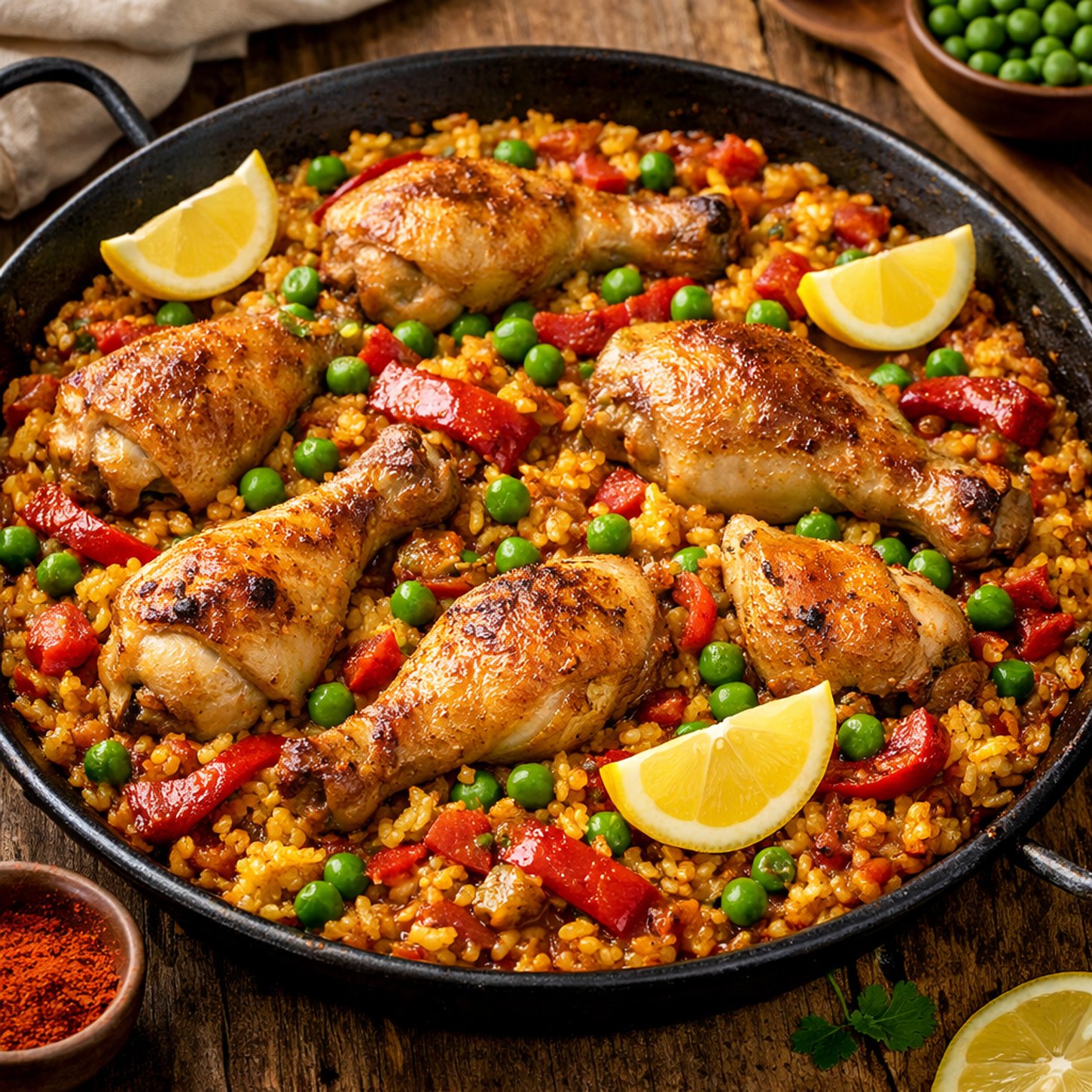
There’s something undeniably satisfying about a pan of golden paella sitting in the centre of your table—steam rising, saffron-scented rice glowing, and that crispy bottom layer just waiting to be discovered. While paella might seem like restaurant territory, it’s actually a brilliant home-cooking project that rewards a bit of patience with layers of flavour and texture.
At A Place 2 Meat, we’ve seen plenty of Brisbane home cooks fall in love with paella once they realise how forgiving and flexible it can be. Whether you’re cooking for a Sunday family gathering or just want to impress yourself on a Tuesday night, chicken paella is your gateway into this iconic Spanish dish. And when you start with quality chicken—like our halal-certified, free-range options—you’re already halfway to something special.
Let’s walk through everything you need to know to make chicken paella that’s golden, flavourful, and worth every grain of rice.
What Is Chicken Paella?
Paella is more than just a rice dish—it’s a one-pan feast that brings together protein, vegetables, and perfectly cooked rice with a signature crispy bottom layer called socarrat. Chicken paella swaps the traditional mix of meats or seafood for chicken, making it more accessible and budget-friendly while keeping all the soul of the original.
The beauty of paella lies in its simplicity. You’re not layering flavours across multiple pots or fussing with complicated techniques. Everything goes into one pan, builds together, and finishes in a way that feels effortless but tastes like you’ve been cooking all day.
The Spanish Origins of Paella
Paella was born in Valencia’s Albufera region, on Spain’s eastern coast, where it started as a humble farmers’ meal cooked over open flames in the fields. The original Valencian paella featured rabbit, chicken, snails, garrofó beans, white beans, and green beans—ingredients that were local and practical, seasoned with saffron, tomato, rosemary, and olive oil. The wide, shallow pan (also called a paella) allowed the rice to cook evenly and develop that prized crispy crust.
Over time, paella spread across Spain and beyond, adapting to whatever ingredients were available. Coastal regions swapped in seafood, while inland cooks experimented with different combinations of meat and vegetables. What stayed constant was the method: toasted rice, rich broth, and communal eating straight from the pan.
How Chicken Paella Differs from Other Paella Types
Traditional Valencian paella combines rabbit and chicken with beans and snails. Seafood paella leans on prawns, mussels, and squid. Mixed paella throws everything together—chicken, chorizo, seafood, the works.
Chicken paella simplifies things by focusing primarily on chicken as the protein. It’s more straightforward than mixed paella, more approachable than the traditional rabbit-and-chicken combination, and just as satisfying. The chicken soaks up the saffron and paprika, adding richness without overpowering the dish. It’s also easier on the wallet, which means you can make it regularly without thinking twice.
Ingredients for Chicken Paella
Getting your ingredients right sets you up for success. Paella isn’t fussy, but a few smart choices make all the difference.
Standard Recipe Proportions (Serves 4-6):
- 400g bomba or Calasparra rice
- 1L (4 cups) chicken stock
- 1kg chicken (bone-in pieces)
- 2 tablespoons olive oil
- 1 onion, diced
- 1 red capsicum, sliced
- 3-4 garlic cloves, minced
- 2 tomatoes, grated (or 200g tinned crushed tomatoes)
- 1 teaspoon smoked paprika
- Generous pinch of saffron (about 0.5g)
- 150g frozen peas
- Salt and pepper to taste
- Lemon wedges to serve
Choosing the Best Chicken Cuts
You want chicken with a bit of fat and flavour that won’t dry out during cooking. Bone-in pieces work brilliantly because they add depth to the broth as everything simmers together.
Chicken thighs are ideal—they stay moist, develop rich flavour, and handle the heat without turning rubbery. Drumsticks are another excellent choice, especially if you’re feeding a crowd. For a leaner option, chicken breast can work, but you’ll need to watch it carefully and remove it once it reaches about 74°C internal temperature to avoid drying out.
If you’re buying a whole chicken, cut it into 8–10 pieces. You’ll get a mix of light and dark meat that keeps things interesting. Our free-range chicken at A Place 2 Meat is hand-cut fresh on-site, full of flavour, and raised to Australian free-range standards—exactly what you want for a dish like this.
Essential Paella Ingredients
Here’s what you’ll need to make a proper chicken paella:
- Bomba or Calasparra rice – Short-grain Spanish rice that can absorb up to three times its weight in liquid without bursting or turning mushy. This unique quality is what gives paella its distinctive texture.
- Saffron – The soul of paella. A small pinch (about 0.5g) goes a long way in flavour and colour.
- Smoked paprika (pimentón) – Adds smoky depth without heat. Sweet or hot paprika works depending on your preference.
- Chicken stock – About 1L per 400g of rice. Homemade is brilliant, but good-quality store-bought works fine.
- Tomatoes – Fresh grated or tinned crushed tomatoes for a rich base.
- Garlic – Plenty of it. Three to four cloves, minced.
- Onion and capsicum – For sweetness and texture. Red or green capsicum both work.
- Olive oil – Use enough to coat the pan and build flavour.
- Frozen peas – Stirred in near the end for colour and sweetness.
- Lemon wedges – To serve. The acidity cuts through the richness beautifully.
Optional Ingredients for Extra Flavour
Once you’ve nailed the basics, these additions can take your paella up a notch:
- Chorizo – Sliced and browned before adding the chicken. The rendered fat seasons the whole dish.
- White wine – A splash (about 100ml) before adding the stock deepens the flavour.
- Fresh herbs – Rosemary or thyme during cooking (traditional in Valencian paella), parsley to finish.
- Green beans – A nod to traditional Valencian paella. About 150g, cut into pieces.
- Artichoke hearts – Quartered and stirred through for a Mediterranean touch.
How to Make Chicken Paella
Now for the good part. Paella is all about building layers of flavour in the right order, then letting the rice do its thing without interference.
Preparing Your Ingredients
Before you turn on the heat, get everything ready. Paella moves quickly once you start, and scrambling for ingredients mid-cook throws off your timing.
Season your chicken generously with salt and pepper. Chop your onion, capsicum, and garlic. Measure out your rice, stock, and spices. If you’re using saffron threads, steep them in a few tablespoons of warm stock for at least 10 minutes to release their colour and flavour.
Having everything within arm’s reach keeps you calm and in control, which is half the battle.
Browning the Chicken for Maximum Flavour
Heat your paella pan (or wide, shallow skillet) over medium-high heat and add a generous glug of olive oil (about 2 tablespoons). Once it’s shimmering, add your chicken pieces skin-side down. Don’t crowd the pan—work in batches if needed.
Let the chicken sit undisturbed for 4–5 minutes until the skin crisps up and turns golden. Flip and brown the other side for another 3–4 minutes. You’re not cooking it through yet—just building flavour and colour. Remove the chicken and set it aside.
If you’re adding chorizo, brown the slices in the same pan now. The paprika-rich oils left behind will season everything that follows.
Cooking the Rice and Broth
Lower the heat to medium and add your onion and capsicum to the pan. Cook until softened, about 5 minutes, then stir in the garlic and cook for another minute. Add your tomatoes and smoked paprika, stirring until everything turns jammy and fragrant—about 3–4 minutes.
Now add the rice. Stir it around for 1–2 minutes to coat every grain with that flavoured oil. This step is important—it helps the rice toast slightly and keeps it from turning gluey later.
Pour in your saffron-infused stock (along with the rest of your stock—remember, about 1L for 400g rice) and give everything a gentle stir to distribute the rice evenly. Nestle your chicken pieces back into the pan, skin-side up. Bring the liquid to a boil, then reduce the heat to low.
Letting the Paella Simmer Properly
Here’s where patience pays off. Once the liquid is simmering, resist the urge to stir. Stirring releases starch and turns your paella into risotto—not what you’re after.
Let everything simmer gently for about 20–25 minutes. The rice will absorb the stock, the chicken will finish cooking, and the flavours will meld together. If the liquid evaporates too quickly and the rice isn’t tender yet, add a bit more stock or water (about 50–100ml at a time) around the edges of the pan.
Achieving the Perfect Socarrat
The socarrat—that golden, crispy layer of rice at the bottom of the pan—is what separates good paella from great paella. To get it, you need to let the rice sit undisturbed over medium-low heat for the last 3–5 minutes of cooking.
Listen for a light crackling sound and watch for steam to slow down. The rice should smell toasty, not burnt. If you’re feeling brave, lift an edge of the rice with a spoon to check—it should be golden and crispy underneath.
Scatter your peas over the top, cover the pan with foil or a lid, and let it rest off the heat for 5 minutes. This final rest evens out the moisture and makes serving easier.
Tips for Perfect Chicken Paella
A few small details can make the difference between decent paella and something you’ll want to make every week.
Using the Right Pan
A proper paella pan is wide, shallow, and allows the rice to spread out in a thin layer—ideally at least 30cm in diameter for a standard recipe. This maximises the crispy bottom and ensures even cooking. If you don’t have a paella pan, a large cast-iron or stainless steel skillet works—just make sure it’s at least 30cm wide.
Avoid deep pots or non-stick pans. You want direct heat transfer to develop that socarrat.
Why You Shouldn’t Stir the Rice
Once you’ve added the stock and arranged the chicken, step away from the spoon. Stirring releases starch, which makes the rice sticky and risotto-like instead of light and separate.
Let the pan do the work. The rice will cook evenly on its own if you’ve spread it out properly.
Balancing Seasoning and Heat
Paella should be well-seasoned but not salty. Taste your stock before adding it to the pan and adjust with salt if needed. Remember that the chicken, chorizo, and any other proteins will add their own seasoning as they cook.
Keep the heat steady—medium to medium-low once the stock is added. Too high and you’ll burn the bottom before the rice is done. Too low and you won’t get that crispy layer.
Chicken Paella Variations
Once you’ve mastered the basics, paella becomes a brilliant canvas for whatever you’re in the mood for.
Adding Chorizo or Other Meats
Sliced chorizo brings smoky, spiced richness that pairs beautifully with chicken. Brown it before the chicken and leave the rendered fat in the pan to flavour the rice.
You can also add diced pork belly or pancetta for extra richness. Some cooks even combine chicken with rabbit for a more traditional feel that nods to the original Valencian recipe.
Mixed Paella with Seafood
Mixed paella—paella mixta—combines chicken with prawns, mussels, and calamari. Add the seafood during the last 5–10 minutes of cooking so it doesn’t overcook. The combination of land and sea creates something deeply satisfying.
Just make sure your seafood is fresh. If you’re sourcing from Brisbane markets, you’ll have plenty of excellent options.
Simple Family-Style Paella Ideas
For a quick weeknight version, keep it simple: chicken, peas, capsicum, and rice. Skip the saffron if you’re watching the budget and use a bit of turmeric for colour instead (though the flavour won’t be quite the same).
You can also make paella in a large oven-safe skillet and finish it in a 180°C oven for hands-off cooking. Start on the stovetop to brown the chicken and toast the rice, then transfer to the oven for 20–25 minutes. It won’t develop quite the same socarrat, but it’s a reliable method when you’re juggling other tasks.
What to Serve with Chicken Paella
Paella is a complete meal on its own, but a few simple sides can round out the table.
Side Dishes That Pair Well
A crisp green salad with a sharp vinaigrette cuts through the richness of the paella. Keep it simple—mixed leaves, cherry tomatoes, cucumber, and a lemon dressing.
Spanish-style bread rubbed with garlic and tomato (pan con tomate) is another classic pairing. It’s easy to make and perfect for mopping up any leftover juices.
Grilled vegetables like zucchini, eggplant, or capsicum also work brilliantly, especially if you’re cooking outdoors.
Wine and Drink Pairings
A chilled Spanish white wine like Albariño or Verdejo is brilliant with chicken paella. The acidity and minerality balance the richness of the dish without overpowering it.
If you prefer red, go for something light and fruity like Garnacha or Tempranillo. Avoid anything too heavy or tannic—it’ll clash with the saffron and paprika.
For a non-alcoholic option, sparkling water with a squeeze of lemon or a homemade lemonade keeps things refreshing.
Chicken Paella FAQs
Can I Use Regular Rice Instead of Paella Rice?
Short answer: you can, but you shouldn’t. Bomba or Calasparra rice is specifically designed to absorb up to three times its weight in liquid without bursting or turning mushy, which is exactly what paella needs. This unique characteristic comes from how the grains are processed and their starch composition.
Regular long-grain rice like jasmine won’t give you the same texture—it tends to cook up fluffy and separate, which isn’t right for paella. Arborio rice (used for risotto) releases too much starch, making your paella gluey.
If you absolutely can’t find paella rice, medium-grain rice like Calrose can work as a backup option in a pinch, but the results won’t be quite the same. The texture will be softer and less distinct.
Can Chicken Paella Be Made Ahead?
Paella is best eaten fresh, straight from the pan. The socarrat loses its crispness once it sits, and reheated paella never quite tastes the same.
That said, you can prep your ingredients ahead of time—chop vegetables, brown the chicken, measure out spices—and then cook the paella when you’re ready to serve. This cuts your active cooking time significantly.
How to Store and Reheat Paella
If you have leftovers, store them in an airtight container in the fridge for up to 2–3 days. Reheat gently in a covered pan over low heat with a splash of stock or water (about 50ml) to prevent drying out.
You won’t recapture the crispy socarrat, but the flavours will still be delicious. Some people even prefer leftover paella cold, straight from the fridge, as a quick lunch—it’s surprisingly good that way.
Why A Place 2 Meat Is Your Go-To for Chicken Paella
The difference between good paella and great paella often comes down to the quality of your chicken. When you start with free-range, hand-cut chicken that’s full of flavour and raised to high standards, you’re already ahead.
At A Place 2 Meat, we take pride in offering Brisbane’s best selection of halal-certified chicken, from boneless thighs perfect for quick prep to whole chickens that give you maximum flexibility. Whether you’re cooking for two or feeding a crowd, we’ve got the cuts you need to make your paella sing.
Order online and pick up fresh chicken cut to order—no compromises, just quality you can taste in every bite.
Ready to make chicken paella that’ll have everyone reaching for seconds? Start with the best chicken Brisbane has to offer. Browse our range of free-range chicken at A Place 2 Meat and get everything you need for a paella worth talking about. Order online today and bring a taste of Spain to your table.