
About Us
Our meat is always fresh, hand-cut, delicious and prepared with care. We pride ourselves on the quality of meat we sell to our customers because we value you!
Contact Info
- 110/400 Newmarket Road, Newmarket QLD 4051
- +0738564216
- 110/400 Newmarket Road, Newmarket QLD 4051
- +0738564216
Scotch Eggs: A Delicious British Classic
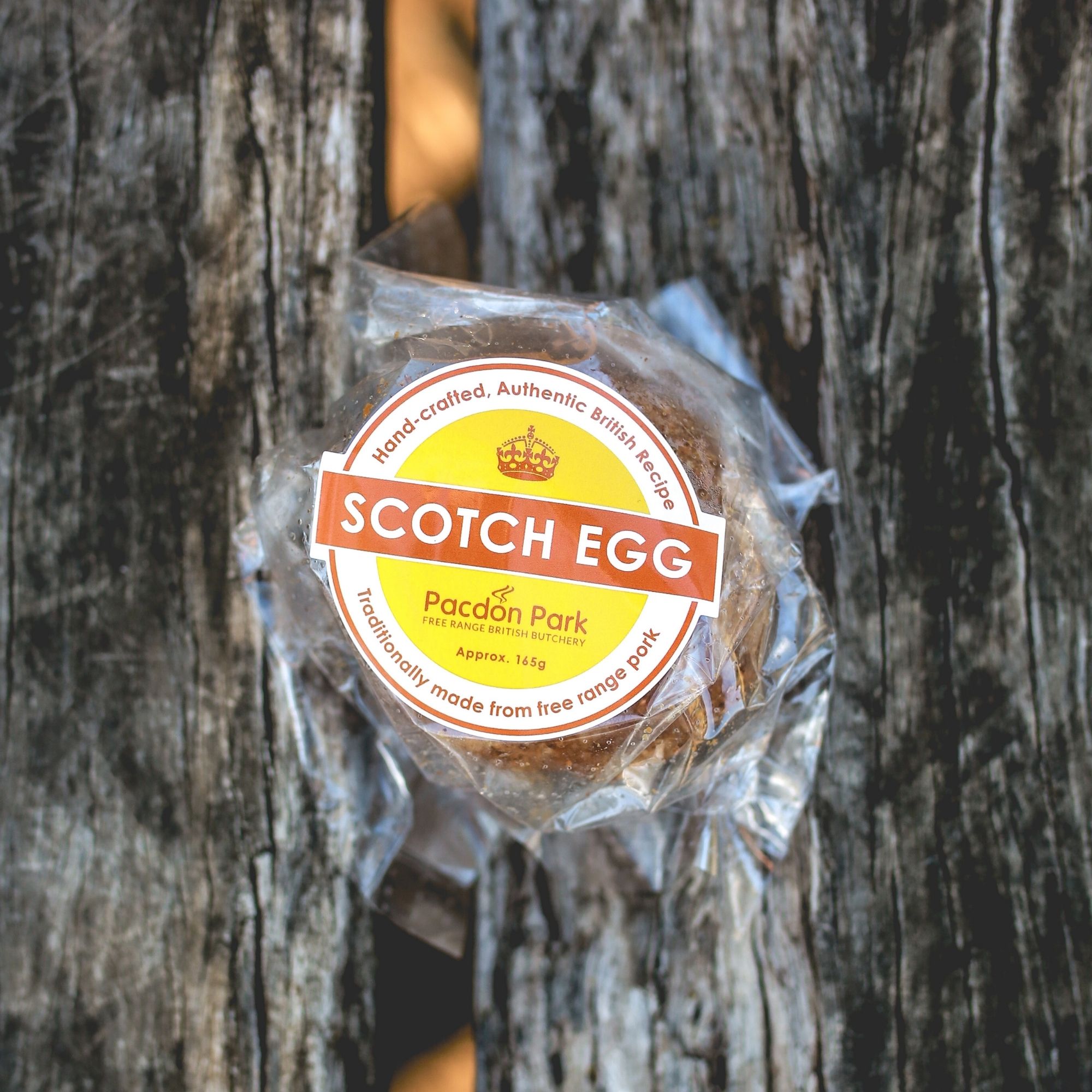
There’s something wonderfully satisfying about biting into a perfectly made Scotch egg. That golden, crispy exterior gives way to tender sausage meat wrapped around a soft-boiled egg with a gloriously runny yolk—it’s the kind of food that makes you stop and savour the moment.
Scotch eggs have been a beloved staple in British cuisine for generations, and their popularity has spread far beyond the UK’s borders. Today, you’ll find them gracing picnic baskets in Australia, appearing on pub menus across Brisbane, and even taking centre stage at gourmet food markets. What makes them so special? They’re portable, versatile, and incredibly satisfying—whether you’re grabbing one for a quick lunch, packing them for a weekend adventure, or serving them as an impressive appetiser at your next gathering.
At A Place 2 Meat, we stock one of the best scotch eggs available in Brisbane, and we’re excited to share everything you need to know about these flavour-packed treats.
What Are Scotch Eggs?
A Scotch egg is a hard-boiled or soft-boiled egg wrapped in seasoned sausage meat, coated in breadcrumbs, and then deep-fried or baked until golden and crispy. It’s a complete meal in one handheld package—protein-rich, filling, and bursting with flavour.
The key components are simple but effective: a perfectly cooked egg at the centre, quality sausage meat that’s been seasoned to perfection, and a crispy breadcrumb coating that provides texture and crunch. While the traditional version uses pork sausage meat, modern variations have expanded to include everything from vegetarian alternatives to gourmet versions featuring specialty meats, exotic spices, or even panko and herb coatings.
The beauty of a Scotch egg lies in its versatility. You can enjoy it hot or cold, plain or with your favourite dipping sauce, as a snack or as the star of your meal. It’s this adaptability that has kept Scotch eggs relevant and loved for centuries.
The History of Scotch Eggs
The true origin of the Scotch egg is a topic of friendly debate among food historians. The most widely accepted story credits London department store Fortnum & Mason with inventing them in 1738 as a luxury travel snack for wealthy customers embarking on long carriage journeys. However, some food historians point to similar dishes in Mughlai cuisine, suggesting the concept may have travelled to Britain during the colonial era.
Despite the “Scotch” in their name, these eggs aren’t particularly Scottish. The name likely refers to the process of “scotching” the meat—an old culinary term meaning to score or chop finely—or it could be a reference to “scotched” eggs being a common term for eggs prepared in a particular way.
What we do know for certain is that Scotch eggs became deeply embedded in British food culture, particularly as pub fare and picnic essentials. Throughout the 19th and 20th centuries, they evolved from a luxury item to an everyday food enjoyed across all social classes. Regional variations emerged, with some areas preferring softer yolks while others insisted on completely hard-boiled centres. Modern times have brought even more creativity, with chefs and home cooks experimenting with different meats, coatings, and flavour profiles.
Types of Scotch Eggs
Traditional Scotch Eggs
The classic version features well-seasoned pork sausage meat wrapped around a boiled egg, coated in fine breadcrumbs, and deep-fried to golden perfection. This is the Scotch egg that started it all—simple, satisfying, and full of that rich, savoury flavour that comes from quality pork and proper seasoning.
Vegetarian & Vegan Versions
Plant-based eating doesn’t mean missing out on this British classic. Vegetarian Scotch eggs use meat alternatives like lentils, chickpeas, or commercial plant-based sausages to create the outer layer. These versions can be just as flavourful and satisfying as their meat-based counterparts, with creative seasonings like smoked paprika, cumin, or fresh herbs adding depth and character.
Mini Scotch Eggs
Perfect for parties, gatherings, or when you want to try multiple flavours, mini Scotch eggs use quail eggs instead of chicken eggs. These bite-sized treats are ideal appetisers and look impressive on any platter. They’re also great for portion control if you want to enjoy the flavour without committing to a full-sized serving.
Gourmet Scotch Eggs
This is where creativity really shines. Gourmet versions might feature specialty meats like chorizo, merguez, or even game meats. Some are coated in panko breadcrumbs for extra crunch, while others incorporate herbs, spices, or even cheese into the sausage layer. You’ll find versions with black pudding, ones wrapped in bacon, and even luxury options with truffle or foie gras.
How to Make Scotch Eggs at Home
Making Scotch eggs from scratch is easier than you might think, and the results are well worth the effort. Here’s how to create your own perfect batch.
Ingredients Needed
- 6 large eggs (plus 2 for coating)
- 500g quality sausage meat
- 100g plain flour
- 150g breadcrumbs (standard or panko)
- Salt and black pepper
- Optional seasonings: fresh herbs, mustard powder, paprika, garlic powder
- Oil for frying (if deep-frying)
Step-by-Step Instructions
Boiling the Eggs
Start by bringing a pot of water to a rolling boil. Gently lower your eggs in and set a timer. For a completely hard-boiled centre, cook for 9-10 minutes. For that gorgeous runny yolk that’s become increasingly popular, aim for 6-7 minutes. Once done, plunge them immediately into ice water to stop the cooking process. This also makes peeling easier. Once cooled, carefully peel the eggs and pat them dry.
Wrapping with Sausage Meat
Divide your sausage meat into six equal portions (roughly 80-85g each). Take one portion and flatten it in your palm into a thin disc, about 10cm wide. Season the meat with salt, pepper, and any additional spices you fancy. Place a peeled egg in the centre and carefully work the meat around it, ensuring there are no gaps or air pockets. The coating should be even all around—about 5-7mm thick. Repeat with the remaining eggs.
Coating with Breadcrumbs
Set up a breading station with three shallow bowls: one with flour, one with beaten eggs, and one with breadcrumbs. Roll each sausage-wrapped egg first in flour (shaking off excess), then dip in beaten egg, and finally coat thoroughly in breadcrumbs. For an extra crispy finish, you can double-coat by repeating the egg and breadcrumb steps.
Baking vs Deep-Frying
Deep-frying: Heat oil to 170-180°C in a deep pot or fryer. Carefully lower the Scotch eggs in and fry for 8-10 minutes, turning occasionally, until deep golden brown and the sausage is cooked through. Drain on paper towels.
Baking: Preheat your oven to 200°C. Place the breaded eggs on a baking tray lined with parchment, brush lightly with oil, and bake for 25-30 minutes until golden and cooked through. Baking is a bit healthier and less messy, though you won’t get quite the same crispy texture as deep-frying.
Tips for the Perfect Scotch Egg
Avoiding Overcooked Yolks: The timing when boiling your eggs is critical. Use a timer and stick to it. The ice bath is essential—it stops the cooking process immediately and prevents that grey-green ring from forming around the yolk.
Achieving a Crispy Crust: Make sure your eggs are completely dry before wrapping. Use panko breadcrumbs instead of standard ones for extra crunch. If baking, brush with oil before and halfway through cooking. Don’t overcrowd the pan if frying—this drops the oil temperature and leads to soggy results.
Flavour Variations: Mix fresh herbs like sage, thyme, or parsley into your sausage meat. Add a teaspoon of mustard powder or Dijon mustard for depth. Try smoked paprika, cayenne pepper, or even curry powder for a twist. You can also wrap the egg in a thin slice of prosciutto or bacon before adding the sausage layer for extra richness.
Where to Buy the Best Scotch Eggs in Brisbane
While making Scotch eggs at home is rewarding, sometimes you want the convenience of grabbing a perfectly made one without the effort. Brisbane has some excellent options for Scotch egg lovers.
When choosing where to buy your Scotch eggs, look for suppliers who use quality ingredients—fresh eggs, hormone-free meat, and proper seasoning make all the difference.
At A Place 2 Meat, we stock high-quality Scotch eggs sourced from a reputable supplier known for consistency, flavour, and authenticity. Made fresh with free-range pork, our Scotch eggs deliver that perfect combination of crispy exterior and flavourful, tender interior. Whether you’re planning a picnic, need a quick protein-packed lunch, or want to impress guests at your next gathering, our Scotch eggs are ready to go when you are.
Scotch Eggs as a Meal or Snack
One of the best things about Scotch eggs is their versatility. They work brilliantly in so many different contexts.
Serving Suggestions
Picnics and Outdoor Events: Scotch eggs are practically made for picnics. They travel well, don’t need reheating, and provide substantial nourishment. Pack them alongside some crusty bread, cherry tomatoes, and a thermos of cold cider for a proper British-style outdoor feast.
Brunches: Serve warm Scotch eggs with a fresh green salad and some hollandaise or mustard sauce for an impressive brunch dish that goes beyond the usual eggs Benedict.
Pub Fare: In Britain, Scotch eggs are classic pub food. Serve them with chips (fries), baked beans, and a pint for an authentic experience. They also make excellent bar snacks when served as mini versions.
Pairing Ideas
Scotch eggs pair beautifully with a range of accompaniments. Traditional options include English mustard, piccalilli, or brown sauce. For something lighter, try them with a tangy yogurt dip mixed with fresh herbs and lemon. A crisp green salad with a sharp vinaigrette cuts through the richness nicely. Pickled vegetables—gherkins, pickled onions, or even kimchi—provide that acidic contrast that makes each bite more interesting.
Storage and Reheating Tips
Cooked Scotch eggs will keep in the fridge for 3-4 days in an airtight container. To reheat, pop them in a 180°C oven for 10-15 minutes rather than microwaving—this helps maintain the crispy coating. You can also enjoy them cold straight from the fridge, which is actually how many people prefer them. If you’re taking them on a picnic, keep them in a cooler with ice packs to maintain food safety.
Fun Facts About Scotch Eggs
Scotch eggs have accumulated some interesting trivia over their long history.
The largest Scotch egg ever made weighed a whopping 7.81kg and was created in London this last June 2025. It was created by food content creators Phoenix Ross and Oli Paterson. They used an ostrich egg to achieve the weight and used a 40-liter fryer for cooking.
During British COVID lockdowns in 2020, Scotch eggs briefly became a cultural flashpoint when government rules stated that pubs could only serve alcohol alongside “substantial meals.” This led to heated debates about whether a Scotch egg qualified as a substantial meal—with government ministers weighing in on the matter. The answer? Yes, it does count.
Scotch eggs have appeared in various films and TV shows as shorthand for British culture. They’re often featured in period dramas, and celebrity chefs have created increasingly elaborate versions on cooking shows, turning the humble Scotch egg into a canvas for culinary creativity.
There’s even an annual Scotch Egg Challenge in some parts of the UK, where competitors race to make and eat Scotch eggs, proving that Brits will make a competition out of anything food-related.
Frequently Asked Questions (FAQs)
Are Scotch Eggs Healthy?
Scotch eggs are definitely an indulgence rather than diet food, but they do offer nutritional benefits. They’re high in protein from both the egg and meat, and eggs provide vitamins A, D, and B12. The main health considerations are the saturated fat from the sausage meat and the calories from deep-frying. Baking instead of frying reduces the fat content significantly. You can also make them healthier by using lean meat, adding vegetables to the sausage mixture, or choosing a whole grain breadcrumb coating.
Can You Freeze Scotch Eggs?
Yes, Scotch eggs freeze quite well. You can freeze them either before or after cooking. If freezing uncooked, prepare them up to the breadcrumb stage, freeze on a tray, then transfer to freezer bags. Cook from frozen, adding a few extra minutes to the cooking time. For cooked Scotch eggs, let them cool completely, wrap individually, and freeze for up to three months. Thaw in the fridge overnight and reheat in the oven until piping hot throughout.
What Is the Best Sausage to Use?
Traditional British pork sausage meat works beautifully—look for varieties with at least 80% meat content and good seasoning. If you’re buying sausages to remove from their casings, choose ones with herbs like sage or thyme already included. For more flavour, try Cumberland sausage with its distinctive peppery taste, or experiment with chorizo, Italian sausage, or even lamb merguez for something different. The key is choosing sausage meat with enough fat content (around 20%) to keep the coating moist and flavourful during cooking.
How Long Do Scotch Eggs Last in the Fridge?
Properly stored in an airtight container, cooked Scotch eggs will last 3-4 days in the fridge. Make sure they’ve cooled to room temperature before refrigerating to prevent condensation, which can make the coating soggy. If you notice any off smells, discolouration, or sliminess, it’s time to discard them. Always reheat thoroughly until steaming hot throughout if you’re not eating them cold.
A Place 2 Meat’s Traditional Scotch Eggs
At A Place 2 Meat, we’re committed to stocking products that meet the same high standards as our premium beef, lamb, chicken, and specialty items. That’s why we offer a top-quality Scotch egg from a trusted supplier — one known for its authentic flavour and satisfying texture.
Our Scotch egg features a well-seasoned sausage layer, a perfectly cooked egg, and a crisp breadcrumb coating that holds up beautifully whether you enjoy it cold or warmed. It’s a delicious, convenient option for Brisbane locals who want a proper Scotch egg without spending hours in the kitchen.
Whether you’re picking up lunch, packing a picnic for South Bank, or craving a classic British snack, we’ve made it easy to enjoy a premium Scotch egg whenever you want.