
About Us
Our meat is always fresh, hand-cut, delicious and prepared with care. We pride ourselves on the quality of meat we sell to our customers because we value you!
Contact Info
- 110/400 Newmarket Road, Newmarket QLD 4051
- +0738564216
- 110/400 Newmarket Road, Newmarket QLD 4051
- +0738564216
Ultimate Guide to Tender and Juicy Lamb Chops
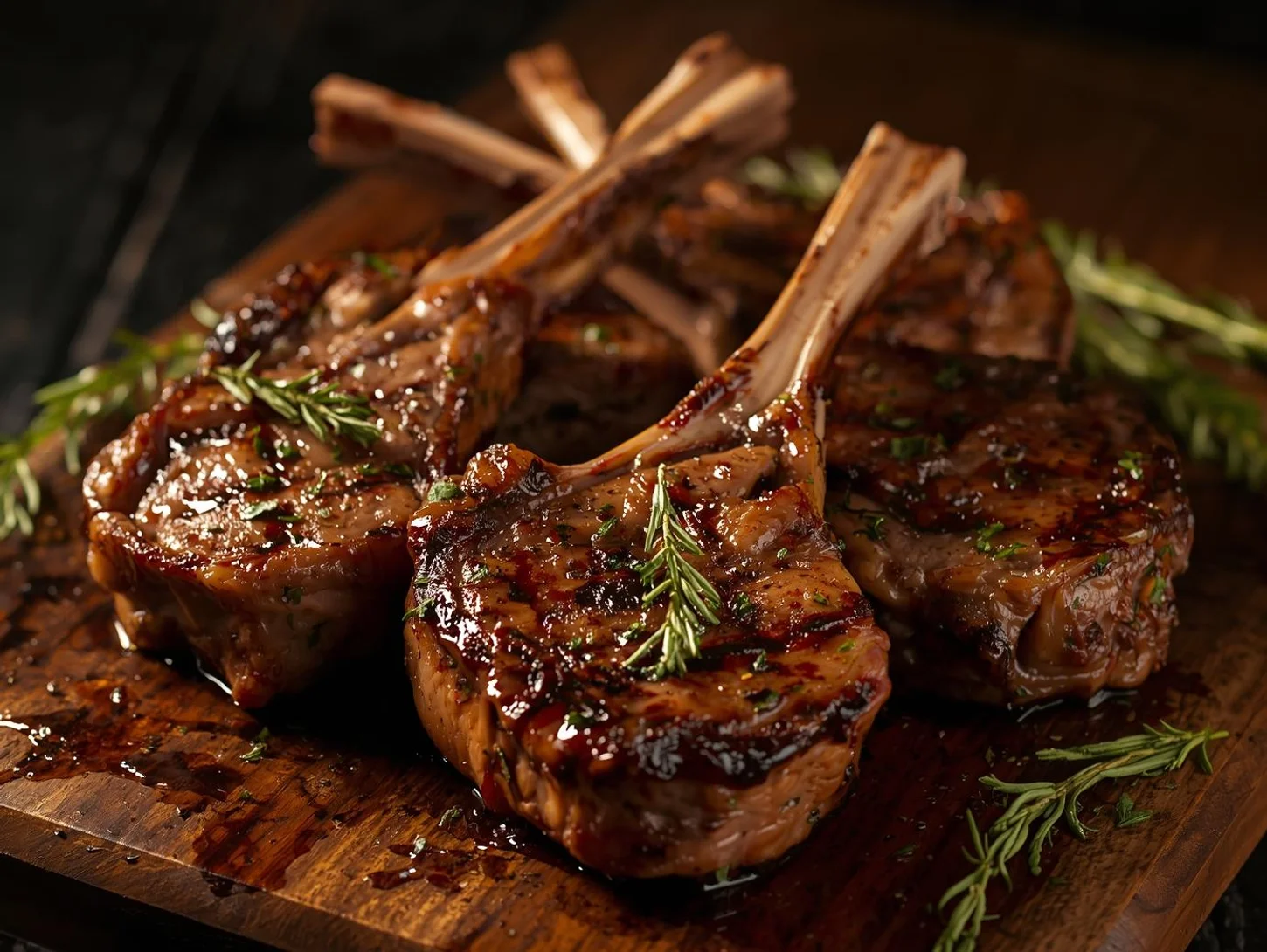
Why Tender and Juicy Lamb Chops Are a Culinary Delight
There’s something undeniably special about perfectly cooked lamb chops. When done right, they’re tender, succulent, and bursting with rich, savory flavor that makes any meal feel like a celebration. Whether you’re hosting a dinner party in Brisbane or treating yourself to a weeknight feast, mastering the art of tender lamb chops transforms an ordinary meal into something truly memorable.
But here’s the thing: lamb chops don’t always get the respect they deserve. Too many home cooks have been disappointed by tough, chewy, or bland results—and it’s not their fault. The truth is, achieving restaurant-quality lamb chops at home requires understanding a few key secrets that professional chefs have known for years.
At A Place 2 Meat, we’re passionate about helping Brisbane families and food lovers unlock the full potential of quality lamb cuts. Our halal-certified, hormone-free lamb is hand-cut fresh on-site, giving you the perfect foundation for exceptional results. But even the best quality meat needs the right technique to shine.
In this guide, we’ll walk you through everything you need to know: from selecting the right cut to understanding the science of tenderness, from proven marinades to expert cooking methods. By the end, you’ll have all the tools you need to create lamb chops so tender and juicy, they’ll practically melt in your mouth.
Understanding the Anatomy of Lamb Chops
Before we dive into cooking techniques, it’s worth understanding what you’re actually working with. Not all lamb chops are created equal, and knowing the differences will help you choose the right cut for your needs and cook it perfectly every time.
Different Types of Lamb Chops
Lamb chops come from various sections of the lamb, each offering unique characteristics:
Loin Chops – Often called the “T-bone of lamb,” loin chops feature a T-shaped bone with tender meat on both sides. They’re lean, tender, and cook quickly, making them perfect for weeknight dinners. The meat is fine-grained and delicate, with a subtle flavor that pairs beautifully with fresh herbs.
Rib Chops – These are the show-stoppers. Cut from the rib section, they feature a distinctive rib bone and generous marbling throughout. Rib chops are incredibly tender and flavorful, with a slightly richer taste than loin chops. They’re ideal for special occasions when you want to impress.
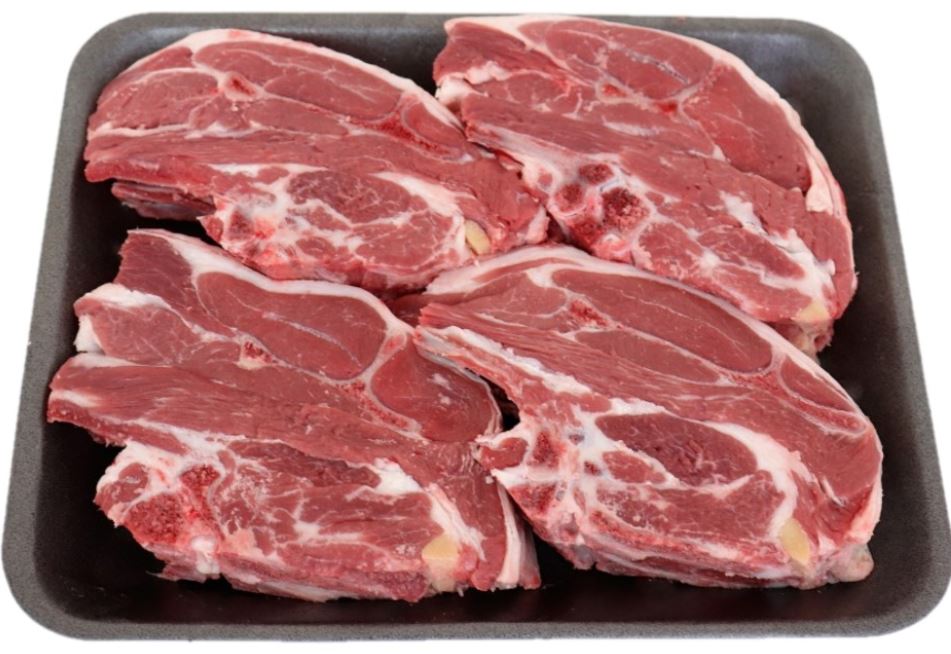
Shoulder Chops – Cut from the shoulder area, these chops are more economical and packed with flavor. They contain slightly more connective tissue, which means they benefit from marinades and slightly longer cooking times. When treated right, shoulder chops deliver deep, robust flavor that’s incredibly satisfying.
Blade Chops – Also from the shoulder, blade chops contain more fat and connective tissue. They’re budget-friendly and absolutely delicious when braised or slow-cooked, making them perfect for hearty, comforting meals.
How the Cut Affects Tenderness and Flavor
The location of the cut directly impacts both tenderness and taste. Muscles that do less work—like those along the back (loin and rib)—tend to be more tender but may have milder flavor. Working muscles, like the shoulder, develop more flavor through increased myoglobin and connective tissue, but require more careful cooking to achieve tenderness.
Fat marbling also plays a crucial role. Those white streaks running through the meat aren’t just for show—they melt during cooking, basting the meat from within and contributing to both moisture and flavor. This is why well-marbled cuts like rib chops are so prized for their juiciness.
The bone itself is another secret weapon. Bone-in chops stay juicier during cooking because the bone acts as a heat conductor and protects the surrounding meat from overcooking. Plus, meat cooked on the bone simply tastes better—it’s a fact any chef will confirm.
Choosing the Best Quality Lamb for Perfect Results
Starting with quality lamb makes everything easier. You can master every technique in the book, but inferior meat will always limit your results. Here’s what separates exceptional lamb from the rest.
What to Look for When Buying Lamb
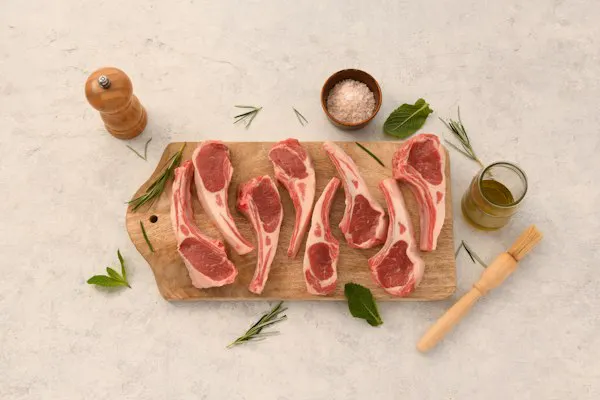
Color and Appearance – Fresh lamb should have a vibrant pink to light red color. Darker red meat typically indicates older lamb (mutton), which has a stronger flavor and tougher texture. The meat should look moist but not wet or slimy.
Fat Quality – Look for creamy white fat with a firm texture. Yellow fat suggests older age or poor diet quality. The fat should be evenly distributed and well-trimmed, with nice marbling throughout the meat itself.
Smell – Quality lamb has a clean, fresh, slightly sweet smell. Any sour, ammonia-like, or off-putting odors are red flags that the meat isn’t fresh.
Butcher Quality – Where you buy matters enormously. At A Place 2 Meat, our lamb chops and lamb cutlets are cut fresh daily by experienced butchers who understand how to trim and prepare each cut for optimal results. Fresh-cut lamb from a dedicated butcher delivers cleaner flavor, better texture, and meat that behaves predictably when you cook it. Our halal certification meat ensures not just religious compliance but also the highest standards of animal welfare and meat handling.
Thickness Consistency – For even cooking, choose chops that are uniformly thick—ideally about 2-3 cm. Inconsistent thickness means some parts will overcook while others stay underdone.
The Science Behind Tenderizing Lamb
Understanding why meat becomes tender (or doesn’t) empowers you to make better decisions in the kitchen. Let’s break down the science without getting too technical.
Role of Collagen and Muscle Fibers
Muscle tissue consists of long protein fibers bundled together by connective tissue called collagen. When you bite into meat, you’re essentially trying to separate these fibers. The easier they come apart, the more tender the meat feels.
Young lamb naturally has less collagen than older animals, which is one reason it’s so prized for tenderness. However, even young lamb has varying amounts of collagen depending on the cut. Muscles that work harder (shoulder, shanks) develop more connective tissue to support that work.
Here’s the good news: collagen breaks down when exposed to heat and moisture over time, transforming into gelatin. This is why tough cuts become melt-in-your-mouth tender after slow cooking. For quick-cooking cuts like loin chops, you want to minimize collagen in the first place by choosing tender cuts and not overcooking them.
How Enzymes and Acids Help Break Down Toughness
Nature provides several ways to tenderize meat before cooking. Certain enzymes—found in ingredients like papaya (papain), pineapple (bromelain), and ginger—literally digest protein structures, breaking down tough fibers and making meat more tender.
Acids work differently. Ingredients like lemon juice, vinegar, wine, and yogurt don’t break down protein as aggressively as enzymes, but they do help by denaturing surface proteins, allowing marinades to penetrate deeper and creating a more tender outer layer.
The key with both enzymes and acids is moderation. Too much enzyme action or too long in an acidic marinade can make the meat mushy rather than tender. For lamb chops, 2-4 hours is typically the sweet spot for marinades—long enough to work their magic without crossing into mushiness.
Salt deserves special mention here. When you salt meat and let it rest, the salt initially draws moisture out. But then, through osmosis, that salty moisture gets reabsorbed back into the meat, seasoning it throughout and altering the protein structure in ways that increase tenderness. This process, called dry brining, is incredibly effective and requires nothing more than salt and time.
Proven Marinades to Enhance Tenderness and Flavor
Marinades are your secret weapon for transforming good lamb chops into extraordinary ones. The right marinade doesn’t just add flavor—it actively works to make the meat more tender and juicy.
The Perfect Balance of Acid, Fat, and Herbs
Every great marinade contains three essential components working in harmony:
Acid – This is your tenderizing agent. Lemon juice, red wine, balsamic vinegar, or yogurt break down surface proteins and help flavors penetrate. Aim for about 15-20% acid in your marinade—enough to tenderize without overwhelming the meat’s natural flavor.
Fat – Olive oil, sesame oil, or even melted butter serves multiple purposes. Fat carries fat-soluble flavors deep into the meat, prevents moisture loss during cooking, and helps create that beautiful crust when searing. Fat should make up about 30-40% of your marinade.
Aromatics and Herbs – Garlic, rosemary, thyme, mint, cumin, coriander—these provide the flavor profile that makes your lamb chops sing. Fresh herbs generally work better than dried for marinades because they release essential oils that penetrate the meat.
The remaining portion of your marinade can include salt (essential!), sugar or honey (for caramelization and balance), and spices that complement lamb’s rich flavor.
Best Marinade Recipes for Lamb Chops
Mediterranean Classic
- 1/3 cup extra virgin olive oil
- 3 tablespoons lemon juice
- 4 cloves garlic, crushed
- 2 tablespoons fresh rosemary, finely chopped
- 1 tablespoon fresh thyme
- 1 teaspoon sea salt
- 1/2 teaspoon black pepper
This timeless combination highlights lamb’s natural flavor while adding bright, herbal notes.
Yogurt and Mint
- 3/4 cup plain Greek yogurt
- 2 tablespoons olive oil
- 3 tablespoons fresh mint, chopped
- 2 cloves garlic, minced
- 1 tablespoon lemon juice
- 1 teaspoon ground cumin
- 1 teaspoon salt
- 1/2 teaspoon black pepper
The yogurt’s enzymes work wonders on lamb, while mint provides that classic pairing.
Asian-Inspired Fusion
- 1/4 cup soy sauce
- 2 tablespoons sesame oil
- 2 tablespoons rice wine or mirin
- 1 tablespoon honey
- 3 cloves garlic, minced
- 1 tablespoon fresh ginger, grated
- 1 teaspoon Chinese five-spice
- 2 green onions, finely sliced
This marinade brings umami depth and slightly sweet notes that caramelize beautifully.
Red Wine and Rosemary
- 1/2 cup red wine (something you’d drink)
- 1/4 cup olive oil
- 3 tablespoons balsamic vinegar
- 4 cloves garlic, crushed
- 3 tablespoons fresh rosemary
- 1 tablespoon Dijon mustard
- 1 teaspoon salt
- 1/2 teaspoon black pepper
Rich and sophisticated, this marinade creates restaurant-quality flavor.
Proper Seasoning Techniques Before Cooking
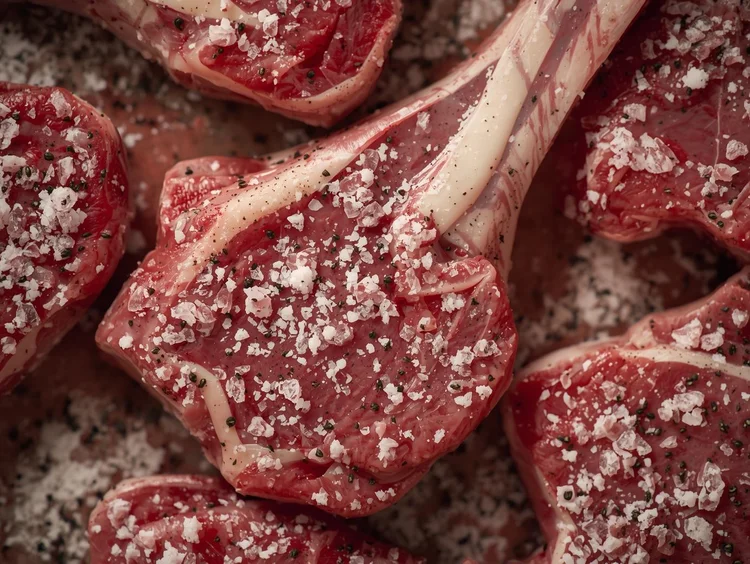
Seasoning seems simple, but timing and technique make all the difference between bland meat and flavor-packed perfection.
When to Salt: Before or After?
This question sparks endless debate among cooks, but science gives us a clear answer: salt before cooking, ideally well before.
When you salt lamb chops 40 minutes to several hours before cooking, you’re dry brining. The salt initially draws moisture to the surface, dissolves in that moisture, and then gets reabsorbed into the meat, seasoning it throughout while also altering protein structures to retain more moisture during cooking.
For the best results with thicker cuts, salt your lamb chops 1-4 hours before cooking and let them rest uncovered in the refrigerator. For thinner chops, even 30-40 minutes makes a noticeable difference.
If you’re short on time, season immediately before cooking rather than 5-10 minutes before—that brief window is when the salt has drawn moisture out but hasn’t had time to reabsorb, leaving you with surface moisture that prevents proper searing.
Using Spices and Aromatics for Maximum Impact
Beyond salt, your spice choices should complement lamb’s naturally rich, slightly gamey flavor. Here are combinations that work beautifully:
Classic Mediterranean – Rosemary, thyme, garlic, and black pepper create timeless flavors that let the lamb shine.
Middle Eastern – Cumin, coriander, sumac, and za’atar bring earthy warmth with a hint of citrus that’s absolutely magical with lamb.
North African – Cinnamon, cumin, paprika, and coriander (think ras el hanout) add complex, slightly sweet spicing that’s exotic yet approachable.
Australian Native – Lemon myrtle, pepperberry, and wattleseed provide unique flavors that pair surprisingly well with lamb, celebrating local ingredients.
Apply your spice rub after salting but before cooking. Press the spices into the lamb so they adhere properly and create a flavorful crust. For maximum depth, mix your spices with a small amount of oil to create a paste—this helps them stick and prevents burning.
Fresh aromatics like garlic, ginger, and herbs should be added toward the end of cooking or used in marinades, as they can burn during high-heat cooking and turn bitter.
Cooking Methods for Juicy Perfection
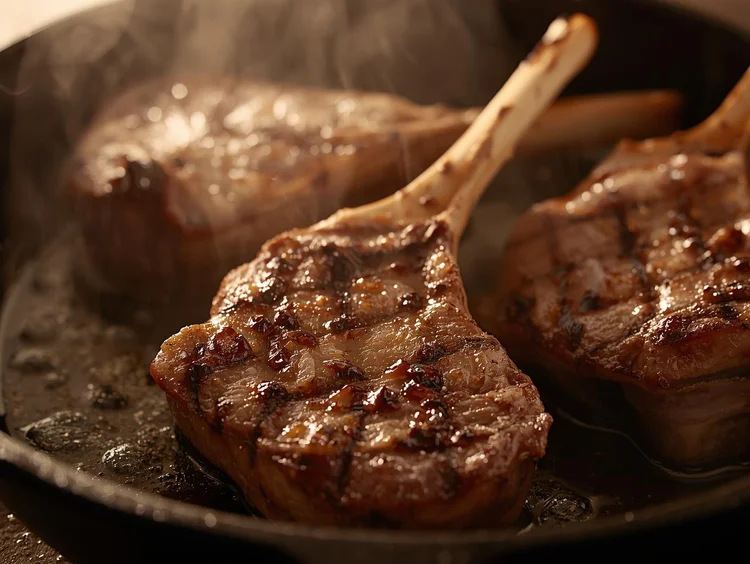
The cooking method you choose can make or break your lamb chops. Each technique has its place, and understanding when to use which method ensures consistently excellent results.
Pan-Searing: Locking in the Juices
Pan-searing is perhaps the most reliable method for achieving restaurant-quality lamb chops at home. The high heat creates a beautiful caramelized crust while keeping the interior juicy and tender.
The Technique:
Start with room temperature chops—they’ve been sitting out for 20-30 minutes after coming from the fridge. Pat them completely dry with paper towels (moisture is the enemy of a good sear).
Heat a heavy pan (cast iron is ideal) over high heat until it’s smoking hot. Add a high smoke-point oil like grapeseed or avocado oil—just enough to coat the bottom.
Place your chops in the pan without crowding (work in batches if necessary). You should hear an immediate, aggressive sizzle. Don’t touch them for 3-4 minutes—let that crust develop.
Flip once, and sear the other side for another 3-4 minutes for medium-rare. Add butter, crushed garlic, and herbs like rosemary or thyme in the final minute, basting the chops with the aromatic butter.
The result? A gorgeous mahogany crust with a perfectly pink interior that’s incredibly juicy.
Grilling Lamb Chops Like a Pro
Grilling adds smoky complexity that’s especially beautiful with lamb. The key is managing your heat zones and avoiding the temptation to flip constantly.
The Technique:
Set up a two-zone fire on your grill—high direct heat on one side, cooler indirect heat on the other. This gives you control to sear and then finish cooking without burning.
Clean and oil your grill grates thoroughly. Place your lamb chops over direct heat and sear for 2-3 minutes per side until you see defined grill marks and a nice char.
Move the chops to the indirect heat zone to finish cooking to your desired doneness—usually another 3-5 minutes depending on thickness.
For extra flavor, add wood chips (oak or fruit woods work beautifully) or throw some fresh rosemary sprigs directly on the coals for aromatic smoke.
The beauty of grilling is that slight char that adds bittersweet complexity to lamb’s rich flavor. Just be careful not to leave them over direct heat too long, or you’ll end up with burnt exteriors and raw interiors.
Oven-Roasting and Broiling Tips
Roasting and broiling work exceptionally well for thicker chops or when cooking larger quantities. These methods provide more controlled, even heat than stovetop or grill cooking.
Oven-Roasting:
Preheat your oven to 200°C (400°F). Sear the chops in an oven-safe pan on the stovetop first (2 minutes per side), then transfer the entire pan to the oven.
Roast for 6-8 minutes for medium-rare, depending on thickness. This two-step approach (sear then roast) gives you both the crust and the even internal cooking you want.
Broiling:
Position your oven rack about 10-15 cm from the broiler element. Preheat the broiler on high.
Place chops on a broiler pan or wire rack over a baking sheet (this allows heat circulation and prevents steaming). Broil for 4-5 minutes per side for medium-rare.
Watch carefully—broilers are powerful and can go from perfect to burnt in seconds. Broiling is excellent when you want that charred, restaurant-style finish but don’t have access to a grill.
For extra insurance against drying out, brush chops with olive oil or melted butter before roasting or broiling.
Temperature Control: The Key to Tender Lamb
If there’s one skill that separates amateur cooks from professionals, it’s temperature control. Even the finest quality lamb can be ruined by overcooking, while proper temperature management guarantees juicy, tender results every time.
Ideal Internal Temperatures for Doneness Levels
Invest in an instant-read meat thermometer—it’s the single most important tool for perfect lamb chops. Here are the temperatures you’re aiming for:
| Doneness | Internal Temperature | Description |
| Rare | 50-52°C (122-125°F) | Deep red center, very soft and juicy |
| Medium-Rare | 55-57°C (130-135°F) | Warm red center, optimal tenderness |
| Medium | 60-63°C (140-145°F) | Pink center, still juicy |
| Medium-Well | 65-68°C (150-155°F) | Slightly pink center, firmer texture |
| Well Done | 71°C+ (160°F+) | No pink, drier texture (not recommended) |
The sweet spot for lamb chops is medium-rare to medium—this range delivers maximum tenderness, juiciness, and flavor. Lamb is safe to eat at these temperatures (unlike pork or chicken), and cooking beyond medium means sacrificing the qualities that make lamb special.
Remove your chops from heat when they’re about 3-5°C below your target temperature. They’ll continue cooking during resting (carryover cooking), reaching the perfect final temperature.
How Resting Time Affects Juiciness
This might be the most overlooked step in cooking perfect lamb chops, yet it’s absolutely critical. When you rest meat after cooking, the muscle fibers—which contracted during cooking and squeezed out moisture—begin to relax and reabsorb those juices. If you cut into lamb immediately after cooking, all that flavorful liquid runs out onto your plate instead of staying in the meat where it belongs.
Additionally, the temperature evens out throughout the chop. The exterior is hotter than the interior right off the heat, and resting allows heat to distribute evenly.
Rest your lamb chops for 5-8 minutes before cutting or serving. Tent them loosely with foil to keep them warm without trapping steam (which can soften that beautiful crust you worked so hard to create).
For thicker cuts like lamb shanks, rest for 10-15 minutes. This brief wait is the difference between good lamb and extraordinary lamb—it’s worth it.
Common Mistakes That Ruin Lamb Chops
Even experienced cooks sometimes fall into these traps. Avoiding these common mistakes will dramatically improve your results.
Overcooking and Drying Out the Meat
This is the number one mistake home cooks make with lamb. Fear of undercooking or simply not paying attention leads to dry, tough, disappointing chops.
Lamb is relatively lean compared to beef, especially cuts like loin chops. There’s less fat to keep things juicy when you overcook. Once you push lamb past medium to medium-well, you’re moving into dry territory fast.
The fix is simple: use a thermometer, pull the meat early (accounting for carryover cooking), and resist the urge to “just give it another minute.” That extra minute is often the difference between perfect and overcooked.
If you’re worried about food safety, understand that lamb is safe at much lower temperatures than many people think. Experts recommend 145°F (63°C), which is solidly in the medium range—you have plenty of room to keep lamb tender and juicy while staying completely safe.
Additional Critical Mistakes to Avoid
Cooking from cold – Starting with refrigerator-cold chops means the exterior overcooks by the time the interior reaches temperature. Always bring lamb to room temperature first (20-30 minutes on the counter).
Using low heat – Many home cooks fear high heat, but lamb chops need it for proper searing and crust development. Don’t be timid—get that pan or grill hot.
Flipping too often – Constant flipping prevents crust formation and releases juices. Flip once, maybe twice maximum.
Crowding the pan – When chops touch each other, they steam instead of sear. Leave space between them, even if it means cooking in batches.
Skipping rest time – As detailed in the Temperature Control section, cutting into lamb immediately after cooking guarantees juice loss. Those precious liquids spill out onto the cutting board, leaving you with drier meat. Set a timer if you need to—walk away from the kitchen for those crucial 5-8 minutes.
Skipping the fat – Lean meat needs some fat for flavor and moisture. Don’t trim all the fat before cooking, and don’t be afraid to add butter or oil.
Wrong pan choice – Thin pans don’t retain heat well, leading to sticking and poor searing. Use heavy pans that maintain consistent high temperatures.
Expert Tips from Professional Chefs
Professional chefs have tricks up their sleeves that consistently deliver exceptional results. Here are some insider techniques you can use at home.
Using Compound Butter and Fresh Herbs
Compound butter is simply butter mixed with herbs, spices, or other flavorings. It’s ridiculously easy to make and elevates lamb chops from good to spectacular.
Classic Herb Butter: Mix softened butter with finely chopped rosemary, thyme, and parsley, plus a bit of minced garlic and lemon zest. Form into a log using plastic wrap and refrigerate.
When your lamb chops come off the heat and are resting, top each one with a slice of this herb butter. As it melts, it creates an instant sauce that’s rich, aromatic, and absolutely delicious. The flavors seep into the meat while adding a luxurious, glossy finish.
Variations to try:
- Mint and lemon butter – Perfect for spring lamb
- Garlic and anchovy butter – Adds umami depth without fishiness
- Harissa butter – Spicy, complex, incredible with grilled lamb
- Blue cheese butter – Bold and luxurious for special occasions
Fresh herbs should be added at the end of cooking or as a garnish. Sprinkle freshly chopped mint, parsley, or cilantro over finished chops for a pop of color and fresh flavor that cuts through lamb’s richness.
Finishing Touches: Sauces and Glazes
While perfectly cooked lamb chops are delicious on their own, a complementary sauce can create a restaurant-worthy presentation.
Pan Sauce – After searing lamb in a pan, remove the chops and pour off excess fat. Add a splash of wine or stock to deglaze, scraping up all those flavorful brown bits. Reduce by half, then whisk in butter and fresh herbs. This takes 2 minutes and tastes like it took hours.
Mint Sauce – The classic British accompaniment combines fresh mint, sugar, and vinegar for bright, tangy contrast to rich lamb.
Red Wine Reduction – Simmer red wine with shallots, thyme, and a touch of honey until syrupy. Finish with butter for glossy richness.
Pomegranate Molasses Glaze – Brush lamb chops with pomegranate molasses in the last minute of cooking for sweet-tart complexity with Middle Eastern flair.
Tzatziki – Greek yogurt, cucumber, garlic, and dill creates a cool, creamy contrast to hot, savory lamb—especially good with grilled chops.
The key with sauces is balance. Lamb has strong flavor, so your sauce should complement without overwhelming. Bright acidity, fresh herbs, or slight sweetness all work beautifully.
Serving Suggestions for a Gourmet Presentation
You’ve cooked the perfect lamb chops—now let’s talk about serving them in ways that make the meal truly memorable.
Side Dishes That Complement Lamb Perfectly
The right sides balance lamb’s richness while adding variety in texture and flavor:
Roasted Vegetables – Brussels sprouts, carrots, or beetroot roasted with olive oil and herbs provide earthy sweetness that complements lamb beautifully. The caramelization from roasting creates flavor depth that matches the meat’s richness.
Creamy Potatoes – Mashed potatoes, pommes dauphinoise, or roasted potatoes with rosemary are classic for good reason. They’re comforting, they soak up sauces, and they provide a neutral backdrop for lamb’s bold flavor.
Fresh Salads – A crisp salad with lemon vinaigrette cuts through richness and adds brightness. Try rocket (arugula) with shaved parmesan, or a Mediterranean salad with tomatoes, cucumbers, and olives.
Grains and Legumes – Couscous, quinoa, or white beans provide protein and fiber while absorbing lamb’s flavors. Middle Eastern-style couscous with dried fruits and nuts is especially stunning.
Grilled Vegetables – Zucchini, eggplant, capsicum, and asparagus take on smoky char that echoes grilled lamb perfectly.
Braised Greens – Silverbeet, kale, or spinach braised with garlic add nutrition and earthy flavor without competing with the lamb.
For an impressive presentation, plate sides thoughtfully rather than just piling everything on the plate. A small bed of mashed potatoes, chops leaned against it, a neat pile of vegetables, and a drizzle of sauce looks restaurant-quality with minimal effort.
Wine Pairings for Tender Lamb Chops
Wine and lamb are natural partners. The key is matching intensity—delicate lamb needs lighter wines, while richly prepared lamb can handle bigger, bolder wines.
Red Wine Pairings:
- Cabernet Sauvignon – Full-bodied with tannins that cut through lamb’s fat, especially good with grilled or heavily seasoned chops
- Syrah/Shiraz – Peppery notes complement lamb’s gamey qualities; Australian Shiraz is particularly fitting in Brisbane
- Pinot Noir – Lighter and more elegant, perfect for delicately seasoned loin chops
- Merlot – Smooth and fruity, approachable for everyday meals
- GSM Blends (Grenache, Syrah, Mourvèdre) – Complex and food-friendly, these Southern French/Australian blends are lamb’s best friend
White Wine Pairings: While red is traditional, don’t overlook white wines with lamb:
- Viognier – Aromatic and full-bodied enough to stand up to lamb
- Aged Chardonnay – Buttery richness complements grilled lamb
- Rosé – Especially good with Mediterranean-style preparations or summer grilling
Local Considerations: Brisbane’s proximity to excellent Australian wine regions means you have world-class options nearby. Queensland’s Granite Belt produces beautiful wines that pair wonderfully with lamb, supporting local producers while elevating your meal.
Match your wine to your preparation: grilled lamb with herbs wants something with bright fruit; braised lamb with rich sauces needs something with more structure; Asian-spiced lamb might even pair beautifully with a Riesling or Gewürztraminer.
Storing and Reheating Without Losing Juiciness
Sometimes you have leftovers (though with lamb this good, it’s rare). Here’s how to store and reheat them while maintaining quality.
Proper Refrigeration and Reheating Techniques
Storage: Let cooked lamb cool to room temperature before refrigerating (but don’t leave it out more than 2 hours for food safety). Store in airtight containers or wrap tightly in plastic wrap and foil. Properly stored, cooked lamb keeps for 3-4 days in the refrigerator.
Store leftover lamb in slices rather than whole chops when possible—they’ll reheat more evenly and quickly.
Reheating: The challenge with reheating lamb is avoiding further cooking, which dries it out. Here are the best methods:
Gentle oven method – Preheat oven to 120°C (250°F). Place lamb in an oven-safe dish with a splash of stock or water, cover tightly with foil, and warm for 10-15 minutes. This prevents moisture loss.
Stovetop method – Slice leftover lamb and quickly sear in a hot pan with a bit of butter for just 30-60 seconds per side. This warms it through without overcooking.
Sous vide method – If you have a sous vide setup, bag the lamb and warm at 55°C (130°F) for 30 minutes. This brings it to temperature without any additional cooking.
What to avoid – Don’t microwave lamb chops if you can help it. Microwaves heat unevenly and tend to make meat rubbery. If you must use a microwave, use 50% power in short bursts.
Consider using leftover lamb in new dishes: sliced thin for sandwiches, diced for grain bowls, or shredded for pasta or salads. Sometimes repurposing is better than straight reheating.
Freezing Tips to Preserve Flavor
Freezing is excellent for longer-term storage, but technique matters.
Freezing Raw Lamb: Pat chops dry and wrap individually in plastic wrap, then place in freezer bags with as much air removed as possible. Label with date and cut. Raw lamb keeps well for 6-9 months frozen.
Freezing individual chops means you can thaw only what you need. Separate layers with parchment paper if stacking in bags.
Freezing Cooked Lamb: This works, but frozen cooked lamb is best used in dishes rather than served as chops again. Wrap tightly and use within 2-3 months.
Thawing: Always thaw lamb in the refrigerator, never at room temperature. Plan ahead—thawing can take 12-24 hours depending on thickness. For faster thawing, seal lamb in a waterproof bag and submerge in cold water, changing the water every 30 minutes.
Never refreeze thawed raw lamb unless you’ve cooked it first. The quality deteriorates with each freeze-thaw cycle.
Exploring Different Lamb Cuts for Various Occasions
While we’ve focused mainly on chops, understanding the full range of lamb cuts available at A Place 2 Meat helps you choose the right one for your needs:
Lamb Ribs – These are underrated and absolutely delicious. Marinate and cook them low and slow (braised or slow-roasted) until the meat is fall-off-the-bone tender. Think of them as the lamb equivalent of pork ribs, with all that sticky, savory goodness.
Lamb Cutlets – These are essentially frenched rib chops with the bone scraped clean for presentation. They’re naturally tender and cook quickly, making them perfect for elegant dinner parties. The exposed bone makes an elegant handle for eating.
Lamb Shanks – While not chops, shanks deserve mention for anyone who loves tender lamb. These require slow braising (think 2-3 hours) but transform into melt-in-your-mouth meat with incredible depth of flavor. Perfect for cooler Brisbane evenings.
Each cut has its ideal preparation method. Quick-cooking tender cuts like loin chops are perfect for weeknight meals, while fattier or tougher cuts shine with slow-cooking methods that transform them into something spectacular.
Experimenting with Global Flavors
Lamb is incredibly versatile and appears in cuisines worldwide. Don’t be afraid to experiment beyond traditional preparations:
Greek-Style – Marinate with lemon, oregano, and olive oil. Serve with tzatziki, pita, and Greek salad for a Mediterranean feast.
Moroccan-Inspired – Use warm spices like cumin, coriander, cinnamon, and paprika. Serve over couscous with apricots and almonds for sweet-savory complexity.
Indian-Spiced – Create a yogurt-based marinade with garam masala, turmeric, and chili. Pair with raita and naan for restaurant-quality results at home.
French Technique – Keep it simple with herbes de Provence, Dijon mustard, and a red wine reduction. Serve with pommes Anna and haricots verts for classic elegance.
Middle Eastern – Za’atar, sumac, and tahini sauce create bright, tangy flavors that complement lamb beautifully. Add some roasted vegetables and hummus for a complete mezze-style meal.
Asian Fusion – Soy sauce, ginger, star anise, and hoisin create complex umami flavors. Serve with stir-fried greens and jasmine rice.
Brisbane’s multicultural food scene makes it easy to find authentic ingredients for any of these preparations. Experimenting with different flavor profiles keeps lamb chops exciting and prevents mealtime monotony.
Timing Your Meal Preparation
Organization makes the difference between a stressful cooking experience and an enjoyable one. Here’s a timeline for success:
Several Hours Before (or Morning of):
- Remove lamb from refrigerator if using a marinade, or prepare your marinade
- If dry brining (salting), season the lamb and return to the refrigerator uncovered
One Hour Before:
- Remove lamb from refrigerator to come to room temperature
- Prepare side dishes that need longer cooking
- If marinated, remove lamb from marinade and pat dry
30 Minutes Before:
- Preheat oven if roasting, or prepare grill if grilling
- Prep any sauces or compound butter
- Chop herbs for garnish
15 Minutes Before:
- Season lamb (if not already done)
- Get your pan smoking hot if pan-searing
- Finish side dishes that need last-minute attention
Cooking Time:
- 8-12 minutes for the chops themselves
- 5-8 minutes resting time
- Plate and serve immediately after resting
This timeline ensures everything comes together smoothly, the lamb is perfectly cooked, and you’re not frantically rushing at the last minute.
Troubleshooting Common Issues
Even with perfect technique, sometimes things don’t go as planned. Here’s how to rescue or prevent common problems:
Problem: Lamb tastes too gamey
- Causes: Older lamb, not trimmed properly, or personal sensitivity to lamb’s natural flavor
- Solutions: Trim excess fat before cooking; marinate with acidic ingredients; pair with bold, bright flavors like mint or lemon; consider buying younger lamb (look for lighter color)
Problem: Chops are tough despite following instructions
- Causes: Overcooked, wrong cut for cooking method, or insufficient resting
- Solutions: Always use a thermometer; choose tender cuts (loin, rib) for quick cooking; save shoulder chops for slow cooking; never skip resting time
Problem: No crust or poor searing
- Causes: Meat too wet, pan not hot enough, or overcrowding
- Solutions: Pat meat completely dry; get pan smoking hot before adding meat; leave space between chops; don’t move them until crust forms
Problem: Smoke alarm going off
- Causes: Pan too hot, wrong oil, or fat dripping onto heating element
- Solutions: Use high smoke-point oils; turn on exhaust fan; crack a window; consider finishing in the oven instead of stovetop
Problem: Unevenly cooked (raw in center, overcooked outside)
- Causes: Starting from too cold, heat too high, or chops too thick
- Solutions: Bring to room temperature first; use two-zone cooking (sear then finish in oven); pound thick chops to even thickness
Problem: Dry, flavorless lamb
- Causes: Overcooked, insufficient seasoning, or poor quality meat
- Solutions: Pull meat earlier (use thermometer); salt well in advance; buy quality lamb from A Place 2 Meat
Master the Art of Perfect Lamb Chops
You now have everything you need to cook lamb chops that rival any restaurant. From understanding different cuts to mastering marinades, from perfect temperature control to avoiding common mistakes—these techniques will serve you well whether you’re cooking a weeknight dinner or hosting a special occasion.
The beauty of lamb chops is their versatility. They’re quick enough for busy weeknights yet elegant enough for dinner parties. They pair with endless flavor profiles, from classic Mediterranean herbs to bold Asian spices. And when cooked properly, they’re tender, juicy, and absolutely delicious.
Don’t let past disappointments hold you back. With the right techniques and quality meat, perfect lamb chops are entirely achievable. Start with good fundamentals—proper seasoning, accurate temperature control, and adequate resting—and build from there as your confidence grows.
Ready to put these secrets into practice? Browse our selection of premium, halal-certified lamb cuts. Our experienced butchers are here to help Brisbane families discover just how incredible properly sourced and prepared lamb can be.
Whether you’re looking for elegant lamb cutlets for a special dinner, versatile lamb loin chops for weeknight meals, or lamb ribs for your next barbecue, we’ve got you covered. Every cut is hand-selected, fresh-cut to order, and never pumped with preservatives.
Order online for convenient home delivery across Brisbane, or visit our shop to speak with our knowledgeable butchers who can help you choose the perfect cut and share even more cooking tips. Your journey to tender, juicy, restaurant-quality lamb chops starts here.