
About Us
Our meat is always fresh, hand-cut, delicious and prepared with care. We pride ourselves on the quality of meat we sell to our customers because we value you!
Contact Info
- 110/400 Newmarket Road, Newmarket QLD 4051
- +0738564216
- 110/400 Newmarket Road, Newmarket QLD 4051
- +0738564216
How to Cook Pork Scotch Fillet: A Guide for Every Method
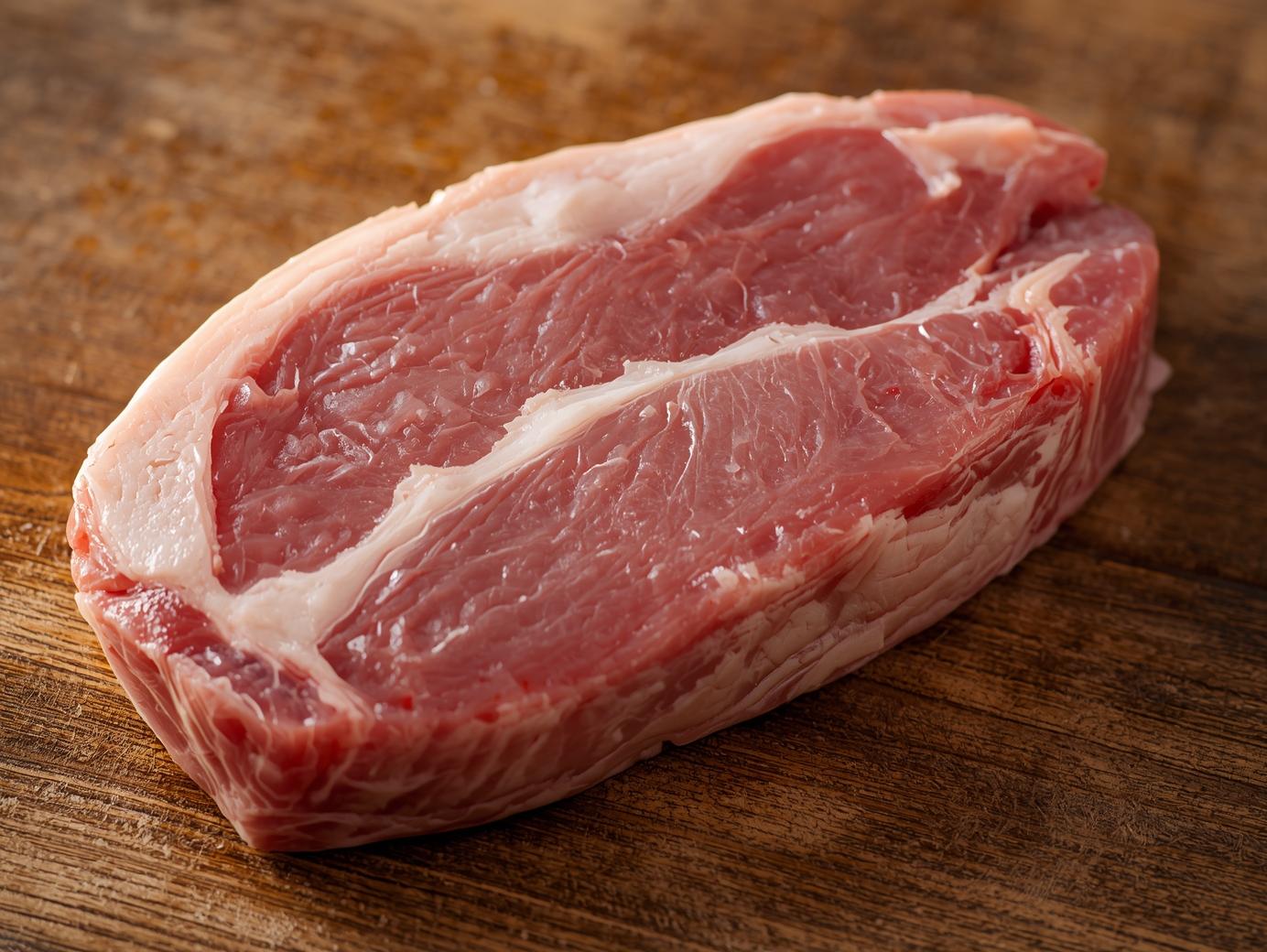
Pork scotch fillet doesn’t always get the attention it deserves. While pork belly and tenderloin steal the limelight, pork scotch fillet quietly delivers incredible flavour, natural juiciness, and versatility that works across nearly every cooking method you can think of.
At A Place 2 Meat, we’re passionate about helping Brisbane home cooks discover cuts like pork scotch fillet because they bring something truly special to the table: beautiful marbling that keeps the meat tender, deep pork flavour that shines through any preparation, and the flexibility to go from weeknight dinners to special occasion centrepieces.
Whether you’re new to cooking pork or you’ve been grilling for years, this guide will walk you through everything you need to know about pork scotch fillet—from choosing the right cut to mastering every major cooking method. Let’s dig in.
Cooking Pork Scotch Fillet
Why Pork Scotch Fillet Is a Favourite Among Home Cooks and Chefs
There’s a reason chefs and home cooks keep coming back to pork scotch fillet: it’s forgiving, flavourful, and adaptable. The natural marbling throughout the meat means you get juicy, tender results even if you’re still learning your way around the kitchen. Unlike leaner cuts that dry out quickly, scotch fillet has just enough fat to keep things moist and delicious.
Plus, it responds beautifully to almost any cooking style. Want a quick weeknight dinner? Pan-sear it. Hosting a Sunday roast? Oven-roast it to perfection. Feeling adventurous with your slow cooker or sous vide setup? This cut handles it all with ease.
What This Guide Covers (Every Major Cooking Method)
This isn’t just another recipe post. We’ve designed this guide to be your complete reference for cooking pork scotch fillet, no matter what equipment you have or how much time you’ve got.
You’ll learn about:
- Oven roasting for classic Sunday dinners
- Pan-frying and searing for quick meals with a golden crust
- Grilling on the BBQ for smoky, charred flavour
- Slow cooking for fall-apart tender pulled pork
- Sous vide for precise, restaurant-quality results
- Air frying for convenient, crispy-edged pork
We’ll also cover food safety, seasoning ideas, storage tips, and common mistakes to avoid. By the end, you’ll feel confident tackling pork scotch fillet any way you like.
Who This Guide Is For: Beginners to Confident Cooks
Whether you’re just starting to explore cooking meat at home or you’re already comfortable in the kitchen, this guide has something for you. We’ve written it to be accessible for beginners while including enough detail and technique tips to help experienced cooks refine their approach.
If you’ve ever wondered how to get that perfect crust, why your pork comes out dry, or what internal temperature you should actually aim for, you’re in the right place.
What Is Pork Scotch Fillet?
Where Pork Scotch Fillet Comes From on the Pig
Pork scotch fillet comes from the shoulder and neck area of the pig. It’s a muscle that gets plenty of use during the animal’s life, which is part of what gives it such rich, developed flavour. The cut typically includes a good amount of intramuscular fat (marbling) and a fat cap on one side, both of which contribute to its juiciness and taste.
Other Names for Pork Scotch Fillet (Pork Collar, Pork Neck)
Depending on where you are or who you’re talking to, pork scotch fillet might be called pork collar, pork neck, or even pork shoulder fillet. These names all refer to the same general cut from the shoulder/neck region. Don’t be confused if you see different labels—they’re all talking about this beautifully marbled, flavour-packed piece of pork.
How It Differs from Pork Loin, Pork Belly, and Pork Shoulder
It’s easy to mix up different pork cuts, so let’s clear things up:
Pork loin is leaner and more tender but can dry out easily. It’s great for quick cooking but doesn’t have the same depth of flavour or forgiveness that scotch fillet offers.
Pork belly is much fattier and often used for bacon or slow-roasted dishes where crispy skin is the goal. It’s delicious but very different in texture and fat content.
Pork shoulder (sometimes called pork butt) is larger, tougher, and ideal for long, slow cooking like pulled pork. Scotch fillet comes from a similar area but is typically more tender and cooks faster.
In short, pork scotch fillet sits in a sweet spot: more flavourful than loin, more tender than shoulder, and more versatile than belly.
Why Marbling Makes This Cut So Flavourful and Juicy
Marbling—those little streaks of fat running through the meat—is what makes pork scotch fillet so special. As the meat cooks, this fat melts and bastes the muscle fibres from the inside, keeping everything moist and adding layers of rich, porky flavour.
Unlike external fat that you might trim away, intramuscular fat is the secret to tender, juicy results. It’s why scotch fillet stays succulent even when cooked to safe internal temperatures, and why it’s so hard to mess up compared to leaner cuts.
Ideal Cooking Styles for Pork Scotch Fillet
Thanks to its marbling and versatility, pork scotch fillet works beautifully across a wide range of cooking methods:
- Quick cooking (pan-frying, grilling, air frying) for weeknight meals
- Moderate roasting for Sunday dinners and entertaining
- Slow cooking for pulled pork, stews, and casseroles
- Precision cooking (sous vide) for perfect doneness every time
You really can’t go wrong. Pick the method that suits your schedule and equipment, and this cut will deliver.
Why Choose Pork Scotch Fillet for Your Meals
Flavour Profile and Texture Advantages
Pork scotch fillet has a deep, savoury pork flavour that’s more pronounced than loin but not as intense as shoulder. The texture is tender yet meaty, with enough structure to hold up to bold seasonings and sauces without falling apart.
When cooked properly, each bite is juicy, satisfying, and full of character. It’s the kind of cut that makes you slow down and appreciate what good pork tastes like.
Versatility Across Quick and Slow Cooking Methods
One of the best things about pork scotch fillet is how well it adapts. Need dinner on the table in 20 minutes? Slice it into medallions and pan-fry. Have time for a lazy Sunday? Slow-roast it in the oven with vegetables. Want to meal prep for the week? Throw it in the slow cooker and shred it for tacos, salads, or rice bowls.
Not many cuts can genuinely work across this many techniques without compromise. Scotch fillet can.
Value for Money Compared to Other Premium Pork Cuts
Let’s talk budget. Pork scotch fillet offers premium flavour and texture without the premium price tag. It’s more affordable than pork tenderloin or premium chops, yet it delivers just as much (if not more) flavour and juiciness.
When you buy quality scotch fillet from a trusted Brisbane butcher like A Place 2 Meat, you’re getting halal-certified, hormone-free pork that punches well above its weight in terms of value.
Perfect for Everyday Meals or Entertaining
Whether it’s a Tuesday night stir-fry or a Saturday dinner party, pork scotch fillet fits the bill. It’s casual enough for weeknight cooking but impressive enough to serve to guests. Dress it up with a fancy glaze and elegant sides, or keep it simple with salt, pepper, and a squeeze of lemon.
This versatility makes it a smart staple to keep on hand.
How to Choose the Best Pork Scotch Fillet
What Fresh Pork Scotch Fillet Should Look Like
Fresh pork scotch fillet should have a pink to pale red colour—not grey or brown. The meat should look moist but not wet or slimy, and it should have a fresh, clean smell. Avoid any pork with off odours or discolouration.
The Importance of Marbling and Fat Distribution
Look for visible marbling throughout the meat. Those white streaks of fat are what make scotch fillet so juicy and flavourful. The fat cap on the outside should be creamy white, not yellow or grey, which can indicate older or lower-quality meat.
Good marbling means better flavour, better texture, and more forgiving cooking. Don’t shy away from it.
Colour, Moisture, and Texture Indicators of Quality
Quality pork scotch fillet should feel firm to the touch, not mushy or overly soft. The surface should be slightly tacky but not sticky or slimy. The colour should be consistent across the cut, with good contrast between the lean meat and the marbling.
If you’re buying packaged pork, check the use-by date and make sure there’s no excess liquid pooling in the package.
Portion Sizes and How Much to Buy Per Person
As a general rule, plan for about 200–250 grams of bone-in pork scotch fillet per person, or 150–200 grams for boneless cuts. If you’re serving hearty sides or cooking for lighter appetites, you can go on the lower end. For big eaters or if it’s the star of the meal, go larger.
When in doubt, it’s better to have a bit extra—leftover pork scotch fillet makes excellent sandwiches, salads, and fried rice.
Buying from a Trusted Butcher Like A Place 2 Meat
There’s a real difference when you buy from a butcher who knows their craft. At A Place 2 Meat, our pork scotch fillet is hand-cut fresh on-site, halal-certified, and sourced from quality suppliers who don’t use added hormones.
You’ll notice the difference as soon as you open the pack: better marbling, better colour, better flavour. Plus, our team can answer your questions, recommend portion sizes, and even suggest cooking methods if you’re not sure where to start.
Storing Pork Scotch Fillet Properly
Safe Refrigeration Guidelines
Keep pork scotch fillet in the coldest part of your fridge (usually the bottom shelf) and make sure your fridge is running at 4°C or below. Store the pork in its original packaging or transfer it to an airtight container to prevent cross-contamination and keep it fresh.
How Long Pork Scotch Fillet Lasts in the Fridge
Fresh pork scotch fillet will stay good in the fridge for 2–3 days after purchase. Always check the use-by date and plan your cooking accordingly. If you’re not going to use it within that window, freeze it instead.
Freezing Pork Scotch Fillet Without Losing Quality
To freeze pork scotch fillet, wrap it tightly in plastic wrap or butcher paper, then place it in a freezer bag or airtight container. Squeeze out as much air as possible to prevent freezer burn. Label it with the date so you know how long it’s been frozen.
Properly stored, pork scotch fillet will keep in the freezer for up to 6 months without significant loss of quality.
Best Practices for Defrosting Pork Safely
The safest way to defrost pork scotch fillet is in the fridge. Move it from the freezer to the fridge the night before you plan to cook it, and let it thaw slowly over 12–24 hours.
If you’re in a hurry, you can use the cold water method: seal the pork in a leak-proof bag and submerge it in cold water, changing the water every 30 minutes. Never defrost pork on the counter at room temperature, as this can allow bacteria to grow.
Preparing Pork Scotch Fillet Before Cooking
Bringing Pork to Room Temperature
Take your pork scotch fillet out of the fridge 30–60 minutes before cooking. This allows the meat to come closer to room temperature, which helps it cook more evenly. Cold meat straight from the fridge can cook unevenly, with the outside overdone and the inside still cool.
Just don’t leave it out for more than an hour or two, especially on warm Brisbane days.
To Trim or Not to Trim the Fat Cap
This depends on your cooking method and personal preference. The fat cap adds flavour and moisture, especially during roasting or slow cooking. If you’re grilling or pan-frying, you might want to trim it down to about 5mm to prevent flare-ups and ensure even cooking.
If you do trim, don’t throw the fat away—render it down for cooking oil or crispy bits to sprinkle over salads.
When and How to Score the Fat
Scoring the fat cap (making shallow cuts in a crosshatch pattern) helps it render more evenly and allows seasonings to penetrate. It’s especially useful for roasting or grilling.
Use a sharp knife and cut through the fat but not into the meat itself. Score in a diamond or square pattern about 1–2cm apart.
Patting Dry for Better Browning
Before seasoning and cooking, pat the pork dry with paper towels. Excess moisture on the surface will steam the meat instead of searing it, which means you’ll miss out on that beautiful golden-brown crust.
Dry meat = better browning = more flavour.
Essential Tools for Preparation
You don’t need fancy equipment, but a few basics make life easier:
- A sharp chef’s knife or boning knife for trimming
- Paper towels for drying
- A cutting board
- A meat thermometer (seriously, get one—it’s a game-changer)
- Kitchen twine if you’re tying a roast
Seasoning Pork Scotch Fillet
Simple Salt and Pepper for Natural Flavour
Sometimes less is more. A generous coating of flaky sea salt and freshly cracked black pepper is all you need to let the natural pork flavour shine. Season well on all sides, including the fat cap.
For best results, season at least 30 minutes before cooking (or even overnight in the fridge) to let the salt penetrate the meat.
Dry Rub Ideas for Pork Scotch Fillet
Dry rubs add layers of flavour without adding moisture. Here are a few ideas:
- Classic BBQ: brown sugar, paprika, garlic powder, onion powder, black pepper, cayenne
- Mediterranean: dried oregano, thyme, rosemary, garlic powder, lemon zest, salt
- Asian-inspired: five-spice powder, ginger, garlic, chilli flakes, brown sugar
- Smoky and spicy: smoked paprika, cumin, coriander, chilli powder, brown sugar
Marinade Options (Herb, Garlic, Smoky, Sweet)
Marinades add flavour and can help tenderize the meat if they include acidic ingredients like vinegar, citrus juice, or yogurt. Here are some marinade ideas:
- Herb and garlic: olive oil, fresh rosemary, thyme, garlic, lemon juice, salt
- Smoky BBQ: tomato sauce, apple cider vinegar, smoked paprika, brown sugar, Worcestershire sauce
- Asian glaze: soy sauce, honey, ginger, garlic, sesame oil, rice vinegar
- Sweet and tangy: apple juice, maple syrup, Dijon mustard, apple cider vinegar
Brining Pork for Extra Juiciness
Brining involves soaking the pork in a saltwater solution (sometimes with sugar and spices) before cooking. It helps the meat retain moisture and adds subtle flavour.
For a basic brine, dissolve 60g of salt and 40g of sugar in 1 litre of water. Add herbs, garlic, or peppercorns if you like. Submerge the pork and refrigerate for 4–12 hours, then rinse and pat dry before cooking.
How Long to Marinate for Best Results
For pork scotch fillet, 2–12 hours in the fridge is ideal for most marinades. Acidic marinades (with vinegar or citrus) should be limited to 4–6 hours to avoid making the meat mushy. Dry rubs can sit for up to 24 hours for deeper flavour.
Key Food Safety Tips When Cooking Pork
Safe Internal Temperatures for Pork
Pork is safe to eat when it reaches an internal temperature of 63°C, followed by a 3-minute rest. Many cooks prefer to take it to 65–68°C for a balance of safety and juiciness.
For slow-cooked pork that you plan to shred, you’ll want to cook it to 90–95°C for tender, pull-apart results.
Avoiding Cross-Contamination in the Kitchen
Raw pork can carry harmful bacteria, so always:
- Wash your hands thoroughly before and after handling raw pork
- Use separate cutting boards and knives for raw meat and other ingredients
- Don’t reuse marinades or basting liquids that have touched raw pork unless you boil them first
- Clean all surfaces and utensils with hot, soapy water after use
Resting Meat While Keeping It Safe to Eat
Resting allows the juices to redistribute, but you also need to keep the meat in the safe temperature zone. After cooking, tent the pork loosely with foil and let it rest for 5–15 minutes depending on size. The internal temperature will continue to rise slightly during this time (carryover cooking), so factor that in when checking doneness.
Oven-Roasted Pork Scotch Fillet
When Oven Roasting Is the Best Choice
Oven roasting is perfect when you want a hands-off cooking method that delivers tender, evenly cooked pork with a golden exterior. It’s ideal for larger cuts, Sunday roasts, or when you’re cooking for a crowd.
Step-by-Step Oven Roasting Method
- Preheat your oven to 180–200°C (fan-forced).
- Season your pork scotch fillet generously with salt, pepper, and any other seasonings or rubs.
- Heat a heavy oven-safe pan (like cast iron) over medium-high heat with a little oil.
- Sear the pork on all sides until golden brown, about 2–3 minutes per side.
- Transfer the pan to the oven and roast for 20–40 minutes, depending on the size of the cut.
- Check the internal temperature with a meat thermometer—aim for 63–68°C.
- Remove from the oven, tent loosely with foil, and rest for 10 minutes before slicing.
Recommended Temperatures and Cooking Times
For a 500–700g pork scotch fillet:
- Roast at 180°C for 25–35 minutes
- Roast at 200°C for 20–30 minutes
Always use a thermometer to confirm doneness rather than relying on time alone.
Using a Meat Thermometer for Accuracy
Insert the thermometer into the thickest part of the meat, avoiding fat or bone. Digital instant-read thermometers are the most accurate and easiest to use. When the internal temperature reaches your target (63–68°C), it’s done.
Resting and Carving After Roasting
Let the pork rest for at least 10 minutes after roasting. This allows the juices to settle back into the meat, so they don’t run out when you slice.
Carve against the grain (perpendicular to the muscle fibres) for maximum tenderness.
Pan-Fried or Pan-Seared Pork Scotch Fillet
Best Pan Types for Searing Pork
A heavy cast-iron or stainless steel pan works best for searing. These pans hold heat well and create a proper crust. Non-stick pans can work but won’t give you the same level of browning.
Step-by-Step Pan-Frying Method
- Pat the pork dry and season well.
- Heat your pan over medium-high heat until it’s smoking hot.
- Add a high-smoke-point oil (like vegetable, canola, or grapeseed oil).
- Place the pork in the pan and don’t move it—let it sear for 3–4 minutes until a golden crust forms.
- Flip and sear the other side for another 3–4 minutes.
- Reduce heat to medium and continue cooking, flipping occasionally, until the internal temperature reaches 63–68°C.
- Rest for 5 minutes before slicing.
Achieving a Golden, Flavourful Crust
The key to a great crust is high heat, a dry surface, and patience. Don’t flip too early—let the meat develop a proper sear before moving it. If the pork sticks to the pan, it’s not ready to flip yet.
Finishing Thick Cuts in the Oven
If your pork scotch fillet is thick (more than 4–5cm), you might want to finish it in the oven after searing to ensure it cooks through without burning the outside. Sear on the stovetop, then transfer the pan to a 180°C oven and roast for 10–15 minutes.
Butter Basting for Extra Flavour
Once the pork is nearly done, add a knob of butter, some crushed garlic, and fresh herbs (like thyme or rosemary) to the pan. Tilt the pan and spoon the melted butter over the pork repeatedly for 1–2 minutes. This adds incredible richness and flavour.
Grilling Pork Scotch Fillet on the BBQ
Why Pork Scotch Fillet Is Great for Grilling
The marbling in pork scotch fillet makes it perfect for the BBQ. The fat melts as it cooks, keeping the meat moist even over high heat. Plus, the fat cap can crisp up beautifully, adding texture and flavour.
Gas vs Charcoal BBQ Tips
Gas BBQ: Easier to control temperature. Preheat on high, then reduce to medium for cooking. Clean the grates well and oil them to prevent sticking.
Charcoal BBQ: Adds smoky flavour. Build a two-zone fire (hot coals on one side, none on the other) so you can sear over high heat and finish over indirect heat if needed.
Direct vs Indirect Heat Methods
Direct heat: Place the pork directly over the flame or coals. Best for thinner cuts or when you want a quick sear and cook.
Indirect heat: Place the pork away from the flame or coals, with the lid closed. Best for thicker cuts or when you want to roast gently on the grill without burning the outside.
For best results, use a combination: sear over direct heat to build colour and flavour, then move to indirect heat to finish cooking through.
Preventing Dry Pork on the Grill
Don’t overcook. Use a meat thermometer and pull the pork off the grill when it hits 63–65°C. It will continue to cook a bit as it rests.
Also, avoid flare-ups by trimming excess fat and keeping a spray bottle of water handy to tame flames.
Resting Meat After Grilling
Just like with roasting, rest your grilled pork scotch fillet for 5–10 minutes before slicing. This keeps the juices inside the meat where they belong.
Slow Cooking Pork Scotch Fillet
Why This Cut Works Well for Slow Cooking
The connective tissue and marbling in pork scotch fillet break down beautifully during slow cooking, resulting in tender, flavourful meat that practically falls apart. It’s perfect for pulled pork, stews, and casseroles.
If you’re after a recipe that showcases slow-cooked pork scotch fillet, check out our Slow-Cooked Pulled Pork Chilli—it’s a crowd-pleaser that highlights exactly what this cut can do.
Preparing Pork for the Slow Cooker
You can brown the pork first for extra flavour (highly recommended), or skip this step if you’re short on time. Season well, then place the pork in the slow cooker with your choice of liquids, aromatics, and seasonings.
Cooking Times for Tender Results
- Low setting: 6–8 hours
- High setting: 4–5 hours
The pork is done when it’s fork-tender and shreds easily.
Adding Liquids, Sauces, and Aromatics
You don’t need a lot of liquid—pork scotch fillet will release its own juices as it cooks. Add about 1 cup of stock, wine, beer, or sauce, along with onions, garlic, herbs, and spices for flavour.
Shredding and Serving Ideas
Once the pork is tender, remove it from the slow cooker and shred it with two forks. Return it to the cooking liquid to keep it moist, or toss it with BBQ sauce, salsa, or your favourite glaze.
Serve in tacos, on rice, in sandwiches, or over mashed potatoes.
Sous Vide Pork Scotch Fillet
Benefits of Sous Vide for Pork
Sous vide cooking gives you precise control over the final temperature, which means you can cook pork scotch fillet to exactly the doneness you want without any guesswork. The result is incredibly tender, juicy pork every time.
Time and Temperature Guidelines
- 63°C for 2–4 hours: Medium, slightly pink, very juicy
- 65°C for 2–4 hours: Medium-well, just a hint of pink, still juicy
- 68°C for 2–4 hours: Well-done but still tender
Finishing with a Sear for Texture
After sous vide cooking, the pork will be perfectly cooked but won’t have any colour or crust. Pat it dry thoroughly, then sear it in a smoking-hot pan or on the grill for 1–2 minutes per side to develop a flavourful crust.
Flavour Add-Ins for Sous Vide Cooking
Place the pork in a vacuum-seal bag or zip-lock bag with olive oil, garlic, herbs (like rosemary or thyme), and a pinch of salt. The flavours will infuse gently as the pork cooks.
Air Fryer Pork Scotch Fillet
Why the Air Fryer Is a Convenient Option
The air fryer gives you crispy, browned results without heating up the whole kitchen. It’s fast, easy to clean, and surprisingly effective for cooking pork scotch fillet, especially if you’re cooking for one or two people.
Step-by-Step Air Fryer Method
- Pat the pork dry and season well.
- Preheat the air fryer to 180–200°C.
- Place the pork in the air fryer basket, leaving space around it for air circulation.
- Cook for 15–25 minutes, flipping halfway through, until the internal temperature reaches 63–68°C.
- Rest for 5 minutes before slicing.
Preventing Dryness in the Air Fryer
Don’t overcook. Check the temperature early and often. You can also brush the pork with a little oil or marinade partway through cooking to keep it moist.
Ideal Temperatures and Timings
For a 300–500g pork scotch fillet:
- 180°C for 20–25 minutes
- 200°C for 15–20 minutes
Always verify doneness with a thermometer.
Internal Temperature Guide for Pork Scotch Fillet
Recommended Doneness Levels
| Doneness | Internal Temp | Description |
| Medium | 63–65°C | Slightly pink centre, very juicy |
| Medium-well | 65–68°C | Barely pink, still tender and moist |
| Well-done | 70°C+ | No pink, firmer texture |
| Slow-cooked | 90–95°C | Fall-apart tender, for shredding |
Using a Digital Meat Thermometer
A digital instant-read thermometer is the most reliable way to check doneness. Insert it into the thickest part of the meat, avoiding fat or bone, and wait a few seconds for an accurate reading.
Carryover Cooking Explained
When you remove pork from the heat, the internal temperature will continue to rise by 2–5°C as the residual heat distributes throughout the meat. Factor this in when deciding when to pull the pork off the heat.
For example, if you want a final temperature of 65°C, remove the pork at 62–63°C and let it rest.
Resting, Slicing, and Serving Pork Scotch Fillet
Why Resting Is Essential
Resting allows the muscle fibres to relax and the juices to redistribute evenly throughout the meat. If you slice too soon, all those delicious juices will spill out onto the cutting board instead of staying in the pork.
How Long to Rest Different Sizes
- Thin cuts or medallions: 5 minutes
- Medium roasts (500–700g): 10 minutes
- Large roasts (1kg+): 15 minutes
Slicing Against the Grain for Tenderness
The “grain” refers to the direction the muscle fibres run. Slicing against the grain (perpendicular to the fibres) shortens them, making each bite more tender and easier to chew.
Look closely at the meat to identify the grain, then slice across it rather than along it.
Presentation Tips for Serving
Arrange slices on a warm platter, slightly overlapping. Drizzle with any resting juices or pan sauce. Garnish with fresh herbs like parsley, thyme, or rosemary for a restaurant-quality look.
Best Sauces for Pork Scotch Fillet
Classic Apple-Based Sauces
Pork and apple are a timeless pairing. Try a simple apple sauce, or go for something more sophisticated like apple cider reduction with thyme and butter. The sweetness and acidity balance the richness of the pork beautifully.
Creamy Mustard and Herb Sauces
A mustard cream sauce (Dijon mustard, cream, white wine, and fresh herbs) adds tangy richness that complements pork scotch fillet perfectly. It’s especially good with roasted or pan-fried pork.
Smoky BBQ Glazes
For grilled or slow-cooked pork, a smoky BBQ glaze with tomato, vinegar, brown sugar, and spices is hard to beat. Brush it on during the last few minutes of cooking for sticky, caramelised flavour.
Asian-Inspired Sauces and Glazes
Try a sweet soy glaze (soy sauce, honey, ginger, garlic), hoisin-based sauce, or a spicy Korean gochujang glaze. These bold, umami-rich flavours work brilliantly with the natural sweetness of pork.
Side Dishes That Pair Well with Pork Scotch Fillet
Vegetable Sides That Complement Pork
- Roasted root vegetables (carrots, parsnips, sweet potato)
- Steamed broccolini or green beans with garlic and lemon
- Brussels sprouts with bacon and balsamic
- Braised cabbage or sauerkraut for a classic pairing
Potato Dishes for Hearty Meals
- Creamy mashed potatoes
- Crispy roast potatoes with rosemary
- Potato gratin or scalloped potatoes
- Hasselback potatoes for something a bit fancy
Fresh Salads for Lighter Pairings
- Simple garden salad with vinaigrette
- Apple and fennel slaw
- Rocket, pear, and walnut salad
- Asian-style cabbage slaw with sesame dressing
Bread and Grain Options
- Crusty sourdough bread
- Fluffy dinner rolls
- Buttery polenta
- Herbed couscous or rice pilaf
Common Mistakes When Cooking Pork Scotch Fillet
Overcooking and Drying Out the Meat
This is the number one mistake. Pork doesn’t need to be cooked to oblivion—63°C is perfectly safe and much juicier than 75°C. Use a thermometer and trust the science.
Skipping the Resting Period
Cutting into pork the moment it comes off the heat means losing all those precious juices. Be patient—those extra 5–10 minutes make a huge difference.
Under-Seasoning the Pork
Pork scotch fillet has great flavour, but it still needs proper seasoning to shine. Don’t be shy with the salt, and don’t forget to season all sides, not just the top.
Cooking Straight from the Fridge
Cold meat cooks unevenly. Let your pork come to room temperature for 30–60 minutes before cooking, and you’ll get better, more consistent results.
Not Monitoring Internal Temperature
Cooking times are guidelines, not guarantees. Oven temperatures vary, cuts vary in size, and starting temperatures vary. The only way to know for sure when your pork is done is to use a thermometer.
Frequently Asked Questions About Pork Scotch Fillet
Is Pork Scotch Fillet the Same as Pork Loin?
No. Pork scotch fillet comes from the shoulder/neck area and has more marbling and flavour. Pork loin is from the back, leaner, and more tender but also easier to dry out.
Is Pork Scotch Fillet Tender?
Yes, when cooked properly. The marbling keeps it juicy, and the cut itself is naturally more tender than tougher cuts like shoulder. Just don’t overcook it.
Can You Cook It from Frozen?
It’s not ideal, but you can. Increase cooking times by about 50% and check the internal temperature carefully. For best results, defrost in the fridge overnight before cooking.
How Long Does It Take to Cook?
It depends on the method and size of the cut. Pan-frying can take 15–20 minutes, roasting 25–40 minutes, and slow cooking 4–8 hours. Always use a thermometer to confirm doneness.
Is Pork Scotch Fillet Good for Meal Prep?
Absolutely. It reheats well, shreds beautifully for versatile meals, and stays moist even after a few days in the fridge. Cook a large piece on the weekend and use it throughout the week in salads, wraps, stir-fries, and more.
Recipe Ideas Using Pork Scotch Fillet
Slow-Cooked Pulled Pork Chilli
This is a must-try recipe that shows off everything pork scotch fillet can do. Tender, flavourful, and perfect for feeding a crowd, our Slow-Cooked Pulled Pork Chilli is comfort food at its finest. The long, slow cook breaks down the meat until it’s melt-in-your-mouth tender, and the rich chilli sauce brings everything together beautifully.
Herb-Crusted Roast Pork Scotch Fillet
Coat your pork with a mixture of fresh herbs (rosemary, thyme, parsley), garlic, lemon zest, and breadcrumbs, then roast until golden and fragrant. Serve with roasted vegetables and a simple pan sauce.
Asian-Style Grilled Pork Scotch Fillet
Marinate in soy sauce, ginger, garlic, honey, and sesame oil, then grill over high heat for a smoky, caramelised finish. Slice thinly and serve over rice or noodles with stir-fried vegetables.
Pork Scotch Fillet Steaks with Apple Cider Reduction
Pan-fry thick slices of pork scotch fillet, then deglaze the pan with apple cider and reduce it to a rich, glossy sauce. Finish with butter and serve with mashed potatoes and greens.
Slow Cooker Pork Scotch Fillet Tacos
Season the pork with cumin, paprika, and chilli powder, then slow-cook with onions, garlic, and a splash of lime juice. Shred and serve in soft tortillas with fresh salsa, avocado, and coriander.
Why A Place 2 Meat Is Your Go-To for Quality Pork Scotch Fillet in Brisbane
When you’re ready to cook pork scotch fillet, where you buy it matters. At A Place 2 Meat, we cut every piece fresh on-site, ensuring you get the quality, marbling, and flavour you deserve. Our pork is halal-certified, sourced from trusted suppliers, and never treated with added hormones.
Whether you’re planning a weeknight dinner or a special occasion roast, you’ll notice the difference in every bite. Plus, our team is always happy to answer questions, offer cooking tips, and help you choose the right amount for your needs.