
About Us
Our meat is always fresh, hand-cut, delicious and prepared with care. We pride ourselves on the quality of meat we sell to our customers because we value you!
Contact Info
- 110/400 Newmarket Road, Newmarket QLD 4051
- +0738564216
- 110/400 Newmarket Road, Newmarket QLD 4051
- +0738564216
Best Way to Cook Sausages: A Guide for Every Method
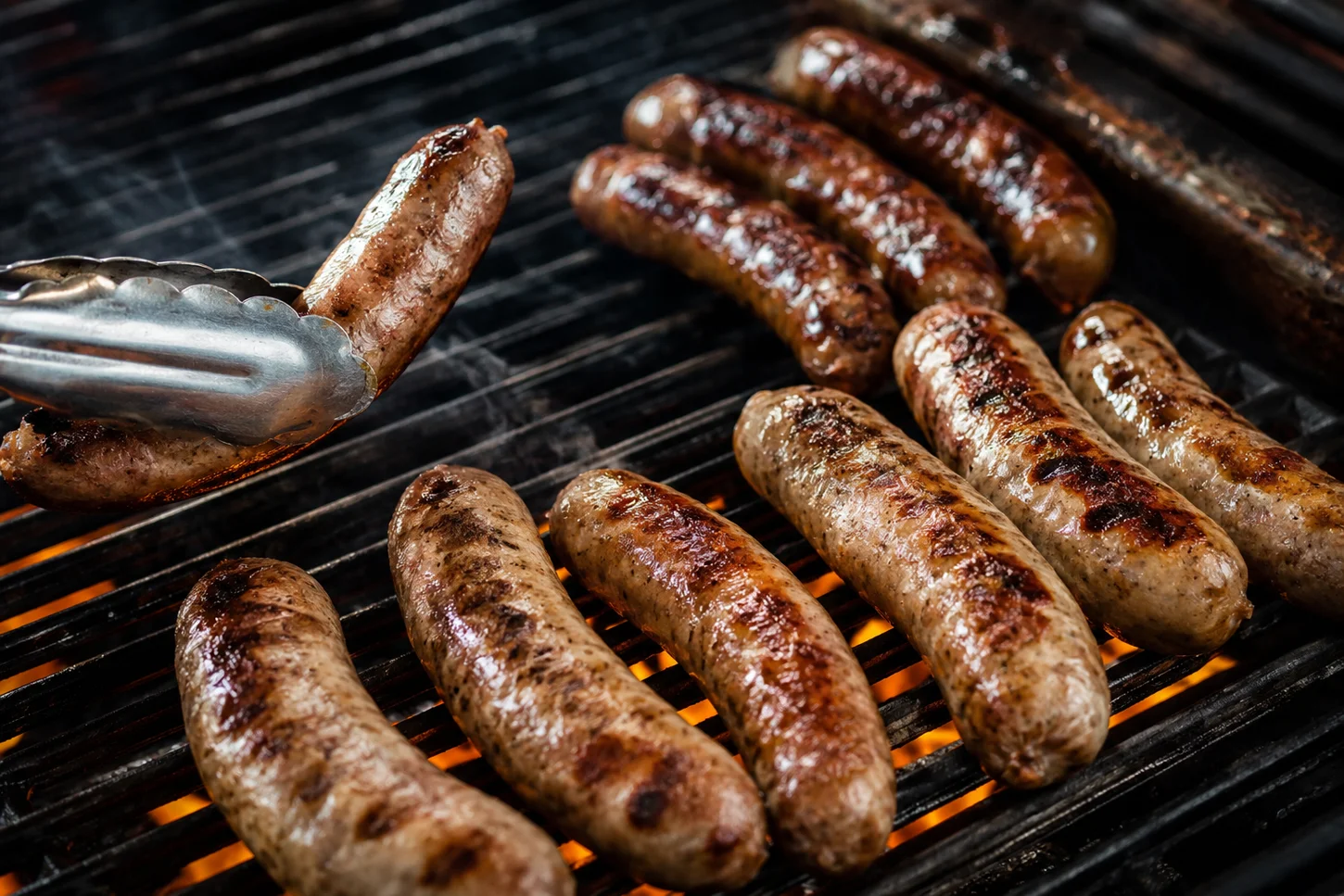
Sausages are one of those rare foods that work any time, any day. Whether you’re throwing a weekend BBQ in the backyard, cooking breakfast for the family, or putting together a quick weeknight dinner, the humble sausage always delivers. But as simple as they seem, cooking sausages well is actually a bit of an art. Get it right and you’ve got a juicy, beautifully browned snag with a crispy skin that practically snaps when you bite it. Get it wrong and you’re left with something burnt on the outside, pink in the middle, or sadly dry all the way through.
In this guide, we’re covering every sausage cooking method you need to know — from pan frying and BBQ grilling to oven baking, air fryers, and even the slow cooker. Whether you’re working with thick gourmet pork sausages, lean chicken snags, or bold beef sausages destined for the grill, there’s a method here that will get you the best results every time.
Let’s get into it.
Is There Really a “Best” Way to Cook Sausages?
Honest answer? It depends. The best way to cook sausages isn’t a one-size-fits-all answer — it comes down to what you’re cooking, how many you’re feeding, and what you want on the plate at the end.
The Answer Depends on the Type of Sausage and the Result You Want
Here’s what different priorities call for when it comes to cooking sausages:
- Juicy interior: Methods that use gentler, more even heat — like oven baking or poaching — help retain moisture inside the casing.
- Crispy skin: Pan frying and BBQ grilling deliver that satisfying snap and caramelised exterior that most people are chasing.
- Smoky flavour: Nothing touches the BBQ or grill when it comes to that charred, smoky depth.
- Convenience: Air fryers and ovens win here — minimal babysitting, minimal mess.
- Cooking for a crowd: The oven is your best friend when you need to cook a large batch of sausages all at once without hovering over the stove.
Understanding what you want from your sausages makes it a lot easier to pick the right method.
Our Verdict at a Glance
| Cooking Method | Juiciness | Crispy Exterior | Ease | Best For |
| Pan Frying | ⭐⭐⭐⭐⭐ | ⭐⭐⭐⭐⭐ | ⭐⭐⭐ | Everyday cooking |
| BBQ/Grill | ⭐⭐⭐⭐ | ⭐⭐⭐⭐⭐ | ⭐⭐⭐ | Summer entertaining |
| Oven | ⭐⭐⭐⭐ | ⭐⭐⭐⭐ | ⭐⭐⭐⭐⭐ | Large batches |
| Air Fryer | ⭐⭐⭐ | ⭐⭐⭐⭐ | ⭐⭐⭐⭐⭐ | Quick meals |
| Boiling + Finish | ⭐⭐⭐⭐⭐ | ⭐⭐⭐⭐ | ⭐⭐ | Thick sausages |
| Slow Cooker | ⭐⭐⭐⭐⭐ | ⭐ | ⭐⭐⭐⭐⭐ | Casseroles |
Before You Start: Tips for Cooking Better Sausages
Before we get into the individual methods, there are a few fundamentals worth getting right. These apply across the board regardless of how you’re cooking your sausages.
Start with Quality Sausages
This one matters more than most people realise. The best sausage cooking technique in the world won’t save a low-quality snag. What to look for:
- Meat content and fat balance: This one surprises people — more meat isn’t always better. A sausage needs a good balance of meat and fat to stay moist during cooking. Very high meat-content sausages (think 97%+) made entirely from lean cuts can actually turn out dense and dry, because there’s not enough fat to keep things juicy. A well-made sausage from a good butcher will have the right ratio built in, which is why fresh butcher sausages consistently outperform ultra-lean “max meat” alternatives.
- Natural casings: Sausages made with natural casings (rather than synthetic ones) give you a better snap, brown more evenly, and are less likely to burst during cooking.
- Fresh butcher sausages: Freshly made sausages from a local butcher are a notch above supermarket alternatives. The difference shows up in the pan — less water, more flavour, and a skin that actually crisps rather than steams.
The quality of what goes in is the single biggest factor in what comes out. It’s why our sausage range at A Place 2 Meat starts with premium cuts and nothing else.
Should You Prick Sausages Before Cooking?
Short answer: no — and most butchers will tell you the same. The idea that you need to pierce sausages before cooking is one of those kitchen myths that refuses to die.
Here’s the reality. The casing on a sausage is what holds in all the fat and juices during cooking. When you prick it, those juices escape into the pan rather than staying inside where they belong. The result is a drier, less flavourful sausage — the exact opposite of what you want.
There are exceptions. Some very densely filled or manufacturer-pre-packaged sausages come with instructions to pierce before cooking — in that case, follow the pack. But for fresh butcher sausages with natural casings, leave them alone and let the heat do its job.
Bring Sausages Closer to Room Temperature
Take your sausages out of the fridge around 15–20 minutes before you plan to cook them. Cooking cold sausages straight from the fridge means the outside heats faster than the inside — which makes it much harder to get an evenly cooked result without burning the exterior.
This small step makes a genuine difference, especially for thicker sausages.
Always Cook to the Correct Internal Temperature
Colour alone is not a reliable guide for sausage doneness. A sausage can look browned and cooked on the outside while still being undercooked in the centre — particularly with thicker varieties.
Use a meat thermometer and aim for:
- Pork, beef, and lamb sausages: minimum 71°C internal temperature
- Chicken or turkey sausages: minimum 74°C internal temperature
A good digital thermometer is one of the most useful tools in the kitchen when it comes to cooking sausages safely and consistently.
Pan Frying – The Classic Favourite
If there’s one method that consistently delivers on flavour, texture, and that golden-brown exterior, it’s pan frying. It’s the go-to for a reason.
Why Pan Frying Is One of the Best Methods
Pan frying gives you direct, controllable heat and a surface that promotes the Maillard reaction — the chemical process that creates deep browning, caramelisation, and that rich, savoury crust on the outside of a sausage. The result is:
- Outstanding browning across the casing
- Even caramelisation for a sweet, rich exterior
- A satisfyingly crispy skin with every bite
- Excellent flavour development that you simply can’t replicate in an oven
Pan fried sausages sit in their own rendered fat as they cook, which also helps baste them throughout the process.
How to Pan Fry Sausages Properly
There are two approaches, depending on how much time you have.
The everyday method (12–18 minutes):
- Set your pan to medium heat — not high. High heat is the enemy of evenly cooked sausages.
- Add a small amount of oil (or none at all if you’re cooking fattier sausages — they’ll render their own).
- Add the sausages and turn them frequently, every 2–3 minutes, to develop colour on all sides without burning one spot.
- Cook for approximately 12–18 minutes depending on thickness.
- Check internal temperature before removing from the heat.
The slow method — for the best possible result (30–40 minutes):
If you have the time, cooking sausages over genuinely low heat for longer produces something noticeably better: a glossy, plump sausage with juices bubbling under the skin and caramelisation building slowly on the base.
- Set your pan to low heat — lower than you think you need.
- Add a very small amount of oil, or none at all for fattier sausages.
- Add sausages and let them cook slowly, turning every 5 minutes or so rather than constantly.
- Cook for 30–40 minutes, allowing colour to develop gradually without rushing.
- Check internal temperature before serving.
The slow method rewards patience — the exterior caramelises deeply and the interior stays moist throughout. It’s not always practical, but when you have the time, it’s hard to beat.
Pros
- Outstanding flavour development
- Crispy, golden skin
- Easy to monitor and adjust as you go
- Perfect for breakfast sausages and thin snags
Cons
- Requires consistent attention — you can’t walk away from the pan
- Can burn quickly if the heat is too high
- Thick sausages may brown on the outside before the centre reaches temperature
Pro Tip
For thicker sausages, cover the pan with a lid for the first 5–6 minutes. This traps steam and gently cooks the interior while the exterior browns. Alternatively, add a small splash of water to the pan before putting the lid on — the steam will help cook the inside through before you remove the lid and finish with a dry, direct heat for crispiness.
Oven-Baked Sausages – Best for Feeding a Crowd
When you need to cook a large number of sausages without standing over a stove, the oven is your best friend. Oven baked sausages are consistent, hands-off, and surprisingly good.
Why Baking Works So Well
The oven provides all-around, even heat — which means every sausage in the tray gets the same treatment. There’s no hot spot in the pan, no need to constantly turn them by hand, and very little mess to clean up afterwards. It’s a genuinely underrated method for producing reliably good sausages with minimal effort.
Baking also makes it easy to cook sausages alongside other ingredients — roasted vegetables, onions, potatoes — all on one tray for a complete meal.
How to Bake Sausages
- Preheat your oven to 180–200°C.
- Place sausages on a lined baking tray or wire rack.
- Roast for 20–30 minutes, turning halfway through for even browning.
- Check internal temperature before serving.
Pros
- Consistent, even cooking with no hotspots
- Cook large batches without effort
- Much less splatter than pan frying
- Perfect for sheet-pan meals with vegetables
Cons
- Doesn’t develop quite as much browning or flavour as pan frying
- Can dry out slightly if left in too long
Best Oven Tips
- Use a wire rack over a lined tray for better airflow around the sausages. This promotes more even browning and stops them sitting in their own rendered fat.
- Don’t overcrowd the tray. Sausages packed together trap steam and end up steaming rather than roasting.
- Keep an eye on time — oven-baked sausages are easy to overcook. Pull them out as soon as they hit temperature.
Air Fryer Sausages – Fast and Convenient
Air fryers have become a staple in Australian kitchens, and yes, they work well for sausages — with a few caveats worth understanding before you fire one up.
Why Air Fryers Have Become Popular
The appeal is clear: minimal oil, very fast cooking times, and almost no mess. For a quick weeknight dinner when you don’t want to clean a frying pan, the air fryer is genuinely convenient.
How to Cook Sausages in an Air Fryer
- Preheat the air fryer to around 180°C.
- Place sausages in a single layer in the basket — don’t stack them.
- Cook for 10–15 minutes, turning halfway through.
- Check internal temperature before serving.
Pros
- Fast — most sausages are done in under 15 minutes
- Produces a crispy exterior
- Energy efficient
- Very little mess or splatter
Cons
There are some genuine limitations with the air fryer that are worth knowing:
- The circulating hot air renders fat very quickly, which can dry sausages out more easily than other methods — particularly with lean or gourmet sausages.
- Cooking at too high a temperature can make the skin tougher rather than crispy.
- It’s easy to overcook because of how efficiently hot air moves around the basket.
- Basket size means limited capacity for larger families — you may need to cook in batches.
Community cooks frequently report drier skins when air fryer temperatures are set too high. Premium or gourmet sausages tend to perform better at lower temperatures with a little more time.
Pro Tips
- Lower the temperature slightly (around 170°C) for premium or gourmet sausages.
- Don’t overcrowd the basket — single layer only.
- Check them a few minutes early to avoid overcooking.
- Lightly spray lean sausages with a little oil before cooking to help retain moisture.
BBQ and Grilling – The Australian Favourite
There’s something very particular about Australians and their relationship with the BBQ. A sausage cooked over a hot grill on a summer afternoon, slapped in a slice of white bread with onion and sauce — it’s practically a cultural institution. And for good reason.
Why Australians Love BBQ Sausages
Grilling delivers something no other cooking method can fully replicate: genuine smoky flavour that penetrates the casing, a beautifully charred exterior, and the kind of crisp snap that comes from direct heat contact. BBQ sausages are perfect for outdoor entertaining, family gatherings, and the quintessential Australian summer.
How to Grill Sausages Without Burning Them
This is where most people go wrong. High, direct heat from the start is a fast track to burnt outsides and raw centres.
- Start with the BBQ or grill plate at medium heat.
- For thick sausages, start over indirect heat to gently cook the interior.
- Once the sausage is mostly cooked through, finish over direct heat for colour and caramelisation.
- Turn regularly throughout the process.
Pros
- Unbeatable smoky flavour
- Excellent browning and char marks
- Authentic Australian BBQ experience
- Great for feeding large groups outdoors
Cons
- High heat can split the casing if you’re not careful
- Easy to burn the outside before the centre cooks through
- Fat dripping onto flames causes flare-ups, which can scorch the skin
Pro Tips
The reverse approach works extremely well on a BBQ: cook gently over indirect heat first to bring the sausage close to temperature, then move it over direct heat to finish with colour and crispiness. Many experienced grillers and cooking experts also recommend par-boiling or gently poaching thicker sausages before putting them on the grill — it ensures the interior is cooked through before the exterior has any chance to burn.
Boiling or Poaching – Underrated but Effective
Boiling sausages tends to get a bad reputation, and frankly it deserves it — if done wrong. But poaching? That’s a different story entirely.
Is Boiling Sausages a Good Idea?
Boiling sausages at a rolling boil is not ideal. The aggressive heat can split the casing, cause the skin to go soft and pale, and strip away a lot of the flavour into the water. It’s not a great standalone method.
Poaching, however — a gentle simmer rather than a full boil — is an excellent first stage, especially for thick gourmet sausages that can be hard to cook through without burning the outside.
How to Poach Sausages
- Bring a pot of water (or stock, for extra flavour) to a gentle simmer — not a rolling boil.
- Add sausages and poach for 8–10 minutes.
- Remove from the water and finish in a frying pan or on the BBQ to develop colour and crispiness.
- Check internal temperature.
Pros
- Produces very juicy sausages
- Ensures even cooking all the way through
- Great for thick sausages that would otherwise burn before cooking through
- Significantly reduces the risk of a burnt exterior over raw interior
Cons
- Little colour or browning if you stop at the poaching stage
- Skin can become soft if not finished in another method
- Adds a step compared to other methods
- Some flavour and fat does leach into the poaching water, which means the finished sausage — while very moist — can taste slightly less intense than one slow-fried in its own rendered juices. If maximum flavour is the goal and you have the time, the slow pan fry is actually the stronger single-method option.
Best Uses
Poaching works best as a first-stage method for:
- Bratwurst and European-style thick sausages
- Thick gourmet sausages like our gluten-free thick pork sausages — par-poach first, then finish in the pan or on the BBQ for outstanding results
- Any sausage you plan to finish on the BBQ for added crispiness and smoky finish
Slow Cooker Sausages
The slow cooker is a completely different beast when it comes to cooking sausages — and it’s not trying to compete with the BBQ or the frying pan. It has its own lane, and in that lane, it’s excellent.
When Slow Cooking Works Best
The slow cooker isn’t the method for a crispy-skinned sausage. What it does exceptionally well is low-and-slow cooking in liquid, which makes it ideal for:
- Sausage casseroles with rich tomato or vegetable bases
- Curried sausages — one of Australia’s most beloved winter comfort foods
- Sausages in onion gravy — thick, sticky, deeply savoury
- Any slow-braised sausage dish where you want deeply tender results and a rich, developed sauce
Pros
- Sausages become extremely tender and absorb the surrounding flavours beautifully
- Rich, developed sauce flavours from long cooking times
- Completely hands-off once everything is in the pot
- Perfect for batch cooking and meal prep
Cons
- No crispy skin — the skin is soft throughout
- Not suited to serving on bread or as a standalone grilled sausage
- Better as part of a saucy dish than as a centrepiece on its own
Can You Cook Sausages from Frozen?
It’s a common question, and the answer is yes — but with some important qualifications.
Is It Safe?
Cooking sausages from frozen is safe provided they reach the correct internal temperature throughout. The concern with frozen sausages is uneven cooking: the outside can reach temperature and start to brown while the centre is still cold or partially frozen.
For best results:
- Fresh sausages should always be thawed before cooking — they cook more evenly and the texture is significantly better.
- If cooking from frozen, always follow package instructions and use a thermometer to verify the internal temperature before eating.
Best Methods for Frozen Sausages
If you must cook from frozen, some methods handle it better than others:
| Method | Notes |
| Oven | Best option for frozen sausages — even, all-around heat. Add 50% to the normal cooking time. |
| Air Fryer | Works reasonably well at a lower temperature (160–170°C). Extend cooking time and check temperature. |
| Pan Frying | Possible but tricky — keep heat low and be patient. Cover the pan to promote even cooking. |
| BBQ | Least recommended for frozen sausages — high, direct heat is too difficult to manage without burning the outside. |
Whatever method you use with frozen sausages, add significant extra cooking time and always check with a thermometer.
Common Mistakes That Ruin Sausages
Most sausage disasters come down to the same handful of errors. Here’s what to avoid.
Cooking Over High Heat
The most common mistake. High heat browns the exterior very fast, but the inside can’t keep up. You end up with a sausage that’s burnt on the outside and undercooked in the middle. Medium heat, always.
Constantly Piercing the Casing
As covered above — don’t do it. Every pierce is a point where precious moisture and fat escapes. Leave the casing intact and let it do its job.
Overcrowding the Pan
Sausages packed too tightly together trap steam between them and end up steaming rather than frying. Give them space so the heat can circulate properly and browning can develop on all sides.
Not Turning Regularly
Sausages aren’t meant to sit on one side and forget. Turn them regularly — every 2–3 minutes — so colour develops evenly all the way around.
Overcooking
Overcooked sausages are dry, tight, and unpleasant. Use a thermometer to pull them off the heat at the right internal temperature rather than guessing by time or appearance alone.
Judging Doneness by Colour Alone
A sausage can look perfectly cooked on the outside and still be dangerously undercooked inside — particularly thick varieties. Always use a digital meat thermometer. It takes seconds and removes all guesswork. Aim for 71°C for pork, beef, and lamb; 74°C for chicken and turkey.
Which Cooking Method Is Best for Different Types of Sausages?
Not all sausages are created equal, and the best method often depends on the specific type you’re working with.
Thick Gourmet Sausages
Thick sausages are the ones most likely to burn on the outside before cooking through. The winning approach:
- Poach + pan fry: Poach for 8–10 minutes, then finish in a hot pan for colour and crispiness.
- Poach + BBQ: Same principle — par-poach to cook through, then grill for smoky flavour and a charred exterior.
This combination method consistently delivers the juiciest, most evenly cooked thick sausages.
Thin Breakfast Sausages
Thin sausages cook quickly and don’t need the same careful heat management. Pan frying on medium heat for 8–12 minutes is the ideal method — it develops a beautiful golden-brown crust without any risk of the centre being underdone.
Beef Sausages
Beef sausages are built for high-heat methods. They have a bold, robust flavour that stands up to the grill, making them excellent candidates for:
- BBQ/Grill — smoky, charred, and intensely flavoured
- Pan frying — great for browning and everyday cooking
Try our gluten-free beef Worcestershire cracker pepper sausages on the BBQ — the pepper and Worcestershire notes develop beautifully over direct heat.
Chicken Sausages
Chicken sausages are leaner than pork or beef, which means they dry out faster under aggressive heat. Best methods:
- Oven baking at 180°C for even, gentle cooking
- Air fryer — but monitor carefully and use a lower temperature (around 170°C) to avoid drying them out
Always check internal temperature — chicken sausages need to reach 74°C.
Lamb Sausages
Lamb sausages have a distinctive, rich flavour that pairs exceptionally well with the BBQ. Pan frying also works beautifully. Try our lamb sausages or the gluten-free lamb rosemary and mint sausages — the herb notes bloom wonderfully over a hot grill or in a cast-iron pan.
Gluten-Free Sausages
The good news is that gluten-free sausages are cooked exactly the same way as their conventional counterparts — same temperatures, same methods, same rules. The one thing to watch: leaner gluten-free varieties (particularly chicken-based ones) may dry out faster than regular sausages. Keep heat moderate and don’t overcook. Our gluten-free Texan chilli sausages and gluten-free thick pork sausages all respond well to the poach-then-pan-fry or poach-then-grill approach for maximum juiciness.
Frequently Asked Questions
Should You Prick Sausages Before Cooking?
No. Pricking sausages lets the fat and juices escape into the pan rather than staying inside the casing where they add moisture and flavour. For fresh butcher sausages with natural casings, leave them intact. The only exception is if the packaging specifically instructs you to pierce them before cooking.
Why Do Sausages Split?
Sausages split when heat is too high too fast. The fat inside expands rapidly and forces the casing apart. Keep heat at medium, especially at the start of cooking, and your casings will stay intact.
Why Are My Sausages Dry?
The most common causes are overcooking, cooking at too high a temperature, or piercing the casing before cooking. Air fryers are particularly prone to drying sausages out if the temperature is set too high or they’re left in too long.
Why Are They Burnt Outside but Raw Inside?
This is a heat management problem — almost always caused by cooking at too high a temperature. Drop the heat to medium and consider par-poaching thick sausages before finishing them in the pan or on the grill.
How Do You Keep Sausages Juicy?
- Start with quality, high-meat-content sausages
- Don’t prick the casing
- Keep heat at medium or below
- Don’t overcook — use a thermometer
- For thick sausages, consider the poach-then-pan-fry or poach-then-grill method
What’s the Healthiest Way to Cook Sausages?
Baking and gentle poaching require little to no added fat, making them the lower-fat options. Grilling allows fat to drip away, which can reduce overall fat intake — but charring and heavy blackening create potentially harmful compounds regardless of the method used. Avoid blackening sausages no matter how you cook them. No method makes a sausage a health food, but moderate cooking with good technique keeps things as sensible as possible.
Final Verdict: What’s the Best Way to Cook Sausages?
Here’s the summary you came for:
| Priority | Best Method |
| Best Overall | Pan frying |
| Best Flavour | BBQ/Grill |
| Best for Thick Gourmet Sausages | Poach + pan fry or grill |
| Best for Convenience | Oven |
| Fastest | Air fryer |
| Best for Winter Meals | Slow cooker |
| Best for Feeding a Crowd | Oven baking |
At the end of the day, the best way to cook sausages is whichever method cooks them evenly all the way through, keeps them juicy, and delivers a beautifully browned exterior without burning or drying them out. Start with quality sausages, respect the heat, and use a thermometer — and you’ll rarely go wrong regardless of which method you choose.
Get the Best Sausages in Brisbane from A Place 2 Meat
All of this comes down to one thing: great cooking starts with great ingredients. The techniques in this guide will absolutely make a difference — but they’ll make the most difference when you’re working with sausages that are made with real cuts of meat, natural casings, and nothing artificial.
At A Place 2 Meat, we handcraft our sausages fresh at our Brisbane butcher shop. Everything is hormone-free and made without shortcuts. Whether you’re after our bold traditional Italian sausages, our gluten-free thick pork sausages, our lamb rosemary and mint sausages, or our crowd-favourite gluten-free Texan chilli sausages, you’ll taste the quality from the first bite.
Browse our full sausage range here and have them delivered fresh to your door anywhere in Brisbane. Good sausages deserve to be cooked well — and now you know exactly how to do it.