
About Us
Our meat is always fresh, hand-cut, delicious and prepared with care. We pride ourselves on the quality of meat we sell to our customers because we value you!
Contact Info
- 110/400 Newmarket Road, Newmarket QLD 4051
- +0738564216
- 110/400 Newmarket Road, Newmarket QLD 4051
- +0738564216
How to Make Crispy Chips: A Guide for Every Method
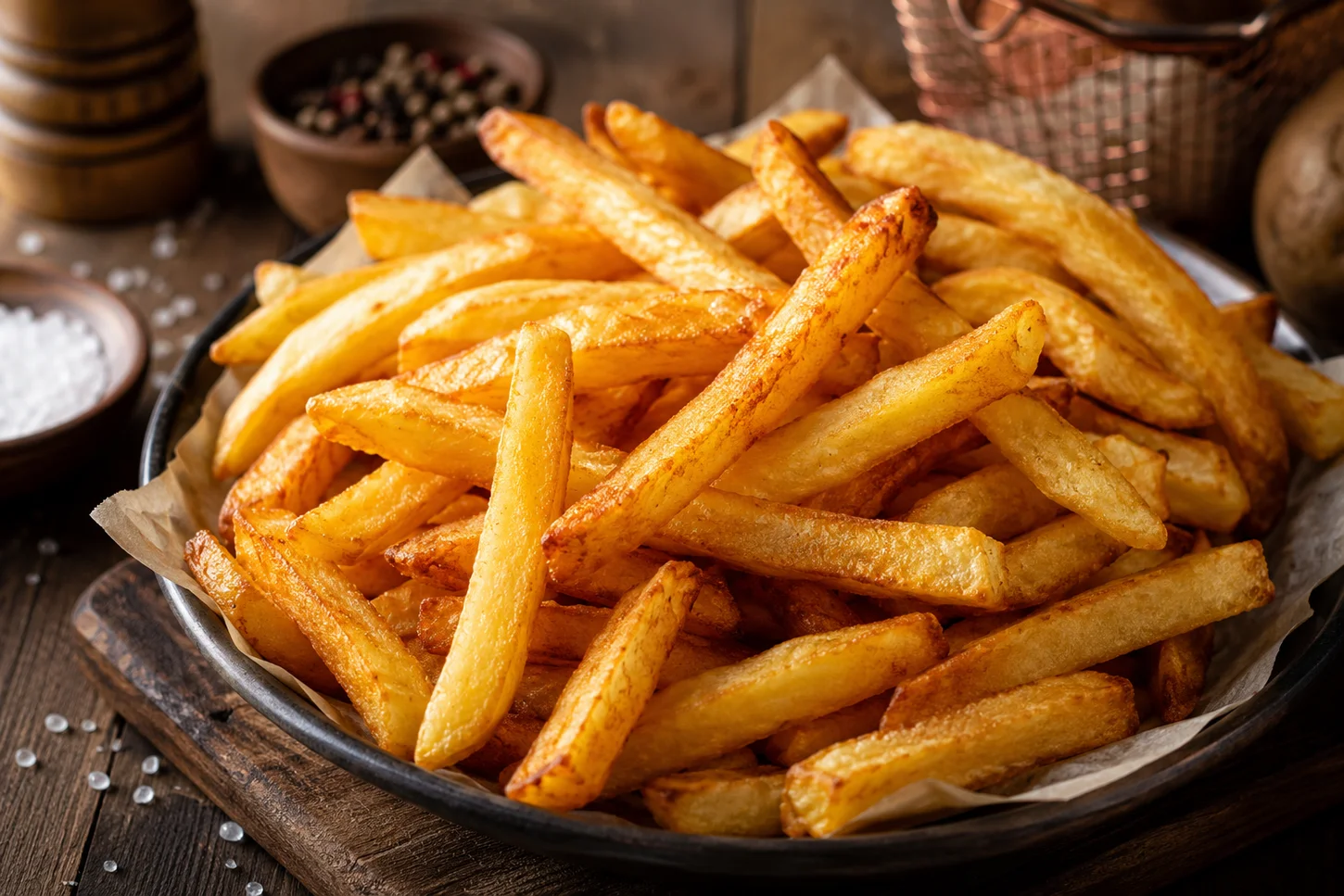
There is nothing better than perfectly crispy chips. That first bite — the shatter of a golden, crunchy exterior giving way to a fluffy, steaming potato centre — followed by that satisfying salty finish. Whether they’re sitting alongside a thick-cut steak, tucked next to a juicy burger, or piled high next to something fresh off the grill, crispy chips are the ultimate companion to great meat.
The problem? Most homemade chips fall short. They come out pale, soggy, oily, or lose their crunch within minutes of leaving the fryer. Sound familiar?
Here’s the truth: perfectly crispy chips aren’t about luck. They come down to a handful of non-negotiable principles — choosing the right potato, controlling moisture, removing excess surface starch, understanding how different cooking methods behave, and knowing when (and how) to use starch coatings to build that satisfying crunch.
This guide covers every method worth knowing: traditional deep-fried chips, double-fried restaurant-style chips, oven-baked chips, air fryer chips, starch-coated extra crispy chips, parboiled pub-style chips, and a frozen-style batch method for when you want to prep ahead. Whether you’re cooking for a weeknight dinner or a weekend BBQ spread, you’ll find the method that works for you.
What Makes Chips Crispy?
Before diving into recipes, it helps to understand the science — because once you know why chips go crispy (or don’t), the methods all start making sense.
Moisture Control
Potatoes are mostly water. That’s both their charm and their biggest obstacle when it comes to achieving a crispy result. For chips to develop a golden, crunchy crust, you need to:
- Remove as much surface moisture as possible before cooking
- Allow steam to escape during the cooking process
- Create a dry outer shell that can brown properly
Wet potatoes hitting hot oil don’t fry — they steam. Steaming produces soft, pale, greasy chips that disappoint every time. Dryness is everything.
Starch and Texture
Potato starch plays a crucial role in the texture of your finished chips. Starch naturally creates structure when it’s heated, but too much surface starch can cause chips to stick together during frying and create an uneven result.
Rinsing and soaking chips in cold water removes excess surface starch and prevents clumping. Soaking helps hydrate starch granules and flush away loose starch from the cut surface — and thorough drying after soaking is essential for a crisp finish. Adding a thin cornstarch coating before frying creates a reliable extra-crispy shell that holds up better and for longer.
Choosing the Best Potatoes for Crispy Chips
Not all potatoes are created equal when it comes to chips. The ideal frying potato is high in starch, low in moisture, and capable of becoming fluffy inside while crisping up on the outside.
Recommended Varieties
| Potato | Profile | Best For |
| Russet | Very high starch, dry flesh | Classic American-style fries |
| Sebago | Good starch-to-moisture balance, widely available | Everyday chips, pub-style chips |
| Agria | Excellent frying potato, golden colour, fluffy interior | Restaurant-quality chips |
| Yukon Gold | Slightly creamier, all-round performer | Thicker-cut chips |
What to Avoid
Steer clear of waxy potatoes, new potatoes, and any variety that tends to stay firm after cooking. These types hold onto their structure in a way that works against you — you’ll end up with dense, chewy chips instead of a fluffy interior with a crispy shell.
In Brisbane and across Australia, Sebago is the easiest high-starch potato to find at most supermarkets and greengrocers. For something a step up in quality, look for Agria at specialty grocers or farmers markets.
Preparing Potatoes Before Cooking
Good chips start long before oil or heat enters the picture. Preparation is where crispy chips are made or lost.
Step 1: Cutting Your Chips
The thickness of your cut determines the final character of your chip:
- Thick-cut chips — pub-style, steakhouse chips. More fluffy interior, substantial bite. These pair brilliantly with a big piece of meat.
- Thin-cut fries — maximum crispiness, faster cooking time, more surface area exposed to heat.
Whatever thickness you choose, keep your cuts consistent. Uneven chips cook at different speeds, meaning some will be overdone before others are ready.
Step 2: Soaking Chips in Cold Water
Soaking is not optional if you want crispy chips. Here’s what it does:
- Removes excess surface starch that causes sticking and uneven frying
- Prevents chips from clumping together in the oil
- Helps create a crispier exterior once they hit the heat
Soaking times:
| Method | Time | Result |
| Quick soak | 30 minutes | Noticeably better than no soak |
| Standard soak | 2–4 hours | Reliably great results |
| Overnight soak | 12–16 hours (refrigerated) | Maximum starch removal |
If you’ve got the time, longer is better — but even a half-hour soak makes a real difference.
Step 3: Drying Chips Properly
After soaking, drain your chips completely and pat them dry with clean kitchen towels. If you have time, spread them out on a rack and let the remaining surface moisture evaporate for a few minutes.
This step matters because:
- Water creates steam when it contacts hot oil
- Steam prevents browning (Maillard reaction requires a dry surface)
- Wet potatoes absorb significantly more oil, making chips greasy
Don’t rush this step. Thoroughly dry potatoes = dramatically crispier chips.
Method 1 — Classic Deep Fried Crispy Chips
The traditional chip shop method. No tricks, no shortcuts — just proper technique.
What You Need
- High-starch potatoes (Sebago or Agria)
- High smoke point oil (canola, peanut, or vegetable)
- Salt
- Deep fryer or heavy-bottomed pot
- Cooking thermometer
- Wire rack
Step-by-Step
Step 1: Cut your potatoes and soak in cold water for at least 30 minutes (longer is better).
Step 2: Drain and dry thoroughly. Pat with towels and let them air for a few minutes.
Step 3 — First Fry (Blanching Stage):
- Oil temperature: 140–150°C
- Time: approximately 4–6 minutes
- Purpose: This low-temperature first fry cooks the potato interior through and softens the flesh without browning the surface. You’re not looking for colour here — you’re building the fluffy centre.
Step 4 — Rest: Remove chips from oil and spread on a wire rack. Allow them to rest for at least 10 minutes. Resting allows moisture to redistribute and creates a better contrast between the fluffy interior and the crispy shell that forms in the second fry.
Step 5 — Second Fry (Crisping Stage):
- Oil temperature: 175–190°C
- Time: 2–4 minutes, until deep golden
- Purpose: This high-heat second fry creates the golden colour and develops the crispy crust.
The logic is simple: the first fry builds the fluffy interior, the second fry builds the crust. You can’t rush both at once.
Immediately after removing from oil, season with salt and serve on a wire rack (not paper towels, which trap steam).
Method 2 — Extra Crispy Chips Using Cornstarch
If classic double-fried chips are a 9 out of 10, cornstarch-coated chips push it to an 11. This is the method restaurants use to get that satisfying crunch that holds longer than regular chips.
Why Starch Coatings Work
A thin coating of cornstarch creates a fine outer shell around each chip before frying. When that shell hits hot oil, it sets almost instantly and creates a crispier, more durable crust than potato skin alone. Chips coated this way:
- Shatter more satisfyingly when you bite them
- Hold their crunch longer (great for serving to a crowd)
- Develop a more even golden colour
Cornstarch Method — Step by Step
- Cut potatoes to your desired thickness
- Soak in cold water for at least 30 minutes
- Drain and dry completely — this is even more important with a starch coating
- Lightly toss chips in cornstarch until just coated (a thin dusting, not a batter)
- Spread on a rack and allow the coating to dry for 5–10 minutes
- Fry using the double-fry method described above
The results speak for themselves — cornstarch chips come out with a texture that’s noticeably superior to uncoated chips.
Cornstarch vs Potato Starch vs Tapioca Starch for Crispy Chips
Not all starches behave the same way in hot oil. Here’s a quick breakdown:
Cornstarch
- Creates a light, thin, crispy coating
- Good crunch with a clean finish
- Easy to find in any supermarket
- Works reliably for French fries, thin chips, and extra crispy coatings
- Best all-round choice for most home cooks
Potato Starch
- Produces a very crisp texture
- Excellent for fried foods generally
- Has a lower gelatinisation temperature than cornstarch, which can create slightly different textural results depending on your frying method
- Worth experimenting with if you can source it easily
Tapioca Starch
- Creates a very crunchy coating in theory
- Can become sticky during the early stages of frying, causing chips to clump or adhere to the fryer basket
- In practice, tapioca starch tends to cause noticeably more sticking during the first frying stage compared with cornstarch
Verdict: For most home cooks, cornstarch is the easiest and most consistent performer. It’s affordable, widely available, and delivers results that rival what you’d get at a restaurant.
Method 3 — Crispy Oven-Baked Chips
If deep frying isn’t your thing, oven chips can absolutely be crispy — they just need a bit more attention than most recipes suggest.
The non-negotiables for crispy oven chips:
- Remove as much moisture as possible before baking
- Use enough oil to coat every surface
- Spread chips out with space between them (crowding = steaming)
- Use a high oven temperature
How to Make Crispy Oven Chips
- Soak cut potatoes for at least 30 minutes, then drain and dry thoroughly
- Toss chips in oil (you need a proper coating — don’t be stingy)
- Optional: dust lightly with cornstarch before adding oil for extra crunch
- Add seasoning
- Spread on a baking tray lined with baking paper — single layer, no touching
- Bake at 220°C (fan-forced)
- Turn chips halfway through cooking
Common Oven Chip Mistakes to Avoid
- Overcrowding the tray — this is the number one cause of soggy oven chips. Use two trays if needed.
- Baking wet potatoes — if they’re not thoroughly dried, they steam before they brown.
- Too little oil — oil is what allows browning. Underoiled chips go pale and soft.
Method 4 — Air Fryer Crispy Chips
Air fryers have earned their place in Brisbane kitchens for good reason. They produce chips with noticeably less oil than deep frying, clean up quickly, and deliver a solid crunch.
Benefits
- Uses a fraction of the oil of deep frying
- Convenient for smaller batches
- Faster cleanup
How to Make Air Fryer Chips
- Soak and dry your potatoes using the standard method
- Lightly coat in oil — just enough to coat each piece
- Optional: add a light cornstarch dusting before oiling for extra crispiness
- Air fry at 180–200°C
- Shake the basket every 5–6 minutes to ensure even cooking
- Cook in batches — overcrowding the air fryer basket produces the same steaming problem as overcrowding a baking tray
The result won’t be identical to double-fried chips, but it’s a genuinely great option for a weeknight side that comes together quickly.
Method 5 — Parboiled Chips for Maximum Fluffiness
This is the pub-style secret that most home cooks don’t bother with — and they’re missing out. Parboiling before frying or baking gives you:
- A roughened, uneven chip surface that creates more texture during cooking
- A genuinely fluffy, almost pillowy interior
- More surface area exposed to heat, which means more crispiness
How to Parboil Chips
- Cut potatoes into your preferred thickness
- Place in salted cold water, bring to a simmer
- Cook just until the outside is soft enough to roughen when stirred — usually 5–7 minutes. Don’t cook them through completely.
- Drain carefully and let the steam escape fully (shake the pan gently to rough up the edges)
- Allow to cool and dry before frying or baking
The rough, floury exterior that forms after parboiling is what creates those craggy edges that go extra crispy. It’s the same principle behind perfect roast potatoes.
Method 6 — Frozen-Style Homemade Chips
Want to prep chips ahead and have them ready to cook any night of the week? This is how restaurants do it — and you can replicate it at home.
Why Freeze Chips?
Many commercial chips are partially cooked and then frozen before the final fry. Freezing actually helps chips crisp up better because:
- Ice crystals disrupt the starch structure
- The surface becomes even drier during frying
- You can cook them straight from frozen for a satisfying crunch
How to Make Frozen-Style Chips at Home
- Cut and soak potatoes in the usual way
- Blanch in oil at 140–150°C for 3–4 minutes (first fry stage)
- Drain and dry on a wire rack
- Freeze in a single layer until solid, then transfer to a freezer bag
- To serve: fry directly from frozen at 175–190°C until golden and crispy
This method is ideal for batch cooking. Make a big batch on Sunday and you’ve got a great side dish ready to go all week.
Common Mistakes That Make Chips Soggy
Even with the right method, a few common errors will ruin your chips every time.
| Mistake | Why It Matters |
| Using the wrong potatoes | Waxy potatoes won’t go fluffy inside and resist crisping |
| Skipping soaking | Excess surface starch causes sticking and uneven texture |
| Not drying potatoes | Moisture creates steam, which prevents browning |
| Overcrowding the fryer or air fryer | Chips steam each other instead of frying |
| Single-temperature cooking | One fry can’t build a fluffy interior and a crispy exterior at the same time |
| Salting too early | Salt draws moisture out of the potato — always season immediately after cooking, not before |
That last one trips up a lot of home cooks. Salt draws moisture, which works against everything you’ve done to dry out your chips. Season the second they come out of the oil, not before.
Best Oils for Crispy Chips
The oil you choose affects both flavour and frying performance. Here’s what you need to know:
| Oil | Flavour | Performance | Notes |
| Canola oil | Neutral | Good | Affordable, widely available, suitable smoke point |
| Peanut oil | Slightly nutty | Excellent | High smoke point, great frying performance |
| Beef dripping / tallow | Rich, savoury, beefy | Outstanding | Traditional steakhouse flavour — pairs perfectly with chips served alongside steak |
| Vegetable oil | Neutral | Good | Common household option, works reliably |
Always choose an oil with a smoke point well above your frying temperature. Oils that smoke during frying break down, produce off-flavours, and create a greasy result.
For a truly steakhouse-quality chip experience, beef dripping or tallow is hard to beat. The flavour that develops is something else entirely — rich, savoury, and deeply satisfying alongside a quality piece of beef.
How to Keep Chips Crispy After Cooking
Chips are at their best the moment they leave the fryer. But if you’re cooking for a group, here’s how to maintain crispiness:
- Serve immediately whenever possible
- Use wire racks instead of paper towels — paper towels trap steam underneath and turn your crispy chips soggy within minutes
- Avoid covering hot chips — even a loose covering traps steam
- Keep batches warm in a low oven (100°C) on a wire rack while you finish cooking subsequent batches
The wire rack rule is the single most underrated tip in home chip cooking. It’s a simple switch that makes a noticeable difference.
Best Seasonings for Homemade Chips
Once your chips are out of the oil, the seasoning possibilities open up.
Classic
- Flaky sea salt — you can’t go wrong
Steakhouse Style
- Garlic salt, cracked black pepper, fresh rosemary — perfect alongside a thick-cut beef steak
BBQ Style
- Smoked paprika, onion powder, a pinch of cayenne — great with grilled meats and burgers
Loaded Chips
- Melted cheese, crispy bacon bits, sour cream, jalapeños — when you want to go all-in
Season immediately after cooking while the chips are still glistening. Seasoning sticks better and tastes more vibrant when the chips are hot.
What Chips Pair Best With? (And What to Cook Alongside Them)
Chips are a side dish, but they’re the kind of side dish that elevates everything around them. Here’s how to match your chip style to your main:
Steak
Thick-cut chips cooked in beef dripping are the classic steakhouse pairing. The richness of the fat, the fluffy interior, the savoury crunch — it all works together perfectly. Go double-fried or parboiled for maximum impact. Our Bloody Good Steak is made for this pairing.
Beef Burgers
Thin, crispy fries are the natural partner for a smashed or stacked burger. Cornstarch-coated, double-fried fries hold up especially well against a juicy patty. Pair them with our Angus Beef Burger Patties for a proper Brisbane backyard burger night.
Schnitzels
Classic pub-style chips — thick, fluffy, golden — are the natural partner for a schnitzel. The simplicity of salt and a squeeze of lemon is all you need here. Check out our Beef Snitzel and Chicken Snitzel — both ready to cook and built for exactly this combo.
BBQ Meats and Kebabs
Seasoned chips — smoked paprika, garlic, cracked pepper — work brilliantly alongside anything coming off the grill. Our Eye Fillet Beef Kebabs are a natural fit when you want something a bit more special.
Frequently Asked Questions
How do you make chips extra crispy?
Start with high-starch potatoes (Sebago or Agria), soak them in cold water for at least 30 minutes, dry them thoroughly, and use the double-fry method. For an extra crunch upgrade, coat lightly in cornstarch before the second fry.
Should you soak chips before frying?
Yes — always. Soaking removes excess surface starch, prevents chips from sticking together, and significantly improves the final texture. Even a 30-minute soak makes a noticeable difference.
Is cornstarch better than potato starch for chips?
Cornstarch is generally the most reliable and consistent option for home cooks. It creates a thin, even crispy coating and behaves predictably in hot oil. Potato starch and tapioca starch can produce excellent results too, but they behave differently — tapioca starch in particular can cause clumping during the first fry.
How long should chips soak before frying?
At minimum, 30 minutes. For the best results, soak for 2–4 hours, or refrigerate overnight (up to 12–16 hours) for maximum starch removal and improved texture.
Why are my homemade chips not crispy?
Most likely culprits: excess moisture (not soaked or not dried properly), wrong potato variety (waxy potatoes resist crisping), oil temperature too low, or overcrowding the fryer or air fryer. Run through the checklist — usually one of these is the issue.
Can I make crispy chips without deep frying?
Absolutely. The oven and air fryer methods in this guide can produce genuinely crispy chips when you follow the preparation steps (soaking, drying, not overcrowding). The double-fry or parboil methods produce the most dramatic results, but oven and air fryer chips are great weeknight options.
The Perfect Chip Deserves the Perfect Meat
Here’s the thing: crispy chips on their own are satisfying. Crispy chips alongside quality, freshly cut meat? That’s a proper meal.
At A Place 2 Meat, everything is halal-certified, hormone-free, and hand-cut fresh — none of the supermarket compromises you’ve learned to put up with. Whether you’re planning a steak night with proper thick-cut chips on the side, a burger session with thin crispy fries, or a schnitzel dinner that would make any pub jealous, we’ve got the meat sorted for you.
Browse our range online and order for delivery across Brisbane:
- Bloody Good Steak — the ultimate partner for thick-cut, double-fried chips
- Angus Beef Burger Patties — pair with thin crispy fries for a backyard burger worth talking about
- Beef Snitzel — pub-night perfection alongside golden pub-style chips
- Chicken Snitzel — a family favourite that chips were practically invented for
- Eye Fillet Beef Kebabs — grill night just got an upgrade
Order online for Brisbane delivery and have your meat ready when your chips come out of the fryer.
🥩 Fry the Ultimate Chips in Traditional Beef Tallow
Take your homemade chips to the next level with pure, free-range beef tallow. Plus, grab hand-cut steaks or kebabs from our Newmarket butcher counter.