
About Us
Our meat is always fresh, hand-cut, delicious and prepared with care. We pride ourselves on the quality of meat we sell to our customers because we value you!
Contact Info
- 110/400 Newmarket Road, Newmarket QLD 4051
- +0738564216
- 110/400 Newmarket Road, Newmarket QLD 4051
- +0738564216
What’s the Difference Between Black and White Pudding?
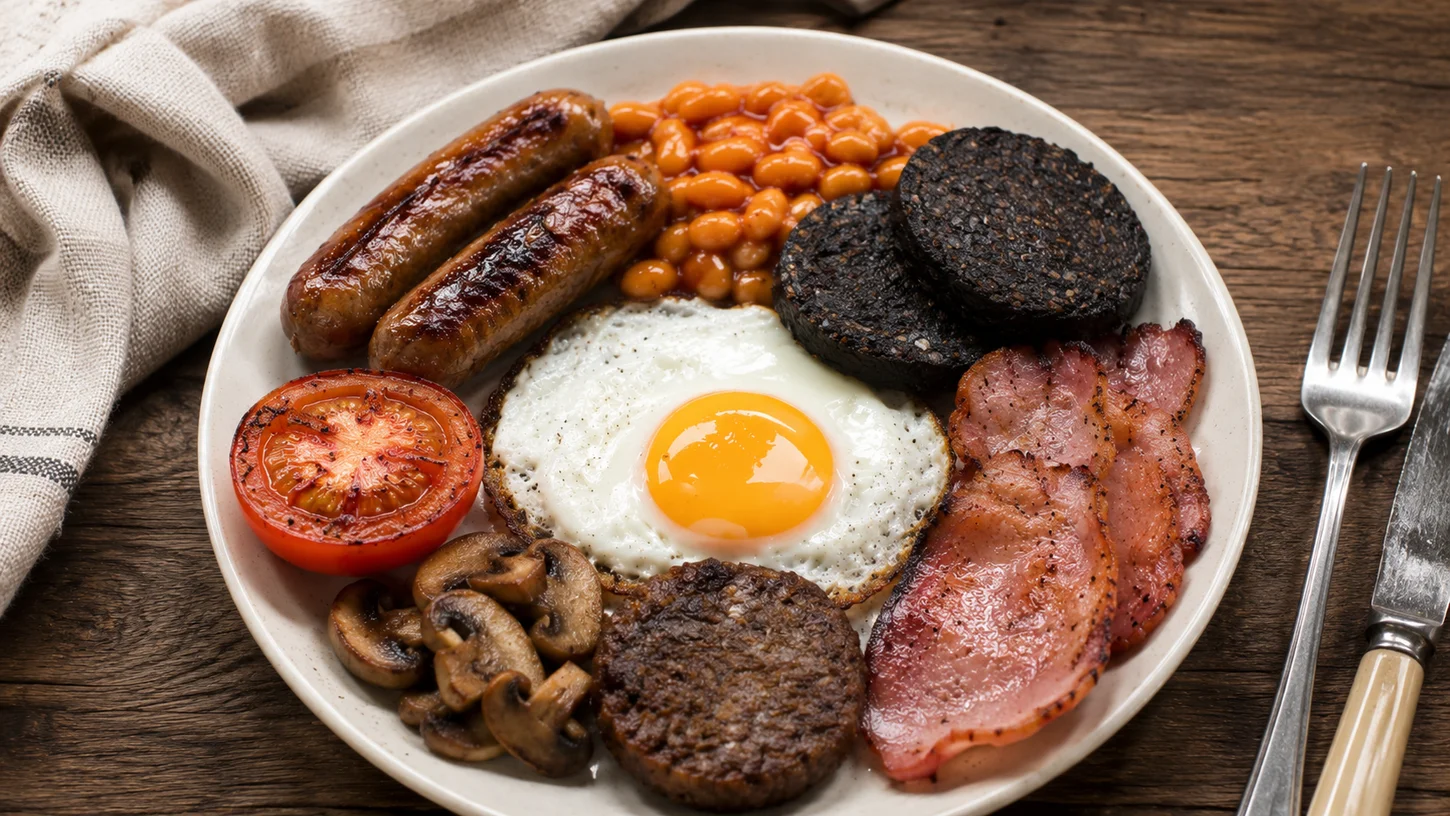
If you’ve ever stood in front of a butcher’s display wondering what exactly separates black pudding from white pudding—you’re not alone. They look different, taste different, and have different histories, but both belong to the same family of traditional British and Irish sausage-style puddings. Once you understand what goes into each one and how they’re made, you’ll see why they’ve earned their place on breakfast plates, charcuterie boards, and restaurant menus for centuries.
At A Place 2 Meat, we stock both black pudding and white pudding as part of our range of British-style products—because good food deserves quality ingredients, no matter where the recipe comes from. Whether you’re a longtime fan or trying them for the first time, here’s everything you need to know.
Black Pudding vs White Pudding Explained
Their Importance in British, Irish, and Scottish Cuisine
Black pudding and white pudding are staples of British, Irish, and Scottish cooking—particularly in traditional cooked breakfasts. They’ve been part of these food cultures for hundreds of years, rooted in the practical tradition of using every part of the animal after slaughter. Far from being novelty items, they’re embedded in the everyday food culture of the British Isles.
In Ireland, white pudding is as common as black on a full Irish breakfast. In Scotland, black pudding has a particularly strong heritage—Stornoway Black Pudding from the Isle of Lewis even holds Protected Geographical Indication (PGI) status. In England, the full English isn’t complete without a slice or two.
Why Both Remain Popular with Butchers and Food Enthusiasts
What’s kept these products on shelves and in cookbooks isn’t nostalgia alone. Both puddings deliver bold, savoury flavour that holds up well across cooking methods. They’re versatile—just as comfortable in a gourmet dish as they are in a simple weekend fry-up. And with growing interest in traditional and nose-to-tail cooking, they’ve found a new audience beyond the British and Irish diaspora.
Quick Overview of the Key Differences
The most important difference comes down to one ingredient: blood. Black pudding contains pork blood, which gives it that dark colour and rich, iron-forward flavour. White pudding is made without blood—it uses pork meat, fat, oatmeal, and seasoning, resulting in a milder, paler product.
What Is Black Pudding?
The Origins of Black Pudding
Black pudding is one of the oldest recorded foods in British culinary history. References to blood sausages appear in ancient Greek texts, and similar preparations have existed across Europe and Asia for thousands of years. In the British Isles, black pudding became especially associated with northern England, Scotland, and Ireland, where pigs were a primary source of meat and using blood was standard practice.
Historically, slaughtering a pig was a significant event—and nothing was wasted. Blood was one of the first things to be collected and cooked, since it spoils quickly. Mixed with fat, oatmeal, and spices, it was packed into a casing and boiled or baked. That tradition has carried forward into the black pudding you find in butchers and supermarkets today.
Traditional Ingredients in Black Pudding
Pork Blood
Pork blood is the defining ingredient in black pudding. It’s what gives the product its dark, near-black colour and its distinctive iron-rich flavour. Without blood, you don’t have black pudding—you have something closer to white pudding.
Pork Fat
Fat is essential for binding the mixture and adding richness. Back fat or lard is commonly used. It keeps the pudding moist during cooking and balances out the intensity of the blood.
Oats or Barley
Oats or barley provide the bulk and texture in traditional recipes. They absorb moisture, help the mixture hold together, and give black pudding its hearty, slightly grainy texture. Scottish recipes in particular lean heavily on oats.
Herbs and Spices
Seasoning varies significantly by region and producer. Common additions include salt, pepper, nutmeg, marjoram, thyme, and pennyroyal. Some traditional recipes include onion or leek. These seasonings are what give different black puddings their distinct character—two products made with the same core ingredients can taste quite different depending on the spice blend.
How Black Pudding Is Made
The basic process involves collecting fresh pork blood and combining it with cooked onions, fat, oatmeal, and seasoning. The mixture is thoroughly blended until smooth and well-seasoned, then filled into natural or synthetic casings—typically hog casings. The filled links or loops are then simmered in water or steamed until cooked through, then cooled rapidly to halt cooking and set the texture. Some producers smoke the finished product for added depth.
The blood coagulates during cooking, which is what firms up the pudding and creates that sliceable consistency. Once cooled, it’s ready to be sold sliced, in rings, or as a full loop—depending on the regional style.
What Does Black Pudding Taste Like?
Black pudding has a rich, deeply savoury flavour with earthy, iron-forward notes. The oats add a subtle nuttiness and textural contrast. Depending on the seasoning, you might pick up hints of pepper, herbs, or subtle sweetness from onion. It’s not overpowering—when cooked properly, it’s satisfying rather than heavy, with a slight crisp on the outside and a soft, dense interior.
People often describe it as the most “meaty” of the puddings, even though it’s technically a blend rather than a straightforward cut of meat.
Common Ways to Serve Black Pudding
- Sliced and pan-fried as part of a full English or full Irish breakfast
- Crumbled over scrambled eggs or smashed avocado on toast
- Served with scallops as a classic restaurant starter
- Layered into a breakfast sandwich or roll
- Added to stews or casseroles for depth of flavour
- Served on a charcuterie or grazing board alongside cured meats and sharp cheeses
What Is White Pudding?
The History of White Pudding
White pudding shares the same broad tradition as black pudding but developed as a blood-free alternative. It’s particularly associated with Irish and Scottish cuisine, and while it appears in England too, it’s less prominent there than its darker counterpart.
The precise origin is harder to pin down than black pudding’s, but white pudding has been part of Irish cooking for centuries. It follows the same logic of using every part of the animal—using coarser cuts of pork, fat, and grain to make a filling, flavourful product. Some historians suggest white pudding predates black pudding in Ireland, though the records aren’t definitive.
Traditional Ingredients in White Pudding
Pork Meat
Unlike black pudding, white pudding contains actual pork meat—usually from coarser cuts like shoulder or head meat. This gives it a meatier texture and a more straightforward pork flavour compared to the blood-rich taste of its black counterpart.
Pork Fat or Suet
Fat is incorporated for richness and moisture. Back fat is most common in modern recipes, though older Irish recipes sometimes used beef suet—which contributes a slightly different flavour profile.
Oatmeal or Barley
Grain provides the bulk and absorbs the fat during cooking. Oatmeal is the most common choice in Irish white pudding, and it gives the product a slightly coarse, satisfying texture.
Breadcrumbs and Seasonings
Many white pudding recipes incorporate breadcrumbs alongside or instead of oatmeal—particularly in Irish recipes—which lightens the texture and produces a softer bite. Seasoning typically includes salt, white pepper, nutmeg, and sometimes onion powder, mace, or sage.
How White Pudding Is Made
The process is similar to black pudding but simpler—there’s no blood to handle. Pork meat and fat are minced or ground, then combined with soaked oatmeal or breadcrumbs and seasoning. The mixture is blended well, then filled into casings and cooked by simmering or steaming. Because there’s no blood to coagulate, the oatmeal and breadcrumbs do more of the structural work.
The result is a paler, softer sausage that holds together well when sliced and fried.
What Does White Pudding Taste Like?
White pudding is milder than black pudding. You get pork and fat upfront, with the oatmeal adding a gentle nuttiness. The seasoning is typically more restrained—think savoury and warm rather than bold and earthy. It’s a gentler introduction to the world of traditional puddings, and many people who are hesitant about black pudding find white pudding to be an easy entry point.
Common Ways to Serve White Pudding
- Sliced and fried as part of a full Irish breakfast
- Served with eggs and toast for a lighter start to the day
- Pan-fried until golden and served with sautéed greens
- Crumbled into stuffing or savoury pastry fillings
- Included on a charcuterie board as a milder complement to cured meats
- Eaten cold, sliced thin, on buttered bread—a common Irish tradition
The Main Difference Between Black and White Pudding
Blood Content
This is the fundamental difference. Black pudding contains pork blood; white pudding does not. Everything else—the colour, the flavour, the nutritional profile—flows from this single distinction.
Colour and Appearance
Black pudding ranges from dark brown to near-black, depending on the blood content and cooking method. When sliced, you’ll often see visible pieces of fat and oatmeal scattered through the dark matrix. White pudding is pale—cream to light grey—with a more uniform appearance.
Texture Differences
Both puddings have a firm, sliceable texture when cold, but they behave slightly differently when cooked. Black pudding firms up with a denser, slightly grainy interior thanks to the coagulated blood and oats. White pudding tends to be slightly softer and more uniform in texture, particularly when breadcrumbs are used in place of oatmeal.
Flavour Profile Comparison
Black pudding: rich, earthy, iron-forward, savoury with herbal notes.
White pudding: mild, clean pork flavour, subtly nutty, gently seasoned.
Both are savoury and satisfying, but they occupy different ends of the flavour spectrum.
Nutritional Differences
Black pudding is higher in iron due to the blood content—it’s one of the better dietary sources of haem iron available in a ready-to-cook product. White pudding tends to be slightly higher in fat per serve, depending on the recipe. Both are moderate in protein and relatively calorie-dense, so portion size matters.
Cooking Characteristics
Both products cook well by pan-frying, grilling, and baking. Black pudding develops a satisfying crust on the outside while staying moist inside. White pudding browns evenly and holds its shape well when sliced. Neither benefits from overcooking—heat them through and get some colour on the outside, then take them off the heat.
Black Pudding vs White Pudding: Side-by-Side Comparison
Ingredients
| Component | Black Pudding | White Pudding |
| Blood | Yes (pork blood) | No |
| Meat | Fat (primarily) | Pork meat + fat |
| Grain | Oats or barley | Oatmeal or breadcrumbs |
| Seasoning | Herbs, spices, onion | Salt, pepper, mace, nutmeg |
Taste
| Black Pudding | White Pudding | |
| Primary Flavour | Rich, earthy, iron-forward | Mild, clean pork |
| Seasoning Level | Bold | Subtle |
| Intensity | High | Moderate |
Texture
| Black Pudding | White Pudding | |
| Raw | Firm, dense | Firm, slightly softer |
| Cooked | Crisp outside, moist inside | Even, soft interior |
| Grain Presence | Noticeable | Subtle to moderate |
Appearance
| Black Pudding | White Pudding | |
| Colour | Dark brown to black | Cream to light grey |
| Cross-section | Visible fat and grain | More uniform |
Traditional Uses
| Use | Black Pudding | White Pudding |
| Full English | Yes | Uncommon |
| Full Irish | Yes | Yes |
| Scottish Breakfast | Yes | Sometimes |
| Charcuterie Board | Yes | Yes |
| Restaurant Starter | Common | Less common |
Nutritional Profile
| Nutrient (per 100g, approximate) | Black Pudding | White Pudding |
| Calories | 290–320 kcal | 270–310 kcal |
| Protein | 13–16g | 10–14g |
| Fat | 18–22g | 20–25g |
| Iron | High (haem iron) | Lower |
Nutritional values vary by producer and recipe.
Why Is Black Pudding Dark in Colour?
The Role of Blood in Traditional Recipes
The colour comes entirely from pork blood. Blood contains haemoglobin—the iron-rich protein responsible for its red colour. When heated, haemoglobin denatures and coagulates, darkening significantly from bright red to deep brown or black. The more blood in the recipe, the darker the finished product.
How Blood Affects Texture and Flavour
Blood isn’t just a colouring agent—it’s a structural one. As it cooks and coagulates, it binds the other ingredients together and creates the firm, sliceable texture that distinguishes black pudding from a loose sausage filling. The iron in blood also contributes directly to the flavour: that mineral, slightly metallic note you pick up in black pudding is a characteristic of haem iron and is part of what makes it distinctive.
Common Misconceptions About Blood Sausage
The biggest misconception is that black pudding is primarily about blood in a way that should be off-putting. In practice, the blood is one ingredient among several, and when balanced with fat, grain, and seasoning, the result is a harmonious product where no single element dominates. Many people who say they “don’t like blood” eat black pudding happily without a second thought once they try it.
Another common misconception is that all blood sausages taste the same. Black pudding sits within a global family of blood sausages that includes boudin noir (France), morcilla (Spain and South America), blutwurst (Germany), and many others—each with distinct flavour profiles based on local ingredients and seasoning traditions.
Why Is White Pudding Called “Pudding”?
Understanding Traditional British and Irish Puddings
In British and Irish culinary tradition, “pudding” refers to a broad category of foods cooked in a bag or casing—not necessarily something sweet. The word comes from the French “boudin,” meaning sausage or preparation encased in a gut. Over time, “pudding” in the British Isles came to describe both sweet steamed desserts (like Christmas pudding) and savoury preparations encased in animal intestines or cloth.
How Savoury Puddings Differ from Dessert Puddings
The distinction is primarily historical and contextual. Both types of pudding share a common technique: mixing a filling and cooking it within a casing or mould. Savoury puddings like black and white pudding use meat, fat, and grain; sweet puddings use suet, flour, fruit, and sugar. The method is what they share—the ingredients are what separate them.
The Evolution of Sausage-Style Puddings
As food manufacturing became industrialised in the 19th and 20th centuries, puddings like black and white moved from home production into specialist butchers and eventually large-scale producers. The casing shifted from natural intestines to synthetic alternatives in many cases, but the core recipe and the name stayed the same. Today, “pudding” in this context is simply understood as these specific sausage-style products—even if the name confuses people encountering them for the first time.
Which Tastes Better: Black or White Pudding?
For People Who Enjoy Rich, Savoury Flavours
If you appreciate bold, earthy flavours—offal, liver, game, or intensely seasoned cured meats—black pudding will likely be your preference. Its richness is part of the appeal, and the interplay between iron-forward blood, smoky or herbal seasoning, and the nuttiness of oats is genuinely satisfying.
For Those New to Traditional Puddings
White pudding is an easier starting point. The flavour is approachable—it tastes like a well-seasoned pork sausage with a slightly different texture. If you’re hesitant about trying black pudding, starting with white pudding can help you understand the texture, cooking method, and broader tradition before committing to something more intense.
Popular Preferences Around the World
In Ireland, both are eaten regularly and neither has a clear dominance—it comes down to personal preference and regional tradition. In Scotland and northern England, black pudding tends to be the default. Outside the British Isles, black pudding has gained more recognition internationally—partly because of its nutritional profile and partly because nose-to-tail cooking has become more fashionable in food culture.
Why It Ultimately Comes Down to Personal Taste
There’s no objective winner here. Both puddings are well-crafted, traditional products with long histories. Whether you prefer the rich depth of black or the milder character of white depends entirely on your palate. The best approach is to try both—ideally from a quality butcher—and see which one works for you.
How to Cook Black and White Pudding
Pan Frying
Pan-frying is the most common method and produces the best results for most people. Slice the pudding into rounds about 1–1.5cm thick. Heat a small amount of oil or butter in a non-stick pan over medium-high heat and cook for 2–3 minutes per side until browned and cooked through. Don’t rush this—getting proper colour on both sides makes a real difference to the flavour.
Grilling
Place sliced pudding on a lightly oiled grill rack under a preheated grill. Cook for 3–4 minutes per side, watching carefully to avoid burning. Grilling gives a drier result than pan-frying—it works well when you want a slightly firmer texture.
Oven Cooking
Place slices on a baking tray lined with baking paper. Cook at 190°C for 15–20 minutes, flipping halfway through. This method is useful when cooking for a large group—it frees up your stovetop and lets everything finish at the same time.
Air Frying
Air frying works well for both puddings. Place slices in a single layer in the air fryer basket, lightly brushed with oil. Cook at 180°C for 8–10 minutes, flipping once. You’ll get a crisp exterior without the oil of a full pan-fry.
Common Cooking Mistakes to Avoid
- Cooking from frozen without thawing – This causes uneven cooking where the outside burns before the centre heats through. Thaw completely before cooking.
- Overcooking – Both puddings can dry out and crumble if left on the heat too long. Once they’re coloured and heated through, take them off.
- Slicing too thin – Very thin slices fall apart easily, especially white pudding. Aim for at least 1cm thickness.
- Using too much oil – Both puddings contain fat, which renders during cooking. A light coating of oil is all you need.
Best Ways to Serve Black and White Pudding
Traditional Full Breakfasts
Both puddings are most traditionally served as part of a cooked breakfast. A full Irish or full English will typically include bacon, eggs, sausages, tomatoes, mushrooms, beans (in England), soda bread or toast—and one or both puddings. The contrast between the richly flavoured black and the milder white works well together on the same plate.
Gourmet Brunch Dishes
Black pudding in particular has become a feature in upscale brunch menus. Crumbled over smashed avocado on sourdough, layered into a breakfast sandwich with a fried egg and aged cheddar, or served alongside a soft poached egg with a drizzle of hollandaise—it adds depth and substance to dishes that might otherwise be too light.
With Eggs and Toast
A simple and reliable option: pan-fry a few slices of black pudding or white pudding, cook your eggs to your liking, and serve with thickly buttered toast. No fuss, genuinely satisfying.
As Part of Charcuterie Boards
Both puddings work well on a grazing or charcuterie board—sliced thin and served alongside other cured meats, sharp or creamy cheeses, pickles, and crusty bread. Black pudding pairs particularly well with apple chutney, sharp cheddar, or soft goat’s cheese.
Modern Restaurant Applications
In recent years, black pudding has appeared in some unexpected contexts: as a stuffing inside chicken breasts, crumbled over scallops in a fine dining entrée, incorporated into a cromesquis (a crumbed, fried cube), or as a component in a savoury tart. These applications speak to its versatility and to the growing appreciation for traditional British and Irish ingredients in contemporary cooking.
Are Black and White Pudding Good for You?
Protein Content
Both puddings contain a reasonable amount of protein per serve—typically 10–16g per 100g depending on the recipe. They’re not the highest-protein option in the butcher’s case, but they’re a meaningful contributor when eaten as part of a larger meal.
Iron and Mineral Benefits
This is where black pudding genuinely stands out. The pork blood used in black pudding is a good source of haem iron—the form of iron most readily absorbed by the human body. Iron deficiency is common, particularly in women of childbearing age, and dietary sources of haem iron are valuable. Black pudding also contains useful amounts of zinc, magnesium, and B vitamins.
White pudding doesn’t carry the same iron benefit, but still provides B vitamins and minerals from the pork meat and fat.
Fat and Sodium Considerations
Both products are reasonably high in fat and sodium. They’re not everyday health foods, but they’re not intended to be—they’re flavourful, nutrient-dense additions to a varied diet, best enjoyed in moderate portions.
Enjoying Them as Part of a Balanced Diet
The key word is moderation. Two or three slices as part of a cooked breakfast that also includes eggs, tomatoes, and wholegrain toast is a reasonable way to enjoy them. You’re getting protein, iron, and a lot of flavour without going overboard.
Choosing Quality Black and White Pudding from Your Butcher
What to Look For in Premium Products
A quality black pudding should have a firm, even texture with visible grains of oatmeal or fat throughout—not a uniform, dense block. The casing should be intact and the colour consistent. A quality white pudding should be pale throughout with a clean, savoury smell and a texture that holds together without being rubbery.
The Importance of Traditional Ingredients
Products made with traditional ingredients—real pork blood, quality cuts of pork, natural oats, and balanced seasoning—will always outperform mass-produced versions that rely on fillers and flavour enhancers. The ingredient list tells you a lot about the quality of what you’re buying.
Freshness and Preparation Standards
Like any cured or prepared meat product, freshness matters. Buy from a butcher who can tell you when the product was made, how it’s been stored, and what’s in it. Freshly made pudding has noticeably better flavour and texture than something that’s been sitting in a supermarket chiller for two weeks.
Why Buying from a Specialist Butcher Matters
A specialist butcher who sources quality ingredients, follows traditional preparation methods, and takes care with the finished product will consistently deliver better results than a generic option. You also get knowledge—a good butcher can tell you how to cook it, what to pair it with, and which variety suits your taste.
Find Black Pudding and White Pudding in Brisbane at A Place 2 Meat
If you’re in Brisbane and looking for quality British-style puddings, A Place 2 Meat stocks both black pudding and white pudding as part of its range of specialty products. Whether you’re building a proper full Irish breakfast, experimenting with something new, or just want to explore traditional British food culture without having to book a flight, we’ve got you covered.
Our product range is built around quality, carefully sourced, and handled with care. Head to our Pudding page to see what’s available, or drop into the shop to pick up a pack. Give them a proper try and you’ll quickly see why these two humble sausages have been breakfast staples for hundreds of years. Available for click & collect or Brisbane delivery.
🥩 Traditional British Black & White Pudding in Brisbane
Authentic, handcrafted British-style puddings and traditional bangers made right here at A Place 2 Meat in Newmarket Village.