
About Us
Our meat is always fresh, hand-cut, delicious and prepared with care. We pride ourselves on the quality of meat we sell to our customers because we value you!
Contact Info
- 110/400 Newmarket Road, Newmarket QLD 4051
- +0738564216
- 110/400 Newmarket Road, Newmarket QLD 4051
- +0738564216
Teriyaki Chicken
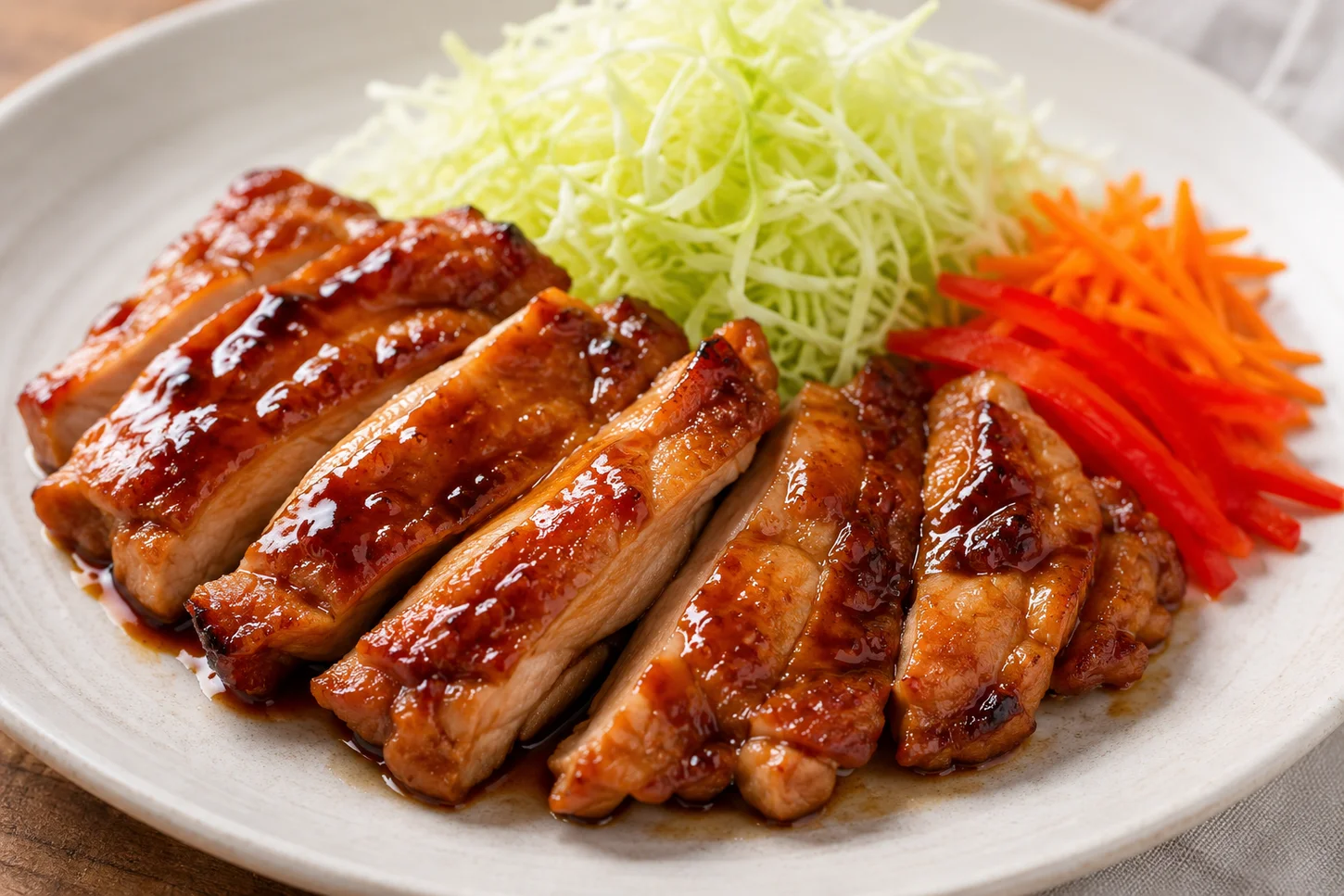
Few dishes cross the gap between “quick weeknight dinner” and “genuinely impressive meal” as easily as teriyaki chicken. It’s a dish built on just a handful of ingredients, yet it delivers a glossy, savoury-sweet glaze that tastes far more complex than the short ingredient list suggests.
This guide walks through the traditional Japanese method for teriyaki chicken, using pan-seared chicken thigh fillets and a simple homemade sauce rather than the thicker, garlic-heavy versions found in many Western takeaway shops. It’s a recipe well suited to busy Brisbane households, whether you’re cooking a fast dinner after work or prepping meals for the week ahead. All you need is quality chicken from A Place 2 Meat and a few store-cupboard basics.
At a glance
| Prep time | 5 minutes |
| Cook time | 10–12 minutes |
| Servings | 4 |
| Main ingredients | Chicken thigh fillets, soy sauce, mirin, sugar |
| Halal-friendly | Yes — see notes below on alcohol-free substitutions |
What Is Teriyaki Chicken?
Teriyaki chicken is chicken that’s pan-seared or grilled, then coated in a glaze made from soy sauce, a sweetener, and a mild rice-based seasoning. The name describes the cooking technique rather than a specific dish, which is why teriyaki shows up on menus attached to chicken, salmon, beef, and even vegetables.
The Origins of Traditional Japanese Teriyaki
The word teriyaki dates back centuries in Japanese cooking, originally used to describe grilled fish coated in a soy-based glaze. Over time the technique was applied more broadly, and chicken teriyaki became one of the most common home-style versions, prized for being fast, affordable, and reliably delicious.
Why Teriyaki Chicken Is So Popular in Australia
Teriyaki chicken has become a fixture on Australian menus, from food courts to home kitchens, largely because it hits a flavour profile people already enjoy — savoury, slightly sweet, and easy to pair with rice or salad. It also happens to be one of the simplest ways to turn everyday chicken thigh fillets into a meal that feels a step above the ordinary, without any special equipment or hard-to-find ingredients.
Traditional Japanese Teriyaki vs Western-Style Teriyaki
Many teriyaki sauces sold in Australian supermarkets are thickened with cornstarch and flavoured with garlic, ginger, or even pineapple juice. Traditional Japanese teriyaki is simpler: soy sauce, a rice-based sweetener, and sugar, reduced naturally in the pan until it thickens on its own. There’s no garlic, no ginger, and no need for a cornstarch slurry — the glaze comes purely from reduction and the natural sugars in the sauce.
What “Teriyaki” Actually Means
The word breaks down into two parts: “teri,” meaning shine or lustre, and “yaki,” meaning grilled or pan-fried. Put together, it literally describes food that’s been grilled to a shiny, glazed finish — which is exactly the texture this recipe is aiming for.
Why You’ll Love This Traditional Teriyaki Chicken Recipe
Ready in Just 15 Minutes
From start to finish, this recipe takes about 15 minutes, most of which is hands-off simmering. It’s realistic for a weeknight, even after a long day.
Only Five Main Ingredients Required
Chicken thigh fillets, soy sauce, sugar, mirin, and an alcohol-free sake alternative (more on that below) are all you need for the sauce and protein. No specialty sauces or long ingredient lists required.
No Marinating Needed
Unlike many chicken recipes that call for hours of marinating, this method builds flavour entirely in the pan as the chicken cooks and the sauce reduces. There’s no need to plan ahead the night before.
Naturally Sweet and Savoury Without Garlic or Vinegar
Because the sauce relies on soy sauce, sugar, and a rice-based seasoning rather than garlic or vinegar, the flavour is clean and balanced rather than sharp. It suits people who find garlic-heavy teriyaki sauces overpowering.
Perfect for Busy Weeknight Dinners
Between the short ingredient list and minimal prep, this is a recipe that fits neatly into a weekday routine — quick enough for a Tuesday night, but good enough to serve to guests.
Ingredients You’ll Need
This recipe serves four people. Adjust quantities up or down as needed — the ratio between ingredients is what matters most.
| Ingredient | Amount |
| Chicken thigh fillets, skin-on | 600g (about 4 fillets) |
| Soy sauce | 60ml (4 tbsp) |
| Alcohol-free mirin-style seasoning | 60ml (4 tbsp) |
| Alcohol-free sake alternative (see below) | 60ml (4 tbsp) |
| White sugar | 2 tbsp |
Chicken Thigh Fillets (Why They’re the Best Choice)
Chicken thigh holds up far better to pan-searing than breast, staying juicy even with a slightly longer cook time. The skin also crisps up nicely without any oil in the pan, which is part of what gives this dish its signature texture. A Place 2 Meat stocks chicken thigh fillets that are well suited to this cut of cooking.
Soy Sauce
Soy sauce is the backbone of the glaze, providing the savoury, umami base that everything else builds on. A good-quality soy sauce makes a noticeable difference here, since it’s doing most of the flavour work.
Cooking Sake (Alcohol-Free Alternative)
Traditional teriyaki sauce uses cooking sake, a mild rice wine that adds depth and helps tenderise the chicken as it cooks. Because A Place 2 Meat is a halal-certified butcher, this recipe swaps sake for an alcohol-free alternative — a light dashi stock, or simply water with a small splash of lemon juice, works well and achieves a similar mellow acidity without any alcohol content.
Mirin
Mirin is a mild, slightly sweet rice seasoning that rounds out the glaze. For this recipe, use an alcohol-free mirin-style seasoning (sometimes labelled “mirin fu chomiryo”), which is widely available at Asian grocers and some major supermarkets. It gives the same gentle sweetness as traditional mirin without the alcohol content found in hon mirin.
Sugar
A small amount of sugar helps the sauce caramelise and thicken as it reduces, giving the finished dish its characteristic glossy finish.
Optional Garnishes and Side Vegetables
- Shredded cabbage
- Julienned carrot
- Julienned capsicum
- Steamed greens
- Cooked Japanese rice
Understanding Traditional Teriyaki Sauce
What Makes Authentic Teriyaki Sauce Different?
Authentic teriyaki sauce is built from just a few ingredients reduced together in the pan, rather than a bottled sauce thickened artificially. The result is a glaze with real depth, built entirely from the natural reduction of soy sauce, sweetener, and the pan juices from the chicken itself.
The Classic 1:1:1:½ Ingredient Ratio
The traditional ratio is soy sauce to mirin to sake to sugar at roughly 1:1:1:½. In this alcohol-free version, that translates to equal parts soy sauce, alcohol-free mirin-style seasoning, and alcohol-free sake alternative, with half that amount of sugar. It’s an easy ratio to scale up or down depending on how many servings you’re making.
Why Traditional Teriyaki Doesn’t Contain Garlic or Ginger
Classic Japanese teriyaki keeps the flavour profile simple and clean, letting the soy sauce and natural pan juices do the work. Garlic and ginger are more commonly found in Western adaptations, which lean toward a punchier, more aromatic sauce.
Adjusting the Sweetness to Your Taste
If you prefer a less sweet glaze, reduce the sugar slightly. If you’d like it sweeter, increase it in small increments — the sauce will still thicken properly as long as the overall liquid ratio stays roughly the same.
Can You Make Teriyaki Sauce in Advance?
Yes. The sauce ingredients can be mixed together and stored in the fridge for up to a week before cooking, which is handy for meal prepping several dinners in advance.
How to Store Homemade Teriyaki Sauce
Keep any premixed sauce in an airtight container or jar in the fridge. Give it a stir before use, as the sugar can settle slightly over time.
Choosing the Best Chicken for Teriyaki
Why Chicken Thigh Is Preferred
Chicken thigh has more fat marbled through the meat than breast, which keeps it moist during the higher, drier heat of pan-searing. It’s also more forgiving if it cooks a minute or two longer than planned.
Can You Use Chicken Breast Instead?
Chicken breast can be used, but it cooks faster and dries out more easily, so keep a closer eye on timing and consider pounding it to an even thickness first.
Skin-On vs Skinless Chicken
Skin-on thigh fillets are recommended for this recipe, since the skin crisps up beautifully with no added oil and adds textural contrast against the glossy sauce. Skinless fillets will still taste good, but you’ll miss out on that crisp layer.
How Even Thickness Improves Cooking
Chicken thigh fillets often vary in thickness across the piece, which can lead to uneven cooking. Butterflying the fillet (covered in the next section) solves this by creating a flatter, more even surface.
How to Prepare the Chicken
Butterfly the Chicken Thighs
Place the fillet skin-side down and slice horizontally through the thicker parts of the meat, opening it up like a book so it lies flat. This creates an even thickness across the whole piece, which helps it cook consistently.
Why You Should Poke the Skin
Lightly poke or score the skin a few times with a fork or the tip of a knife before cooking. This helps render the fat and stops the skin from puffing up unevenly in the pan.
Preparing the Chicken for Even Browning
Pat the chicken dry with paper towel before it goes into the pan. Excess moisture on the surface will cause steaming rather than browning, which affects how well the skin crisps up.
Step-by-Step Traditional Teriyaki Chicken Recipe
Step 1: Prepare the Chicken
Butterfly and score the chicken thigh fillets as described above, then pat them dry.
Step 2: Heat the Pan Without Oil
Place a non-stick or heavy-based frying pan over medium heat. No oil is needed — the chicken skin will render its own fat.
Step 3: Cook the Chicken Skin-Side Down
Lay the chicken skin-side down in the dry, heated pan. Let it cook undisturbed for 5–6 minutes, until the skin turns golden and crisp.
Step 4: Flip and Finish Cooking
Turn the chicken over and cook the other side for a further 3–4 minutes, until cooked through.
Step 5: Remove Excess Fat from the Pan
Tip the pan slightly and spoon or pour off any excess rendered fat, leaving just a thin layer behind. This prevents the sauce from becoming greasy in the next step.
Step 6: Add the Teriyaki Sauce
Pour the combined soy sauce, alcohol-free mirin-style seasoning, alcohol-free sake alternative, and sugar into the pan around the chicken.
Step 7: Simmer Until the Sauce Thickens
Reduce the heat slightly and let the sauce bubble and reduce for 2–3 minutes, spooning it over the chicken occasionally, until it thickens into a glossy glaze that coats the back of a spoon.
Step 8: Rest the Chicken Before Slicing
Remove the chicken from the pan and let it rest for a couple of minutes before slicing. This helps the juices settle back into the meat.
Step 9: Slice and Coat with the Glossy Sauce
Slice the chicken into thick strips and spoon over any remaining sauce from the pan.
Step 10: Plate and Serve Immediately
Serve straight away over steamed rice, with your choice of garnishes, while the glaze is still warm and glossy.
The Secret to Restaurant-Quality Teriyaki Chicken
Why You Should Never Add Oil to the Pan
Chicken thigh skin contains plenty of fat on its own. Adding extra oil makes the pan too slick, which can prevent the skin from crisping properly and leaves the finished sauce oilier than it should be.
Removing Excess Chicken Fat Before Adding the Sauce
This step is easy to skip but makes a real difference. Too much rendered fat left in the pan will separate from the sauce as it reduces, leaving an oily film rather than a smooth glaze.
How to Achieve a Thick, Glossy Glaze
A properly thickened glaze comes down to reduction time and ratio, not cornstarch. Let the sauce bubble gently rather than boil hard, and give it enough time in the pan to concentrate.
Avoiding a Split or Oily Sauce
If the sauce looks greasy rather than glossy, it’s usually a sign there was too much fat left in the pan before the sauce went in. Wiping out excess fat before adding the sauce is the simplest fix.
The Importance of Resting the Chicken Before Slicing
Slicing straight off the heat lets juices run out onto the board rather than staying in the meat. A short rest of just two to three minutes makes a noticeable difference to juiciness.
Common Mistakes to Avoid
Overcrowding the Frying Pan
Cooking too many pieces at once lowers the pan temperature and causes the chicken to steam instead of sear. Cook in batches if needed.
Using Too Much Oil
As covered above, no oil is needed for this method — the chicken’s own fat is enough.
Cooking the Sauce Too Long
Leaving the sauce on the heat for too long after it’s thickened can cause it to turn sticky or start to catch on the base of the pan. Pull it off as soon as it coats a spoon.
Overcooking Chicken Breast
If substituting breast for thigh, keep a close eye on cooking time, since breast dries out much faster once it passes the point of being cooked through.
Skipping the Resting Step
As mentioned, slicing chicken straight from the pan lets the juices escape rather than redistribute, resulting in a drier finished dish.
Using Low-Quality Soy Sauce
Since soy sauce makes up most of the sauce’s flavour, a thin or overly salty brand will show through clearly. It’s worth using a soy sauce you’d be happy to taste on its own.
What to Serve with Teriyaki Chicken
Steamed Japanese Rice
Plain steamed rice is the classic pairing, since it soaks up the glaze without competing with the flavour.
Shredded Cabbage Salad
A simple shredded cabbage salad adds crunch and a fresh contrast to the rich glaze.
Steamed Seasonal Vegetables
Steamed broccoli, beans, or bok choy round out the meal with minimal extra effort.
Japanese Pickles
Pickled vegetables (tsukemono) add a sharp, palate-cleansing contrast to the sweetness of the sauce.
Miso Soup
A small bowl of miso soup on the side rounds out the meal in a way that feels more like a proper Japanese dinner rather than just a quick chicken dish.
Teriyaki Chicken Don (Teriyaki Chicken Rice Bowl)
Sliced teriyaki chicken served over a bowl of rice, sometimes with a soft egg on top, turns this recipe into a donburi-style rice bowl — a popular and filling way to serve it.
Variations to Try
Teriyaki Chicken Rice Bowl
Layer sliced chicken, rice, and shredded vegetables in a bowl, then drizzle with extra sauce.
Teriyaki Chicken Stir-Fry
Slice the chicken into smaller strips and stir-fry with vegetables before adding the sauce for a quicker, one-pan version.
Teriyaki Chicken Bento
Pack sliced chicken, rice, and vegetables into a bento box for a make-ahead lunch that reheats well.
Teriyaki Chicken Lettuce Wraps
Wrap sliced chicken and shredded vegetables in lettuce cups for a lighter, low-carb option.
Teriyaki Chicken Meal Prep Bowls
Divide chicken, rice, and vegetables across several containers for an easy grab-and-go lunch throughout the week.
Using the Same Sauce with Salmon, Beef or Pork
The same sauce and technique works well with other proteins, including salmon fillets, beef strips, or pork, making it a useful base recipe to have on hand.
Storage, Meal Prep and Reheating Tips
How Long Does Teriyaki Chicken Last?
Cooked teriyaki chicken keeps well in an airtight container in the fridge for up to three days.
Can You Freeze It?
Yes, cooked teriyaki chicken freezes well for up to two months. Freeze in a sealed container or bag, and thaw in the fridge overnight before reheating.
Best Ways to Reheat Without Drying Out the Chicken
Reheat gently in a covered pan over low heat with a splash of water, or in short bursts in the microwave, to avoid drying the chicken out.
Preparing the Sauce Ahead of Time
As mentioned earlier, the sauce mixture can be made in advance and stored in the fridge, ready to add straight to the pan when you’re cooking the chicken.
Frequently Asked Questions About Teriyaki Chicken
Is Teriyaki Chicken Japanese?
The teriyaki cooking method originates in Japan, though many teriyaki dishes served outside Japan, including much of what’s found in Australian takeaway shops, are Western adaptations of the original technique.
Why Doesn’t Traditional Teriyaki Use Garlic?
Traditional Japanese teriyaki keeps the flavour simple, relying on soy sauce and the natural pan reduction rather than aromatics like garlic or ginger, which are more common in Western versions.
Can I Use Chicken Breast Instead of Thigh?
Yes, though it will cook faster and can dry out more easily, so reduce the cooking time slightly and watch it closely.
Can I Make Teriyaki Chicken Gluten-Free?
Swap the soy sauce for a gluten-free tamari, which works in the same quantities and gives a similar flavour.
What Is the Difference Between Teriyaki Sauce and Soy Sauce?
Soy sauce is one ingredient within teriyaki sauce. Teriyaki sauce combines soy sauce with a sweetener and rice-based seasoning, then reduces it into a thicker glaze.
Can I Cook Teriyaki Chicken on the Grill?
Yes, grilling works well too. Cook the chicken over medium heat until done, then brush with a separately reduced batch of the sauce, since sauce added directly to a grill can burn quickly.
Why Isn’t My Sauce Thickening?
This usually means the heat is too low, or the sauce hasn’t had enough time to reduce. Let it simmer a little longer, checking every minute or so.
Why Is My Teriyaki Sauce Oily?
This is almost always down to excess chicken fat left in the pan before the sauce was added. Pour off extra fat before adding the sauce next time.
Can I Make the Sauce Less Sweet?
Yes, simply reduce the sugar. The sauce will still thicken, just with a less pronounced sweetness.
Can I Double the Recipe?
Yes, the ratios scale up easily. Just make sure your pan is large enough to avoid overcrowding the chicken.
Is This Recipe Halal?
Yes. This version replaces the alcohol typically found in cooking sake and traditional mirin with alcohol-free alternatives, so the finished dish is suitable for halal households. All chicken from A Place 2 Meat is halal-certified.
Tips for Buying Quality Chicken
Why Fresh, High-Quality Chicken Makes a Difference
Since this recipe has so few ingredients, the quality of the chicken itself really shows through. Fresh, well-sourced chicken makes a noticeably better finished dish than something that’s been sitting in the freezer for months.
Choosing Skin-On Chicken Thighs
Look for skin-on thigh fillets with an even thickness where possible, or plan to butterfly thicker pieces yourself for more consistent cooking.
Portion Sizes for Families and Meal Prep
For a family of four, around 600g of chicken thigh fillets is enough for this recipe. If you’re meal-prepping for the week, it’s easy to scale up and cook a larger batch in stages.
Enjoy Authentic Japanese Teriyaki Chicken at Home
Simple Ingredients, Incredible Flavour
Traditional teriyaki chicken proves that a short ingredient list doesn’t mean a short flavour. With good chicken, a well-balanced sauce, and a little attention to technique, it’s a dish that comes together quickly but tastes like it took far more effort.
Shop Premium Chicken at A Place 2 Meat for Your Next Homemade Teriyaki Chicken
If you’re in Brisbane and ready to try this recipe, start with quality chicken thigh fillets from A Place 2 Meat. Browse the full range of halal-certified chicken online, or visit us in-store to pick out fresh cuts for your next dinner. You can also order online for fast Brisbane delivery.
🥩 Order Fresh Halal Chicken for Your Recipes
Discover juicy chicken thigh fillets, whole birds, and skewers from A Place 2 Meat in Newmarket. Sourced from 100% Australian farms and certified halal.