
About Us
Our meat is always fresh, hand-cut, delicious and prepared with care. We pride ourselves on the quality of meat we sell to our customers because we value you!
Contact Info
- 110/400 Newmarket Road, Newmarket QLD 4051
- +0738564216
- 110/400 Newmarket Road, Newmarket QLD 4051
- +0738564216
How to Roast Lamb: A Guide for Every Method
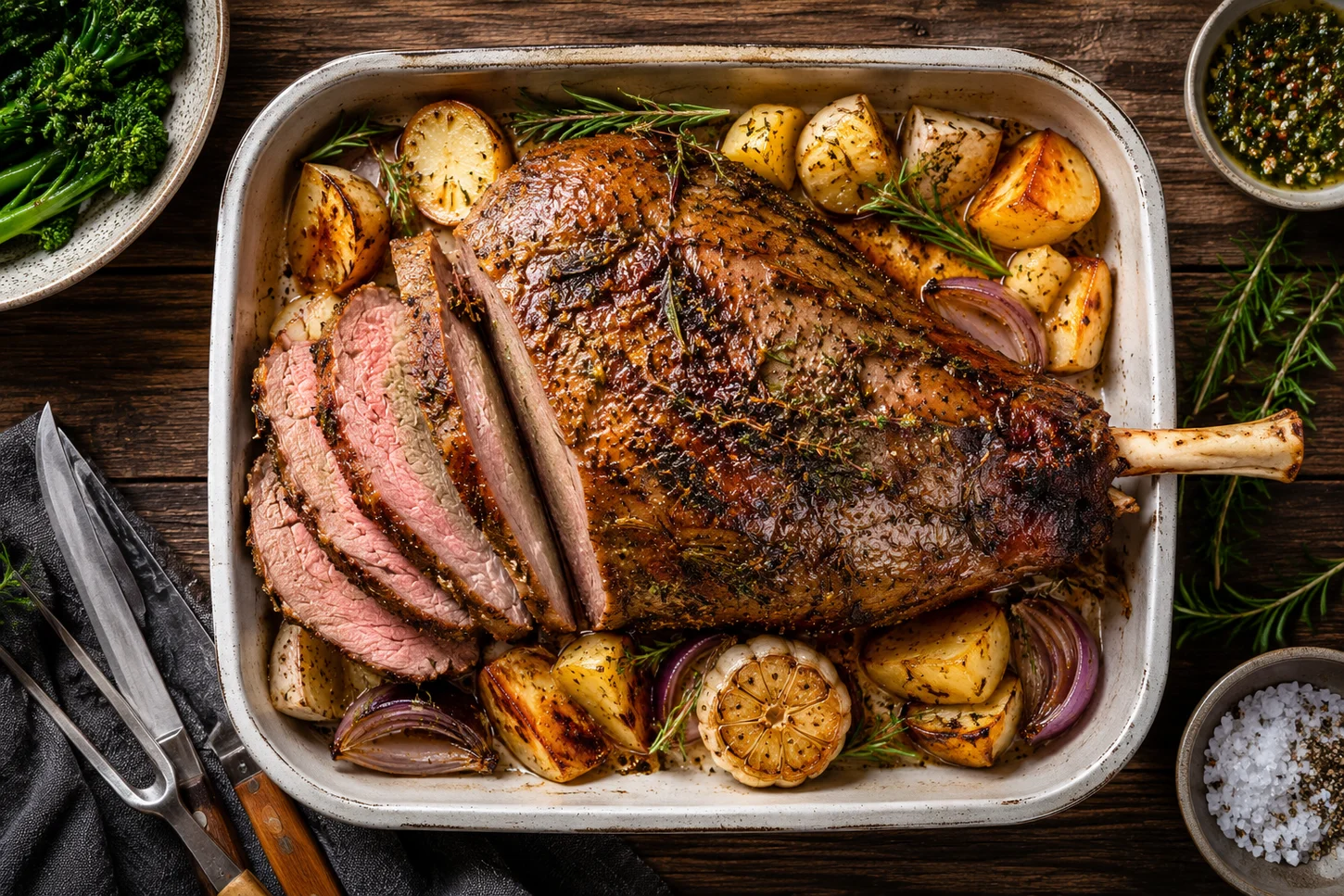
There’s something deeply satisfying about a perfectly roasted lamb. The crackling crust, the tender pull of the meat, the aroma of rosemary and garlic drifting through the kitchen — it’s the kind of cooking that makes a house feel like a home. Whether you’re firing up the oven for a Sunday roast, slow-cooking a shoulder until it falls off the bone, or throwing a leg on the BBQ for a backyard gathering, roasting lamb is one of those skills that pays off every single time.
This guide covers everything you need to know about how to roast lamb — from choosing the right cut and prepping the meat, to nailing the perfect internal temperature and carving it like a pro. We’ve also included time charts, seasoning ideas, side dishes, and tips for making the most of any leftovers. Whether you’re a first-timer or just looking to sharpen your technique, there’s something here for you.
Why Roast Lamb Is an Australian Favourite
Why Roast Lamb Remains a Staple
Ask any Australian what goes on the table at Christmas, Easter, or a Sunday family lunch, and lamb will almost always be part of the answer. It’s a cut that carries tradition — but it’s also one that genuinely earns its place on the plate, again and again.
Roast lamb is a crowd-pleaser across the board. It suits big gatherings just as well as quiet weeknight dinners. It pairs beautifully with classic accompaniments like roasted vegetables, mint sauce, and rich gravy, but it’s equally at home with a fresh Mediterranean salad or tucked into a wrap the next day. Few proteins are this versatile.
There’s also the question of flavour. Lamb has a depth that beef and chicken don’t always match — earthy, slightly sweet, and incredibly satisfying when properly seasoned and cooked. It takes to a wide range of herbs and spices, which means you can go traditional with garlic and rosemary, or take things in a more adventurous direction with Moroccan or Middle Eastern spice blends.
The Versatility of Lamb Across Different Cooking Methods
This guide covers the full spectrum. We’ll walk you through how to roast lamb in the oven, how to slow roast a shoulder until it’s meltingly tender, how to cook lamb in an air fryer, how to roast it on the BBQ or smoker, and how to get that gorgeous even cook going on a rotisserie. Whatever equipment you have, there’s a method here that suits it.
Choosing the Right Lamb for Roasting
The most important decision you’ll make before the oven even gets turned on is the lamb itself. Quality matters enormously here. Fresh, well-sourced lamb will give you better flavour, better texture, and more predictable results.
Whenever possible, buy from a reputable butcher rather than a supermarket. A good butcher can tell you exactly where the lamb came from, recommend the right cut for your cooking method, and even prepare it the way you want — butterflied, rolled, scored, or trimmed. You’re not just buying meat; you’re buying knowledge and consistency.
Fresh vs frozen lamb: Fresh lamb is always the better choice if you have access to it. The texture is firmer, the moisture content is more consistent, and it seasons more evenly. If you do use frozen lamb, allow it to thaw fully in the fridge — never on the bench — and bring it up to room temperature before cooking.
Bone-in vs boneless: Bone-in roasts cook more slowly and develop deeper flavour during the process, as the marrow and collagen from the bone enrich the surrounding meat. Boneless is easier to carve and works well when you want even cooking and a cleaner presentation.
Choosing the right size: A rough guide is 200–250g of bone-in lamb per person, or 150–180g boneless. A 2kg leg of lamb will comfortably feed four to six people. Scale up or down depending on your gathering.
The Best Lamb Cuts for Roasting
Leg of Lamb
The leg of lamb is Australia’s classic roast — and for good reason. It’s a large, impressive cut that serves a crowd, develops rich flavour during cooking, and is forgiving enough for home cooks of all experience levels.
Bone-in vs boneless: A bone-in leg has more depth of flavour and is harder to overcook. Boneless (or butterflied) leg is ideal for faster cooking, easier carving, and marinating — the flat surface soaks up seasonings brilliantly.
Best cooking methods: Oven roasting is the go-to, but a butterflied leg works beautifully on the BBQ. Slow roasting is also excellent for bone-in versions.
Ideal occasions: Sunday roast, Easter lunch, Christmas dinner, family gatherings.
Lamb Shoulder
If the leg is the classic, the shoulder is the connoisseur’s choice. It’s fattier, more marbled, and packed with connective tissue that breaks down into pure, silky richness during a slow cook. The result is pull-apart, fall-off-the-bone lamb that you simply can’t achieve with a leaner cut.
Bone-in vs rolled shoulder: Bone-in shoulder cooks more slowly and has a more complex flavour. Rolled shoulder is neater and easier to portion, making it a good choice when presentation matters.
Best cooking method: Low-and-slow is non-negotiable here. Give it four to six hours at 150–160°C and you’ll be rewarded with meat that barely needs carving — it just falls apart at the touch of a fork.
Rack of Lamb
Rack of lamb is your showstopper cut. It’s a premium roast that looks spectacular on the table, cooks quickly, and has the kind of tender, mild flavour that suits entertaining.
A full rack typically contains seven to eight ribs and serves two. For a dinner party, two racks will feed four generously. It’s best cooked medium-rare, which keeps the meat pink, juicy, and flavourful.
Best cooking method: High-heat oven roasting, reverse sear, or a hot BBQ — all work excellently.
Lamb Loin Roast
The loin is a lean, tender, quick-cooking cut that’s ideal for smaller households or weeknight roasts. It doesn’t need hours in the oven — 25 to 35 minutes at moderate-high heat gives you a beautifully cooked roast with minimal fuss.
Which Lamb Cut Is Best for You?
| Cut | Flavour | Tenderness | Cooking Time | Best Method |
| Leg of Lamb | Rich, classic | Medium | 1.5–2.5 hrs | Oven, BBQ, slow roast |
| Shoulder | Deep, unctuous | Very high (slow) | 3–6 hrs | Slow roast |
| Rack of Lamb | Mild, elegant | Very tender | 20–30 min | Oven, BBQ |
| Loin Roast | Lean, delicate | Tender | 25–35 min | Oven |
Essential Equipment for Roasting Lamb
Roasting Pan
A heavy-bottomed roasting pan is a must. It conducts heat evenly and can go straight from the oven to the stovetop if you want to make a pan gravy from the drippings. Look for one with low sides to allow hot air to circulate and encourage browning.
Meat Thermometer
This is the single most important piece of equipment in your roasting kit. Cooking by time alone is unreliable — oven temperatures vary, lamb cuts differ in thickness, and bone-in roasts behave differently from boneless. A meat thermometer removes all guesswork and is the only reliable way to hit your target doneness every time. Invest in a good instant-read or leave-in probe thermometer and use it without fail.
Oven Rack
Elevating the lamb on an oven rack inside the roasting pan allows hot air to circulate underneath the meat, promoting even browning on all sides and preventing the bottom from steaming. It also keeps the roast out of the pan juices, which you can reserve for gravy.
Sharp Carving Knife
A long, thin, sharp carving knife makes a real difference to the final presentation. Tearing at the meat with a blunt knife compresses the fibres and squeezes out moisture. A sharp blade glides cleanly and keeps each slice intact.
Kitchen Twine (For Rolled Roasts)
If you’re cooking a rolled or boneless shoulder, kitchen twine keeps the roast in shape during cooking and ensures it cooks evenly. Tie at 3–4cm intervals and remove before carving.
How to Prepare Lamb Before Roasting
Bring Lamb to Room Temperature
Take your lamb out of the fridge 30 to 45 minutes before cooking. This is a non-negotiable step that many home cooks skip. Cold meat placed directly into a hot oven creates uneven cooking — the outside cooks much faster than the interior, making it harder to hit your target temperature without overcooking the outer layers.
Trim Excess Fat (If Needed)
A thin layer of fat on the surface of the lamb is a good thing — it bastes the meat as it renders during cooking and contributes to flavour. However, if the fat cap is thicker than about 5mm, trim it back slightly to prevent the exterior from becoming greasy. For a shoulder, leave the fat mostly intact.
Score the Fat for Better Crisping
Use a sharp knife to score the fat cap in a crosshatch pattern, cutting just through the fat without reaching the meat. This helps the fat render more efficiently, allows seasonings to penetrate, and creates more surface area for that beautifully golden crust.
Seasoning Your Lamb
Good seasoning starts with good salt. Use flaky sea salt and apply it generously — lamb can handle it. From there, you can build whatever flavour profile suits your occasion:
- Salt and pepper — the foundation. Always.
- Garlic — insert whole cloves into slits cut across the surface, or use crushed garlic in a paste.
- Rosemary — the classic companion. Tuck sprigs into garlic slits or use fresh leaves.
- Thyme — works beautifully in a rub alongside lemon zest.
- Oregano — essential for Mediterranean-style preparations.
- Lemon — zest rubbed into the surface adds brightness and lifts the flavour of the herbs.
- Olive oil — helps the seasoning adhere, promotes browning, and adds richness.
Marinating vs Dry Seasoning
Dry seasoning (also called a dry rub) is your best option when you want a deep, caramelised crust. Apply your salt, herbs, and spices directly to the surface — with or without a thin coat of olive oil to bind — and allow the lamb to rest for at least 30 minutes before cooking. For even better results, season the night before and refrigerate uncovered so the surface dries slightly.
Marinating is ideal for boneless or butterflied cuts going on the BBQ, or for shoulder roasts where you want the seasoning to penetrate deeply. Use an acidic marinade base (lemon juice, red wine, yoghurt, or vinegar) combined with your herbs, garlic, and oil. Marinate for a minimum of two hours, up to 24 hours in the fridge.
How long before cooking: Dry seasoning — at least 30 minutes, ideally overnight. Marinating — at least 2 hours, up to 24 hours. Remove the lamb from the fridge 30–45 minutes before cooking regardless.
Roast Lamb Temperatures Explained
Recommended Internal Temperatures
The internal temperature of your lamb at the end of cooking is what defines doneness. Always measure at the thickest part of the meat, away from any bone.
| Doneness | Internal Temperature | Description |
| Rare | 52–54°C | Deep pink throughout, very soft |
| Medium Rare | 55–60°C | Pink centre, juicy and tender |
| Medium | 60–65°C | Light pink, firmer texture |
| Medium Well | 65–70°C | Slight blush, firm |
| Well Done | 70°C+ | No pink, fully cooked through |
Rare
Rare lamb is deeply pink throughout with a very soft, almost silky texture. This is a less common preference for larger cuts but suits rack of lamb and loin roast particularly well when cooked for a shorter time at high heat.
Medium Rare
This is the sweet spot for most lamb cuts — particularly leg, rack, and loin. The meat is pink through the centre, full of moisture, and delivers maximum tenderness and flavour. Most chefs and butchers will recommend medium-rare as the ideal target.
Medium
A touch past medium-rare, the meat retains a light pink colour but is slightly firmer. A solid middle-ground choice for those who prefer less pink but don’t want to lose the juiciness.
Medium Well
The pink is mostly gone at this point and the texture is noticeably firmer. The lamb is still edible and reasonably moist, but some tenderness and flavour has been sacrificed.
Well Done
All colour is cooked out and the lamb is firm throughout. For most premium cuts, this results in drier, tougher meat. The one exception is the shoulder — cooked low and slow past well-done temperatures, the collagen breaks down completely and the result is pull-apart tender, even if it reads well-done on the thermometer.
Why Resting the Lamb Is Essential
Resting is the step most people rush, and it’s also one of the most important. When lamb comes out of the oven, the muscle fibres are contracted from the heat and the juices are pushed toward the centre. If you slice immediately, those juices spill out onto the board and the meat dries out quickly.
Allowing the lamb to rest for 15 to 30 minutes (tented loosely with foil) lets the fibres relax, the juices redistribute evenly throughout the meat, and the internal temperature continue to rise by a few degrees through carry-over cooking. The result is a noticeably juicier, more tender roast.
How to Roast Lamb in the Oven
Oven roasting is the most reliable, most popular method — and when done right, it consistently delivers a golden crust and a perfectly cooked interior.
Step 1 – Preheat Your Oven
Preheat your oven to 220°C (fan-forced 200°C). Starting with a high temperature gives the exterior of the lamb a chance to brown quickly before the heat is reduced.
Step 2 – Prepare and Season the Lamb
Bring the lamb to room temperature. Trim any excess fat, score the surface, and apply your seasoning or rub generously. For a classic preparation, rub with olive oil, crushed garlic, rosemary, lemon zest, flaky salt, and black pepper.
Step 3 – Place the Lamb in the Roasting Pan
Position the lamb on a rack inside the roasting pan, fat side up. This allows the fat to baste the meat as it renders during cooking. Add aromatics to the pan if desired — roughly chopped onion, halved garlic heads, fresh rosemary — and pour in a splash of stock or water (about 250ml) to prevent drippings from scorching.
Step 4 – Roast According to Weight and Desired Doneness
Roast at high heat (220°C) for the first 20 minutes to develop a golden crust, then reduce to 180°C for the remainder of the cooking time. Use the cooking time chart later in this guide to estimate your total cook time based on weight and target doneness.
Step 5 – Check the Internal Temperature
Start checking the internal temperature about 20 minutes before your estimated cook time is up. Insert the probe into the thickest part of the meat, away from any bone. Pull the lamb out of the oven when it’s about 3–5°C below your target temperature — carry-over cooking will bring it the rest of the way during resting.
Step 6 – Rest Before Carving
Transfer the lamb to a clean board or plate, tent loosely with foil, and rest for 15–30 minutes depending on the size of the cut. Do not skip this step.
Oven Roasting Tips for the Best Results
- Don’t cover the lamb during roasting unless the surface is browning too quickly, in which case a loose tent of foil will protect it without steaming the meat.
- Baste every 30 minutes with pan juices for extra moisture and flavour.
- Let the oven fully preheat before the lamb goes in — an under-heated oven leads to uneven cooking and a pale crust.
- If you’re roasting a very large cut (3kg+), use a leave-in probe thermometer so you can monitor the temperature without opening the oven door repeatedly.
How to Slow Roast Lamb
Slow roasting transforms tougher, fattier cuts into something spectacular. This is the method for when you want fall-apart, pull-apart lamb that needs nothing more than a fork to serve.
Best Cuts for Slow Roasting
Shoulder is the undisputed king of slow roasting — its fat content and connective tissue are perfectly suited for extended low-heat cooking. Bone-in leg of lamb also responds well to a slow roast, though it won’t pull apart the same way the shoulder does.
Low-and-Slow Cooking Temperatures
For a slow roast, set your oven to 150–160°C (fan-forced). Lower temperatures over a longer time allow the collagen in the meat to break down into gelatin, producing that silky, rich texture that can’t be rushed.
Covered vs Uncovered Roasting
For the first few hours, cover the roasting pan tightly with foil or a lid. This traps steam and keeps the meat moist as it cooks. In the final 30–45 minutes, remove the cover and increase the oven temperature to 200°C to develop a golden, caramelised crust on the surface.
How to Achieve Pull-Apart Tender Lamb
- Bone-in shoulder, 2–2.5kg: 5–6 hours at 150°C
- Bone-in shoulder, 1.5kg: 4–5 hours at 150°C
- The lamb is ready when a fork inserted into the thickest part of the meat slides in and twists with virtually no resistance
- Add aromatics, wine, or stock to the base of the pan — the steam infuses the lamb with even more flavour
- Allow the lamb to rest for at least 20 minutes before pulling
How to Roast Lamb in an Air Fryer
The air fryer is a surprisingly effective tool for smaller lamb cuts — it delivers excellent browning and a quick cook time with minimal fuss.
The Best Cuts for Air Frying
Rack of lamb, loin chops, butterflied mini lamb shoulder, and smaller portions of boneless leg work best. Large bone-in cuts are too bulky for most air fryer baskets to accommodate effectively.
Air Fryer Temperature Guide
| Doneness | Temperature | Time per side |
| Medium Rare | 190°C | 7–9 min per side |
| Medium | 190°C | 9–11 min per side |
| Well Done | 190°C | 12–15 min per side |
These are guides for a rack or boneless portion. Always verify with a meat thermometer.
Cooking Times
A rack of lamb (approx. 600–700g) will take 20–25 minutes total at 190°C for medium-rare. Flip halfway through and check the temperature at the 15-minute mark.
Tips for Even Cooking
- Don’t overcrowd the basket — cook in batches if needed
- Pat the surface completely dry before applying seasoning to maximise browning
- Preheat the air fryer for 3–5 minutes before the lamb goes in
- Rest for 5–10 minutes after cooking before serving
How to Roast Lamb on the BBQ
BBQ roast lamb has a slightly smoky, charred quality that oven roasting simply can’t replicate. It’s also a great way to keep the heat out of the kitchen during a Queensland summer.
Choosing the Right BBQ Setup
For roasting lamb on the BBQ, you need indirect heat. If you have a hooded BBQ or kettle BBQ, set up a two-zone configuration — burners or coals on one side only — and cook the lamb on the unlit side with the lid closed. This mimics the environment of a conventional oven.
Using Indirect Heat
Place the lamb over the cool side of the grill, fat side up. Close the lid and maintain a consistent temperature of around 180–200°C. Avoid lifting the lid unnecessarily — every time you open it, you lose heat and extend the cooking time.
Recommended BBQ Temperatures
- Hood temperature: 180–200°C (aim for consistent heat throughout)
- Internal target for medium-rare: 57–60°C before resting
- Internal target for medium: 62–65°C before resting
Tips for Juicy BBQ Roast Lamb
- Marinate the lamb overnight for maximum flavour penetration
- A butterflied leg works particularly well on the BBQ — the flat surface gives you excellent control over the cook
- If you want a final sear, move the lamb over direct heat for the last 2–3 minutes
- Always rest before carving — at least 10–15 minutes for a BBQ roast
How to Roast Lamb in a Smoker
For those who love that deep, wood-fired flavour, smoked roast lamb is in a category of its own. It takes more time and attention, but the results are extraordinary.
Best Lamb Cuts for Smoking
Shoulder is the most popular cut for the smoker — its fat content keeps it moist during a long smoke. Bone-in leg of lamb is also a classic choice. Rack of lamb can be smoked but requires less time and careful monitoring to avoid drying out.
Recommended Smoking Temperatures
- Smoking temperature: 110–130°C (low and slow)
- Total smoke time for shoulder (2–2.5kg): 6–8 hours
- Internal target: For pull-apart shoulder, aim for 90–95°C internal temperature
- For a more traditional roast texture (leg, rack): pull at 57–63°C for medium-rare
Wood Choices That Pair Well with Lamb
| Wood | Flavour Profile |
| Ironbark | Bold, classic Australian smoke |
| Cherry | Mild, slightly sweet |
| Apple | Light, fruity — not overpowering |
| Oak | Medium intensity, versatile |
| Hickory | Strong and smoky — use sparingly with lamb |
When to Wrap the Lamb
The “Texas crutch” — wrapping the lamb in butcher’s paper or foil mid-smoke — helps push through the stall (the point where evaporative cooling halts the temperature rise). Wrap once the surface has taken on its colour and the bark has formed, typically at around the 4–5 hour mark for a shoulder. Unwrap for the final hour to firm the bark back up.
How to Roast Lamb on a Rotisserie
Rotisserie lamb is a celebration cook — it self-bastes as it turns, develops an incredibly even crust all around, and makes for spectacular outdoor entertaining.
Choosing the Best Cut
Bone-in leg of lamb is the traditional rotisserie choice. A whole butterflied leg can also be trussed tightly and placed on the spit for more even cooking. Avoid boneless cuts that haven’t been well-trussed — they can unbalance the rotisserie motor.
Preparing the Lamb for the Spit
Season the lamb generously with your chosen rub or herb paste. Truss tightly with kitchen twine to compact the shape and ensure even rotation. Thread the spit through the thickest part of the leg, as close to the bone as possible, to avoid wobbling. Test the balance by spinning the spit by hand — the lamb should rotate evenly.
Cooking Over Charcoal or Gas
For charcoal: arrange coals in an indirect configuration (around the outside of the grill, or banked to one side with a drip tray in the centre). For gas: light the side burners or rear rotisserie burner and maintain a hood temperature of around 180°C.
Rotisserie Cooking Tips
- Preheat the rotisserie for 10–15 minutes before putting the lamb on
- The lamb will self-baste as it turns — resist the urge to add extra fat
- Use a drip tray underneath to catch the juices and prevent flare-ups
- Check the internal temperature at the thickest point (away from the bone) from around the 90-minute mark
- Rest for 15–20 minutes off the spit before carving
Roast Lamb Cooking Time Guide
These are approximate guides. Always use a meat thermometer to confirm doneness — oven temperatures, lamb thickness, and starting temperature all affect cook time.
Leg of Lamb Cooking Times (Oven at 180°C after initial sear)
| Weight | Rare (52–54°C) | Medium Rare (57–60°C) | Medium (62–65°C) | Well Done (70°C+) |
| 1.5kg | 45–50 min | 55–65 min | 65–75 min | 85–95 min |
| 2kg | 55–65 min | 65–80 min | 80–95 min | 100–115 min |
| 2.5kg | 65–80 min | 80–95 min | 95–110 min | 115–130 min |
| 3kg | 80–95 min | 95–115 min | 115–130 min | 135–150 min |
Shoulder Cooking Times
| Method | Weight | Time | Result |
| Slow roast (150°C) | 1.5kg | 4–5 hrs | Pull-apart |
| Slow roast (150°C) | 2–2.5kg | 5–6.5 hrs | Pull-apart |
| Conventional roast (180°C) | 1.5kg | 1.5–2 hrs | Medium |
| Conventional roast (180°C) | 2kg | 2–2.5 hrs | Medium |
Rack of Lamb Cooking Times (Oven at 200°C)
| Weight | Medium Rare (57–60°C) | Medium (62–65°C) |
| 600–700g (1 rack) | 20–25 min | 25–30 min |
| 1.2–1.4kg (2 racks) | 25–30 min | 30–35 min |
Loin Roast Cooking Times (Oven at 200°C)
| Weight | Medium Rare (57–60°C) | Medium (62–65°C) |
| 600–800g | 20–25 min | 25–30 min |
| 900g–1.2kg | 25–30 min | 30–35 min |
Cooking Time Chart by Weight and Doneness
As a general rule for bone-in leg of lamb roasted at 180°C (after a 20-minute blast at 220°C):
- Rare: 15 minutes per 500g
- Medium Rare: 20 minutes per 500g
- Medium: 25 minutes per 500g
- Well Done: 30 minutes per 500g
Add 10 minutes per 500g for boneless roasts, as they tend to be denser.
The Best Herbs, Rubs and Seasonings for Roast Lamb
Traditional Garlic and Rosemary
The classic for a reason. Crush 6–8 garlic cloves, mix with finely chopped fresh rosemary, olive oil, salt, and pepper, and either rub over the surface or push into deep slits across the lamb. This combination caramelises beautifully during roasting and fills the kitchen with one of the most universally loved aromas in cooking.
Lemon and Herb
Combine lemon zest, fresh thyme, parsley, garlic, olive oil, salt, and black pepper for a bright, fragrant rub that’s particularly well-suited to leg of lamb and rack. The acid in the lemon zest helps tenderise the surface and lifts the overall flavour profile.
Mediterranean Herb Blend
Dried oregano, garlic, olive oil, lemon juice, rosemary, and a generous amount of black pepper. This rub works brilliantly on a butterflied leg destined for the BBQ — the herbs char slightly and add a smoky, herbal depth.
Moroccan-Inspired Spice Rub
Ground cumin, coriander, cinnamon, paprika (smoked or sweet), turmeric, garlic, olive oil, and a squeeze of lemon. This rub pairs beautifully with slow-roasted shoulder and works well with couscous, yoghurt, and fresh coriander as accompaniments.
Garlic Butter Finish
For an extra layer of richness, make a compound butter with softened unsalted butter, crushed garlic, fresh rosemary or thyme, lemon zest, salt, and pepper. Dot it over the lamb in the final 10 minutes of roasting, or serve it melting over the carved meat at the table.
The Best Vegetables to Roast with Lamb
One of the great advantages of roasting lamb in the oven is the ability to cook your vegetables in the same pan, letting them absorb the flavourful drippings as they roast.
Potatoes
Roast potatoes are the ultimate pairing. Cut into large pieces, parboil until the edges are beginning to fluff, then shake well to rough up the surface and toss in hot fat (duck fat, goose fat, or even the lamb drippings themselves). Add to the roasting pan in the final 45–60 minutes of cooking.
Pumpkin
Butternut or kent pumpkin roasts beautifully alongside lamb. Cut into large wedges, coat in olive oil and a pinch of cinnamon or cumin, and add to the pan about 40 minutes before the lamb is due to come out.
Carrots
Whole baby carrots or roughly cut regular carrots work well. They take about 40–50 minutes at roasting temperatures and absorb the pan flavours wonderfully.
Sweet Potato
Slightly sweeter and softer than regular potato, sweet potato caramelises well and adds colour to the plate. Add it about 35–40 minutes before the lamb finishes cooking.
Onions
Halved onions placed cut-side-down in the pan around the lamb will soften, caramelise, and sweeten over the full cooking time. They also contribute to the pan drippings for a more flavourful gravy.
Garlic
Whole heads of garlic, halved horizontally and placed cut-side-up around the lamb, roast into something magical — sweet, soft, and spreadable. Squeeze the roasted cloves out of the skin and serve alongside the lamb, or stir them into the gravy.
What to Serve with Roast Lamb
Rich Homemade Gravy
Don’t throw away those pan drippings. Once the lamb is resting, place the roasting pan directly on the stovetop over medium heat. Add a splash of red wine or stock, scrape up all the caramelised bits from the bottom of the pan, then whisk in a small amount of flour or cornflour to thicken. Strain and season to taste.
Mint Sauce
The classic companion to Australian roast lamb. Fresh mint, finely chopped and steeped in a little sugar and white wine vinegar, is simple and transformative. You can make it in five minutes and it brightens every mouthful of rich, roasted lamb.
Red Wine Jus
For a more restaurant-style presentation, reduce good quality beef or lamb stock with a glass of red wine and a few thyme sprigs until it’s glossy and intensely flavoured. Finish with a small knob of butter for richness.
Fresh Seasonal Salads
A green salad with a sharp vinaigrette cuts through the richness of roast lamb beautifully. Think rocket, cucumber, and shaved fennel with a lemon dressing, or a classic garden salad with a red wine vinaigrette.
Dinner Rolls and Bread
Crusty bread to mop up the gravy and pan juices is never a wrong choice. Serve warm from the oven alongside the roast and let everyone help themselves.
How to Carve Roast Lamb
Allow the lamb to rest before carving — this is essential for retaining moisture. Have a sharp carving knife and a sturdy board or carving fork ready.
Carving a Bone-In Leg of Lamb
Stand the leg upright with the bone as your guide. Slice across the grain of the meat, working from the widest part of the leg downward. Rotate the leg as you work to access meat on all sides. Once the topside is carved, flip the leg and carve the underside.
Carving a Boneless Leg
A boneless or butterflied leg is much more straightforward. Slice across the grain in long, even slices. If the butterflied leg has an uneven thickness (as most do), identify the thicker and thinner sections and slice each accordingly — the thinner end may be more well-done, which some guests will prefer.
Carving a Lamb Shoulder
A slow-roasted shoulder doesn’t need carving in the traditional sense. Use two forks to pull the meat apart into generous chunks and shreds. If the shoulder was cooked at a higher temperature (conventional roast, not pull-apart style), slice across the grain with a sharp knife, working around the blade bone.
Carving a Rack of Lamb
This is the easiest carve of all. Place the rack bone-side-up on the board. Slice between the rib bones, one or two ribs per person depending on portion size.
Tips for Slicing Against the Grain
Slicing against (perpendicular to) the muscle grain produces shorter muscle fibres in each slice, which means a noticeably more tender bite. Look at the direction of the muscle fibres in the cut surface of the lamb and turn your knife so you’re cutting across them, not parallel to them.
Storing and Reheating Leftover Roast Lamb
Refrigerating Leftovers
Allow the lamb to cool to room temperature (no more than two hours out of the oven), then wrap tightly or store in an airtight container in the fridge. Properly stored roast lamb will keep for up to three to four days.
Freezing Roast Lamb
Roast lamb freezes well for up to three months. Slice or pull apart into portions before freezing to make defrosting easier. Wrap tightly in plastic wrap followed by a layer of foil, or use vacuum-seal bags for best results.
The Best Ways to Reheat Lamb Without Drying It Out
- Oven (best method): Place the lamb in a roasting dish with a splash of stock or water, cover tightly with foil, and heat at 160°C for 15–20 minutes, or until heated through. The liquid creates steam and prevents the meat from drying out.
- Stovetop: Slice the lamb and warm it gently in a pan with a little stock or butter. Keep the heat low and don’t rush it.
- Microwave (quick but careful): Cover the lamb with a damp paper towel and use 50–60% power in short bursts. High heat will toughen the meat quickly.
- Avoid reheating lamb more than once.
Creative Ways to Use Leftover Roast Lamb
Lamb Sandwiches
Leftover roast lamb makes an outstanding sandwich. Thinly sliced lamb on crusty bread with mint sauce, rocket, and a smear of hummus is hard to beat for a simple, satisfying lunch.
Lamb Wraps
Warm a flatbread or pita, add pulled or sliced lamb, tzatziki, shredded lettuce, tomato, and pickled red onion. A squeeze of lemon over the top takes it from good to great.
Shepherd’s Pie
The classic use for leftover roast lamb. Shred or dice the meat, combine with vegetables and a rich gravy, top with buttery mashed potato, and bake until golden. It’s arguably better than the original roast.
Lamb Curry
Leftover roast lamb absorbs curry flavours beautifully. Add it to a simple tomato-and-spice base (onion, garlic, ginger, tomato, cumin, coriander, garam masala) and simmer for 20 minutes. Serve with basmati rice and naan.
Lamb Fried Rice
Dice the leftover lamb finely and stir-fry with cold cooked rice, egg, spring onion, garlic, ginger, soy sauce, and sesame oil. A quick weeknight dinner that uses up leftovers brilliantly.
Lamb Pasta
Shred the leftover lamb and toss it through a pasta with a rich tomato sauce, olives, capers, and a handful of fresh herbs. Inspired by the Italian dish abbacchio — it’s a generous, hearty dinner with minimal effort.
Common Roast Lamb Mistakes to Avoid
Choosing the Wrong Cut
Using a lean loin roast when you planned a four-hour slow cook, or expecting a shoulder to carve cleanly like a leg — mismatching the cut to the method is one of the most common roast lamb mistakes. Match your cut to your cooking approach from the start.
Skipping the Meat Thermometer
Cooking by time alone is a gamble. Every oven is different, every lamb is a different shape, and starting from fridge-cold vs room temperature makes a measurable difference. Use a thermometer every time and eliminate the guesswork.
Overcooking the Lamb
Lamb dries out quickly past the medium-well mark (for most cuts). Trust your thermometer, pull the lamb out of the oven a few degrees early, and let carry-over cooking do the rest.
Not Resting Before Carving
This single mistake causes more dry, disappointing roasts than almost anything else. The resting period is not optional — it’s a critical part of the cooking process.
Under-Seasoning the Meat
Lamb is robust enough to handle generous seasoning. Be bold with your salt, don’t be shy with your herbs, and if you’re using a dry rub, make sure it covers the entire surface — including the underside.
Roasting Straight from the Fridge
Cold meat in a hot oven leads to an overcooked exterior and an undercooked interior. Always bring your lamb to room temperature for 30–45 minutes before roasting.
Frequently Asked Questions
What Is the Best Cut of Lamb for Roasting?
It depends on your cooking method and how much time you have. Leg of lamb is the most versatile and works well across oven roasting, BBQ, and rotisserie methods. Shoulder is the best choice for slow roasting. Rack of lamb is the most impressive for entertaining. Loin roast is ideal for a quick weeknight cook.
How Long Should I Roast Lamb?
As a rough guide at 180°C (after an initial high-heat sear): 20 minutes per 500g for medium-rare. Always confirm with a meat thermometer.
What Temperature Should Roast Lamb Be Cooked To?
Medium-rare (the most popular preference) is 57–60°C internal temperature, measured at the thickest part of the meat. See the full temperature table earlier in this guide for all doneness levels.
Should I Cover Lamb With Foil While Roasting?
For conventional oven roasting, no — an uncovered lamb will brown and crust more effectively. You can tent loosely with foil during resting. For slow roasting, cover the pan tightly for the first few hours to retain moisture, then uncover for the final 30–45 minutes to develop a crust.
How Long Should Roast Lamb Rest Before Carving?
At least 15 minutes for a smaller cut (rack, loin). 20–30 minutes for a full leg or shoulder. The larger the roast, the longer the rest.
Can I Roast Lamb from Frozen?
It is not recommended. Cooking from frozen produces highly uneven results — the exterior overcooks before the centre reaches a safe temperature. Always thaw completely in the fridge before roasting (allow 24 hours per 1–1.5kg of lamb).
How Do I Keep Roast Lamb Moist?
Bring the lamb to room temperature before cooking. Don’t overcook — use a thermometer. Rest before carving. Baste during roasting. If reheating, add a splash of stock and cover with foil.
What Herbs Go Best with Roast Lamb?
Rosemary and garlic is the classic combination. Thyme, oregano, and mint also work beautifully. For a spice-forward approach, cumin, coriander, cinnamon, and paprika produce outstanding results.
Is Bone-In or Boneless Lamb Better?
Bone-in delivers more flavour (particularly depth of flavour in the meat around the bone) and is more forgiving to cook. Boneless is easier to carve, more consistent in thickness, and better suited to marinating and BBQ cooking.
Can I Prepare Roast Lamb the Day Before?
Absolutely — and for many preparations, it’s actually better. Season or marinate the lamb the night before and refrigerate uncovered. This allows the seasoning to penetrate deeply and the surface to dry slightly, which promotes better browning. Bring to room temperature before roasting.
Premium Roasting Cuts from A Place 2 Meat
When you start with exceptional lamb, everything else falls into place. At A Place 2 Meat, we take pride in offering Brisbane customers halal-certified, hormone-free lamb that’s hand-selected and prepared with care. Every cut is handled with the kind of attention you’d expect from a butcher who genuinely loves what they do.
Whether you’re after a butterflied leg ready for the BBQ, a bone-in shoulder ideal for a long, slow roast, a stunning rack for your next dinner party, or a loin roast for a quick weeknight cook — we’ve got you covered.
Our lamb is cut fresh to order, which means you’re getting quality that supermarket pre-packaged cuts simply can’t match. If you’re not sure which cut suits your cook, we’re always happy to help — that’s what we’re here for. Order online for home delivery across Brisbane or visit us at Newmarket Village.
🥩 Order Premium Australian Lamb in Brisbane
Whether you want a succulent leg roast, slow-roast shoulder, or frenched cutlets, A Place 2 Meat delivers pasture-raised, halal-certified lamb cut fresh to order.