
About Us
Our meat is always fresh, hand-cut, delicious and prepared with care. We pride ourselves on the quality of meat we sell to our customers because we value you!
Contact Info
- 110/400 Newmarket Road, Newmarket QLD 4051
- +0738564216
- 110/400 Newmarket Road, Newmarket QLD 4051
- +0738564216
How to Use Beef Tallow: A Guide for Every Method
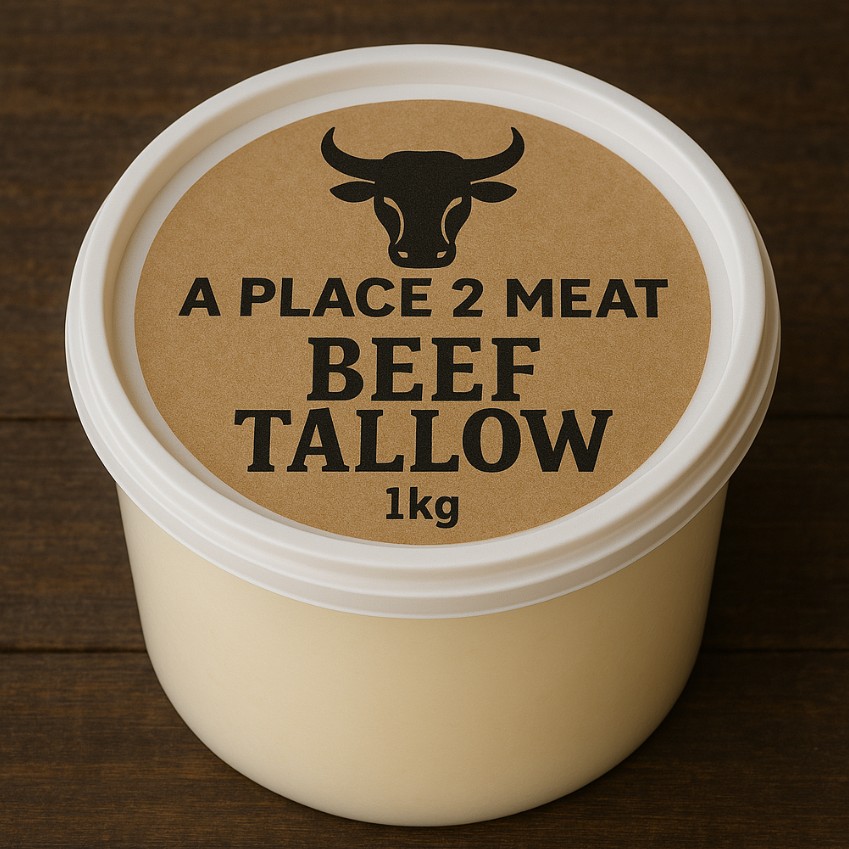
Beef tallow is one of those ingredients that feels like a secret passed down from grandmothers who knew their way around a kitchen. For decades, it sat quietly on the sidelines while vegetable oils took over. But now, cooks across Brisbane and beyond are bringing it back—and for good reason.
Whether you’re chasing crispy roast potatoes, perfectly seared steaks, or flaky pie crusts, beef tallow delivers flavour and performance that most oils can’t match. It’s stable at high heat, rich in taste, and surprisingly versatile. Plus, when you source quality free-range beef tallow like the kind we offer at A Place 2 Meat, you’re cooking with a product that’s clean, wholesome, and full of character.
This guide walks you through everything you need to know about using beef tallow—from frying and roasting to baking, grilling, and even creative kitchen hacks you might not have considered.
Beef Tallow
What Is Beef Tallow?
Beef tallow is rendered fat from cattle. It’s what you get when beef fat is slowly melted down, strained, and cooled into a solid block. The result is a creamy, off-white fat that smells faintly beefy and becomes liquid when heated.
Unlike processed oils, beef tallow is a whole food. It’s been used for centuries in cooking, candle-making, and even skincare. Today, it’s making a strong comeback in kitchens where flavour and quality matter.
Why Beef Tallow Is Making a Comeback
People are rediscovering beef tallow because it ticks a lot of boxes. It’s natural, minimally processed, and packed with flavour. It also offers a more traditional alternative to seed oils, which some home cooks are moving away from.
There’s also the nostalgia factor. Grandparents and great-grandparents cooked with tallow all the time. Bringing it back feels like honouring that tradition—while also enjoying better-tasting food.
The Difference Between Beef Tallow, Lard, and Other Cooking Fats
Beef tallow comes from cows. Lard comes from pigs. Duck fat comes from ducks. They’re all animal fats, but they taste and behave differently.
Tallow has a richer, beefier flavour than lard, which is milder. Duck fat is prized for its luxurious taste but comes at a premium price. Compared to butter, tallow has a higher smoke point and a longer shelf life. Compared to vegetable oils, it’s more heat-stable and flavourful.
Each fat has its place, but beef tallow shines when you want bold flavour and serious cooking power.
Why Free-Range Beef Tallow Matters for Quality and Flavor
Not all tallow is created equal. The diet and living conditions of the cattle affect the quality of the fat. Free-range beef raised on pasture produces tallow that’s richer in nutrients and flavour compared to feedlot beef.
At A Place 2 Meat, our free-range beef tallow comes from hormone-free, ethically raised cattle. You can taste the difference—and feel good about what you’re cooking with.
Overview of the Many Ways Beef Tallow Can Be Used
Beef tallow isn’t a one-trick ingredient. You can fry with it, roast with it, bake with it, and even use it outside the kitchen for things like seasoning cast iron or making homemade skincare products.
This guide focuses on cooking, but know that tallow’s uses stretch far beyond the stove.
What Makes Beef Tallow So Versatile?
High Smoke Point and Heat Stability
Beef tallow has a smoke point around 200–220°C, which makes it ideal for high-heat cooking. Unlike many vegetable oils that break down and smoke at lower temperatures, tallow stays stable and performs consistently.
This makes it perfect for frying, searing, and roasting—tasks where other fats might struggle.
Rich Flavor Profile for Savory Cooking
Beef tallow adds a subtle, savoury depth to dishes. It’s not overpowering, but it enhances the natural flavours of whatever you’re cooking. Think of it as a background note that makes everything taste more complete.
Roast potatoes cooked in tallow taste richer. Steaks seared in tallow develop a deeper crust. Even scrambled eggs take on a new dimension.
Long Shelf Life Compared to Many Oils
Because beef tallow is a saturated fat, it’s incredibly stable. Stored properly, it can last months at room temperature, even longer in the fridge, and up to a year or more in the freezer.
Compare that to seed oils, which can go rancid quickly once opened. Tallow is a pantry workhorse.
Traditional Uses That Are Popular Again Today
Beef tallow was the go-to cooking fat for generations. It was used for everything from frying chips to baking pastries. When vegetable oils became cheap and widely available, tallow fell out of favour.
Now, as people seek out whole foods and traditional methods, tallow is reclaiming its place in the modern kitchen.
Cooking, Skincare, and Household Applications
While this guide focuses on cooking, it’s worth noting that beef tallow is also used for seasoning cast iron pans, making natural balms and lotions, and even as a base for homemade candles or soaps.
It’s a genuinely multi-purpose ingredient.
How to Use Beef Tallow for Cooking
Frying Foods for Crispy Texture and Flavor
Beef tallow is arguably best known for frying. Its high smoke point and rich flavour make it the secret behind some of the crispiest, tastiest fried foods you’ll ever eat.
French Fries and Chips
This is where beef tallow truly shines. Chips fried in tallow come out golden, crispy, and deeply flavourful. They’re leagues ahead of chips cooked in standard vegetable oil.
Heat your tallow to around 180–190°C, fry your chips in batches, and watch them transform into something restaurant-worthy.
Fried Chicken and Schnitzels
Tallow gives fried chicken a rich, savoury crust that’s hard to replicate with other fats. The flavour pairs beautifully with the chicken, and the high smoke point ensures the coating crisps up without burning.
Schnitzels benefit just as much—golden, crunchy, and full of flavour.
Deep-Fried Snacks
From spring rolls to arancini, tallow works brilliantly for deep-frying snacks. It adds a subtle richness without overwhelming delicate flavours.
Searing Meat at High Heat
Beef tallow is ideal for searing because it handles high temperatures without breaking down. It also adds a subtle beefiness that complements red meat perfectly.
Steaks
A hot cast iron pan with a spoonful of beef tallow is all you need for a perfect steak crust. The tallow coats the surface, conducts heat evenly, and adds just a hint of extra flavour.
Pat your steak dry, season generously, and sear it hard on both sides. The tallow does the rest.
Burgers
Pan-frying burgers in beef tallow results in a beautifully caramelised crust. It’s especially useful if you’re using lean mince, as the tallow adds back some richness.
Lamb and Pork Cuts
Lamb chops and pork cutlets both benefit from a quick sear in tallow. The fat adds depth without clashing with the meat’s natural flavour.
Roasting Vegetables with Beef Tallow
Roasting vegetables in beef tallow is a game-changer. The tallow coats the vegetables evenly, helps them crisp up, and adds a savoury richness that elevates even the simplest dishes.
Potatoes
This is the classic. Toss peeled, parboiled potatoes in melted tallow, season with salt, and roast at 200–220°C until golden and crispy. The result? The best roast potatoes you’ve ever had.
Pumpkin
Roasted pumpkin becomes sweeter and more caramelised when cooked in tallow. Cut it into wedges, coat generously, and roast until tender.
Carrots and Root Vegetables
Parsnips, turnips, and carrots all love a tallow treatment. The fat brings out their natural sweetness and adds a satisfying richness.
Using Beef Tallow for Pan Frying
Eggs
Frying eggs in beef tallow gives them crispy edges and a rich, savoury flavour. Use just a small amount in a hot pan, crack your eggs, and enjoy the difference.
Bacon
Bacon doesn’t need much help, but a bit of tallow in the pan ensures even cooking and prevents sticking.
Sausages
Beef tallow prevents sausages from drying out and adds a subtle richness that complements their flavour.
Cooking on BBQs and Flat Tops
Beef tallow works brilliantly on BBQ hotplates. It prevents sticking, adds flavour, and handles the high heat without smoking excessively.
Brush a thin layer onto your hotplate before cooking onions, steaks, or burgers. Your BBQ game will never be the same.
Adding Beef Tallow to Cast Iron Cooking
Cast iron and beef tallow are a match made in heaven. The fat seasons the pan, prevents sticking, and adds flavour to whatever you’re cooking.
After cooking, wipe your cast iron with a thin layer of tallow to maintain the seasoning.
Replacing Vegetable Oils in Everyday Cooking
You can swap beef tallow for vegetable oil in almost any savoury recipe. Use it for stir-fries, pan-frying, roasting, and more. Start with a 1:1 ratio and adjust as needed.
The flavour will be richer, and your food will be more satisfying.
Using Beef Tallow in Slow Cooking and Braising
A spoonful of beef tallow in a slow-cooked stew or braise adds richness and helps carry flavours throughout the dish. It’s especially useful when braising tougher cuts of meat.
Add it at the start of cooking, and let it work its magic over the next few hours.
Baking with Beef Tallow
Why Beef Tallow Works in Baking
Beef tallow is a solid fat at room temperature, which makes it ideal for baking. It creates flaky layers in pastries, adds moisture to baked goods, and contributes a subtle richness.
Replacing Butter or Shortening in Recipes
You can substitute beef tallow for butter or shortening in most savoury baking recipes. Use it at a 1:1 ratio, but keep in mind that tallow has a slightly different flavour profile.
For sweet baking, stick to butter. For savoury, tallow is excellent.
Making Flaky Pie Crusts
Beef tallow makes incredibly flaky pie crusts. Its solid fat structure creates layers when rolled and baked, resulting in a tender, crisp pastry.
Use it for meat pies, quiches, and savoury tarts.
Using Beef Tallow in Biscuits and Pastries
Savoury biscuits and scones made with beef tallow are rich, tender, and deeply flavourful. The tallow adds moisture and creates a crumbly texture.
Savoury Baking Ideas Using Tallow
Think sausage rolls, cheese scones, savoury muffins, and hand pies. Beef tallow adds a richness that complements savoury fillings beautifully.
Tips for Baking Success with Rendered Fat
Keep your tallow cold when mixing it into dough. This ensures the fat stays solid and creates flaky layers. Work quickly, and avoid over-handling the dough.
How to Use Beef Tallow for Air Frying
Why Tallow Works Well in Air Fryers
Air fryers work by circulating hot air around food. A light coating of beef tallow helps food crisp up, prevents drying, and adds flavour.
Best Foods to Cook with Beef Tallow in an Air Fryer
Potatoes, chicken wings, sausages, and even vegetables benefit from a light tallow coating. The fat helps them brown evenly and develop a satisfying crust.
How Much Tallow to Use
Less is more. A light brush or spray of melted tallow is enough. Too much can cause excess smoke or residue.
Avoiding Excess Smoke and Residue
Make sure your air fryer is clean before cooking with tallow. Use it sparingly, and avoid overheating the unit. If you notice smoke, reduce the temperature slightly.
Cleaning Your Air Fryer After Cooking with Tallow
Wipe down the basket and tray with hot, soapy water after each use. Tallow can solidify as it cools, so clean while everything is still warm.
Using Beef Tallow for Grilling and BBQ
Coating Steaks Before Grilling
Brush steaks with melted beef tallow before placing them on the grill. This prevents sticking, adds flavour, and helps develop a beautiful crust.
Preventing Lean Meats from Drying Out
Lean cuts like chicken breast or pork tenderloin can dry out on the grill. A light coating of tallow keeps them moist and adds richness.
Adding Flavor to BBQ Vegetables
Brush vegetables with melted tallow before grilling. Capsicums, zucchini, and mushrooms all benefit from the added fat and flavour.
Using Tallow as a Binder for Rubs and Seasonings
Mix melted tallow with your favourite spice rub to create a paste. This helps the rub stick to the meat and adds an extra layer of flavour.
Beef Tallow for Smoking and Low-and-Slow BBQ
When smoking brisket or ribs, a light coating of tallow can help the bark develop and keep the meat moist during long cooks.
How to Use Beef Tallow for Meal Prep
Batch Cooking with Beef Tallow
Beef tallow is perfect for batch cooking. Use it to roast large trays of vegetables, cook multiple servings of mince, or fry batches of protein for the week ahead.
Storing Cooked Meals with Tallow
Cooked dishes made with tallow store well in the fridge or freezer. The fat helps preserve moisture and flavour.
Adding Tallow to Protein-Based Meal Prep
When prepping chicken, beef, or pork, cook it in beef tallow to add flavour and keep it moist throughout the week.
Easy Weekly Recipes That Use Tallow
Roast veggie trays, pan-fried mince with onions, batch-cooked sausages, and fried eggs are all easy meal-prep staples that work beautifully with tallow.
Freezing and Reheating Tips
Store cooked meals in airtight containers. When reheating, the tallow will help keep everything moist. Reheat gently to avoid drying out.
Creative Ways to Use Beef Tallow in the Kitchen
Making Homemade Gravies and Sauces
Use beef tallow as the base for gravies. Heat it in a pan, whisk in flour to make a roux, then add stock. The result is a rich, flavourful gravy with depth.
Using Tallow in Soups and Stews
A spoonful of beef tallow adds richness to soups and stews. Stir it in at the end of cooking for extra flavour and body.
Mixing Beef Tallow into Mince Recipes
If you’re using lean mince, mix in a bit of melted tallow to add moisture and flavour. This works brilliantly for meatballs, burgers, and bolognese.
Making Crispy Roast Potatoes
We’ve mentioned this before, but it’s worth repeating: tallow-roasted potatoes are legendary. Parboil, toss in hot tallow, and roast until golden.
Creating Homemade Confit
Confit is a French technique where meat is slowly cooked in fat. Use beef tallow to confit duck legs, pork belly, or even garlic cloves. The result is tender, flavourful, and incredibly satisfying.
Adding Flavor to Rice and Vegetables
Stir a spoonful of beef tallow into cooked rice or sautéed vegetables for added richness. It’s a simple trick that elevates everyday dishes.
Protecting Wooden Utensils and Cutting Boards
Beef tallow isn’t just for cooking. Rub it into wooden cutting boards and utensils to condition and protect the wood. It’s a natural, food-safe alternative to mineral oil.
How to Store Beef Tallow Properly
Shelf Life at Room Temperature
Beef tallow can last several months at room temperature if stored in an airtight container away from light and heat. It’s one of the most shelf-stable cooking fats available.
Refrigerating Beef Tallow
For even longer storage, keep your tallow in the fridge. It’ll stay fresh for up to a year or more. Just scoop out what you need and let it come to room temperature before using.
Freezing for Long-Term Storage
Tallow freezes beautifully. Portion it into smaller containers or ice cube trays for easy use. Frozen tallow can last a year or longer without losing quality.
Best Containers for Storage
Use glass jars, ceramic crocks, or food-grade plastic containers with tight-fitting lids. Avoid containers that absorb odours or let in light.
Signs That Beef Tallow Has Gone Bad
Fresh tallow smells faintly beefy and looks creamy white or pale yellow. If it smells rancid, sour, or off, or if it develops mould or discoloration, it’s time to toss it.
Common Mistakes to Avoid When Using Beef Tallow
Overheating the Tallow
While tallow has a high smoke point, overheating it can cause smoking and off-flavours. Keep your heat moderate, especially when pan-frying or roasting.
Using Too Much in Recipes
A little tallow goes a long way. Start with small amounts and add more if needed. Too much can make dishes greasy.
Improper Storage Methods
Leaving tallow exposed to air, light, or heat will shorten its shelf life. Always store it properly to maintain freshness.
Pairing Tallow with the Wrong Foods
Beef tallow works best with savoury dishes. Avoid using it in sweet baking unless you’re after a very specific flavour profile.
Not Filtering Homemade Tallow Properly
If you render your own tallow, make sure to strain it well. Leftover bits can spoil and shorten the tallow’s shelf life.
Is Beef Tallow Healthy?
Understanding Saturated and Monounsaturated Fats
Beef tallow is primarily composed of saturated and monounsaturated fats. While saturated fats have been controversial, recent research suggests they’re not the villain they were once made out to be—especially when consumed in moderation and from quality sources.
Beef Tallow Compared to Seed Oils
Unlike many seed oils, beef tallow doesn’t undergo heavy processing or require chemical extraction. It’s a whole food fat that’s been used for centuries.
Nutrients Commonly Found in Beef Tallow
Beef tallow contains fat-soluble vitamins like A, D, E, and K, along with conjugated linoleic acid (CLA). The nutrient profile varies depending on the diet of the cattle.
Moderation and Balanced Cooking Practices
Like any fat, beef tallow should be used in moderation as part of a balanced diet. It’s a tool in your kitchen, not a magic bullet.
Choosing Free-Range and Minimally Processed Options
Quality matters. Free-range beef tallow from grass-fed cattle contains more beneficial nutrients and fewer undesirable compounds compared to feedlot beef tallow.
Best Foods to Cook with Beef Tallow
Potatoes
Roasted, fried, or mashed—potatoes and beef tallow are a classic pairing. The rich, savoury fat brings out the best in potatoes.
Beef and Steak Cuts
Searing steaks in beef tallow adds depth and helps develop a beautiful crust. It’s a natural match.
Chicken Wings and Fried Chicken
Tallow-fried chicken is crispy, flavourful, and deeply satisfying. The fat complements the chicken’s mild flavour perfectly.
Root Vegetables
Carrots, parsnips, turnips, and beetroot all benefit from roasting in beef tallow. The fat enhances their natural sweetness.
Eggs and Breakfast Foods
Fried eggs, bacon, and sausages cooked in tallow make for a rich, satisfying breakfast.
Homemade Burgers
Pan-fry burgers in beef tallow for a restaurant-quality crust. The flavour boost is noticeable.
Why Choose Free-Range Beef Tallow from A Place 2 Meat?
Sourced from Quality Free-Range Beef
Our free-range beef tallow comes from ethically raised cattle that are hormone-free and grass-fed. You can taste the difference in every spoonful.
Ideal for High-Heat Cooking
With its high smoke point and heat stability, our tallow is perfect for frying, roasting, searing, and grilling. It performs consistently, no matter how hot your pan gets.
Rich Flavor and Versatility
Whether you’re cooking a weeknight stir-fry or preparing a special roast dinner, our beef tallow adds a depth of flavour that elevates every dish.
Suitable for Cooking, Baking, and DIY Uses
Our tallow isn’t just for the stove. Use it in baking, season your cast iron, or even make your own natural skincare products. It’s a truly versatile ingredient.
Ready to Cook with Beef Tallow?
Beef tallow is one of those ingredients that quietly transforms your cooking. It’s not flashy, but it delivers—consistently, reliably, and deliciously. Whether you’re frying chips, roasting vegetables, or searing steaks, tallow brings a richness and stability that most oils simply can’t match.
If you’ve been curious about cooking with beef tallow, now’s the time to give it a go. Order free-range beef tallow from A Place 2 Meat and taste the difference for yourself, with fast home delivery across Brisbane. Your kitchen—and your taste buds—will thank you.
🥩 Pure Free-Range Grass-Fed Beef Tallow
Rendered to perfection from 100% grass-fed Australian beef. Perfect for searing steaks, roasting potatoes, and high-heat frying. Available online from Newmarket.