
About Us
Our meat is always fresh, hand-cut, delicious and prepared with care. We pride ourselves on the quality of meat we sell to our customers because we value you!
Contact Info
- 110/400 Newmarket Road, Newmarket QLD 4051
- +0738564216
- 110/400 Newmarket Road, Newmarket QLD 4051
- +0738564216
Crispy Chicken Katsu
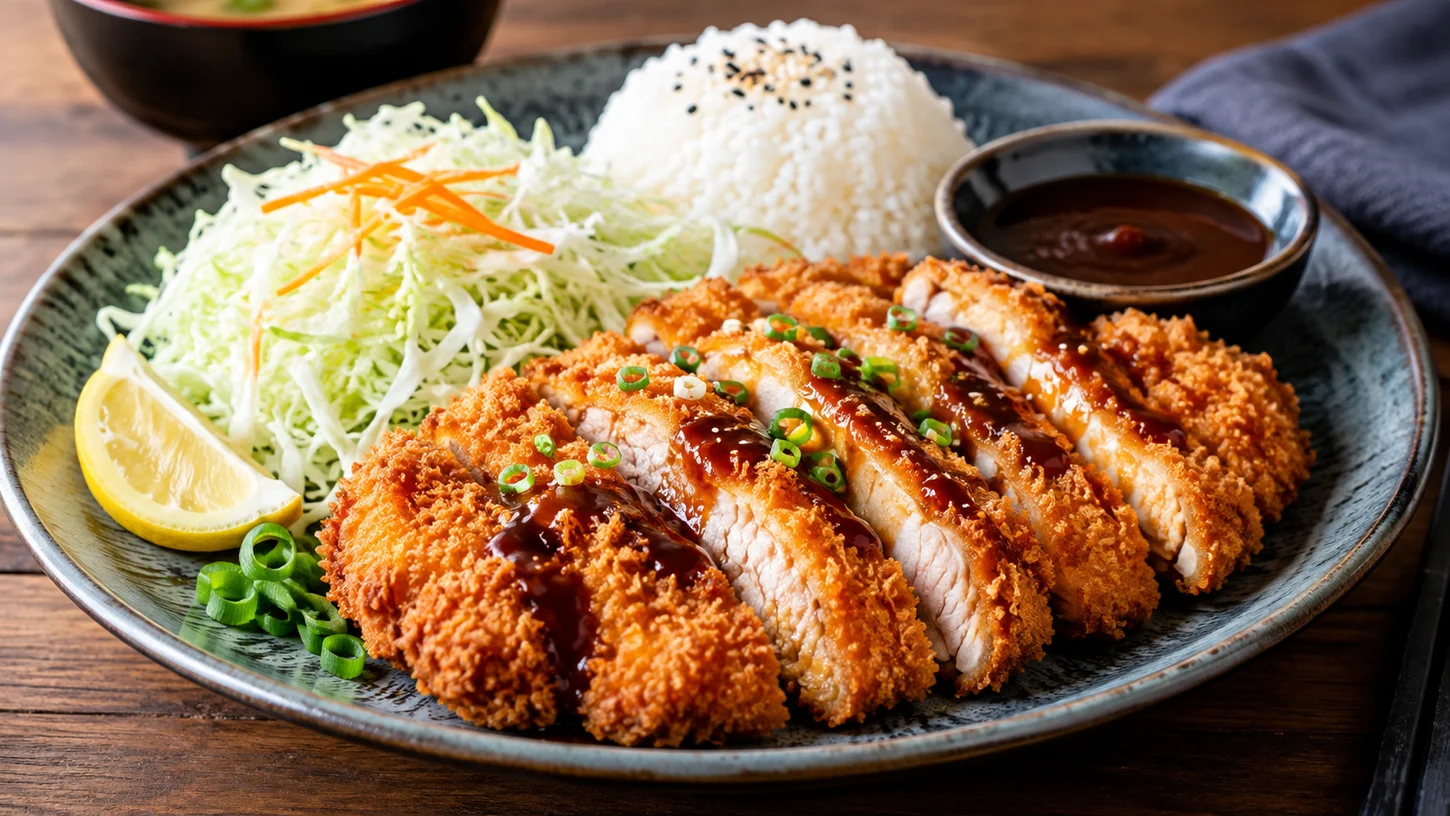
There are plenty of ways to cook chicken, but few dishes nail the combination of juicy, tender meat and a deeply golden, shatteringly crisp crust quite like crispy chicken katsu. This Japanese classic has become a firm favourite in home kitchens around the world—and it’s easy to see why. The method is straightforward, the ingredients are simple, and the result is genuinely satisfying every time.
Whether you’re cooking a midweek dinner or putting something special together for the weekend, a homemade chicken katsu recipe delivers restaurant-quality results without the fuss. All it takes is fresh chicken, a few pantry staples, and a good understanding of what makes the coating crisp up properly.
What Is Chicken Katsu?
The word katsu is a shortened form of katsuretsu, the Japanese adaptation of the word “cutlet.” In Japanese cooking, katsu refers to a boneless cut of meat—most commonly pork or chicken—that’s been pounded thin, coated in panko breadcrumbs, and deep-fried until golden.
Japanese chicken katsu differs from a traditional chicken schnitzel in a few key ways. While schnitzel typically uses fine breadcrumbs and a thinner crumb layer, chicken katsu relies on Japanese panko breadcrumbs, which are coarser and flakier. This makes them far better at trapping air during frying, resulting in a coating that’s significantly lighter, crispier, and more texturally interesting than a standard crumbed chicken.
It’s also worth distinguishing chicken katsu from other Japanese fried chicken dishes. Karaage Chicken is marinated directly in soy sauce, ginger, and sake before being coated in potato starch or flour and fried. The result is flavourful but closer to bite-sized nuggets. Chicken katsu, by contrast, uses a whole flattened fillet with a thick, crunchy panko shell—a different eating experience altogether.
Chicken katsu is traditionally served alongside steamed Japanese rice, finely shredded cabbage, and a rich, tangy katsu sauce. The contrast between the crispy chicken, soft rice, and fresh cabbage is a large part of what makes the dish so satisfying.
Ingredients for Crispy Chicken Katsu
For the Chicken
- Boneless chicken breast or boneless chicken thigh fillets
- Salt and black pepper
- Plain flour
- Eggs, beaten
- Panko breadcrumbs
- Neutral cooking oil for frying (vegetable, canola, or rice bran oil)
For the Katsu Sauce (Quick Pantry Version)
Traditional tonkatsu sauce uses fermented fruits and vegetables and is best sourced from a Japanese grocery if available. The following is a quick pantry alternative that produces a solid result at home:
- Ketchup
- Worcestershire sauce
- Soy sauce
- A small amount of sugar or honey
- Optional: a touch of Dijon mustard or minced garlic for extra depth
To Serve
- Steamed Japanese short-grain rice
- Finely shredded cabbage
- Spring onions, thinly sliced
- Lemon wedges
- Japanese mayonnaise (optional but recommended)
How to Make Crispy Chicken Katsu
Prepare the Chicken
Start by trimming any excess fat or sinew from your chicken fillets. The goal is even thickness throughout—this ensures the chicken cooks consistently rather than having thinner edges overcook while the centre is still underdone.
For chicken breasts, place the fillet between two sheets of baking paper or cling wrap and use a meat mallet or rolling pin to pound it to an even thickness of around 1–1.5 cm. For chicken thighs, simply open them out flat and press down gently. Uneven pieces are one of the most common causes of uneven cooking, so it’s worth taking the time to get this right.
Once flattened, season both sides lightly with salt and black pepper.
Set Up the Breading Station
Arrange three shallow bowls in a row: one with plain flour, one with beaten egg, and one with panko breadcrumbs. Working left to right, you’ll coat each piece of chicken in this order.
The flour layer is important—don’t skip it. It creates a dry surface for the egg to cling to, which in turn helps the panko stick evenly. Without it, the coating is far more likely to slide off during frying.
After pressing the chicken into the panko, use the palm of your hand to gently press the crumbs onto the surface. You want good contact without packing the breadcrumbs down too firmly, as compressed panko won’t puff up and crisp properly in the oil.
Fry the Chicken Until Golden and Crisp
Pour enough oil into a wide, deep pan or saucepan to reach a depth of about 3–4 cm. Heat the oil to approximately 170–180°C. If you don’t have a thermometer, drop a few breadcrumbs in—they should sizzle actively and float to the surface within a second or two.
Carefully lower the crumbed chicken fillets into the oil. Avoid overcrowding the pan; cook one or two pieces at a time depending on the size of your pan. Adding too much chicken at once drops the oil temperature, which leads to greasy, soggy results rather than a crisp crust.
Fry for around 4–5 minutes per side depending on thickness, until the coating is a deep, even golden brown and the chicken is cooked through. An internal temperature of 74°C is the safe target.
Once done, transfer the cooked chicken to a wire rack set over a tray—not directly onto paper towel. Resting on paper towel traps steam underneath, which softens the crust quickly. The wire rack allows air to circulate around the whole piece, preserving that crunch.
Make the Katsu Sauce
Authentic Japanese tonkatsu sauce—the kind served in restaurants in Japan—is made from a blend of fermented fruits, vegetables, and spices, often with mirin or sake, and takes time to develop properly. Dedicated brands like Bull-Dog are widely considered the gold standard. If you can find it at a Japanese grocery or Asian supermarket in Brisbane, it’s worth trying.
For a quick pantry shortcut that works very well in a home kitchen, whisk together ketchup, Worcestershire sauce, soy sauce, and a small amount of sugar or honey. The Worcestershire and soy provide the umami base that gives traditional katsu sauce its depth; the ketchup handles the sweetness and body. You can serve this as is, or briefly simmer it in a small saucepan for a minute or two if you prefer a slightly thicker, more concentrated result.
Adjust the balance to taste. More Worcestershire adds depth; more ketchup softens the edge; a dash of rice wine vinegar can sharpen it if it feels a little flat.
How to Get Extra-Crispy Chicken Katsu
The step-by-step above covers the method in full, but if your coating isn’t coming out as crisp as you’d like, these are the most common points of failure to check:
- Pat the chicken dry before breading. Surface moisture is the enemy of a crisp crust. A quick pat with paper towel before seasoning makes a noticeable difference.
- Use fresh panko, not stale. Stale panko has already absorbed ambient moisture and won’t crisp the same way. Check the packet before you use it.
- Rest the crumbed fillets in the fridge before frying. Even 15–20 minutes in the fridge helps the coating bind more firmly and reduces the chance of it sliding off in the oil.
- Keep the oil temperature steady throughout. After each batch, allow the oil to come back up to temperature before adding the next piece. A kitchen thermometer makes this easy.
- Don’t cover the chicken at any point after frying. A lid or foil traps steam and softens the crust within minutes. Leave it uncovered on the wire rack until you’re ready to plate.
For more how to get crispy chicken tips that apply across different cooking methods, it’s worth reading through that guide as well.
What to Serve With Chicken Katsu
Steamed Rice
Plain steamed Japanese short-grain rice is the classic companion for chicken katsu. Its mild flavour and slightly sticky texture make it the perfect base for soaking up the katsu sauce without competing with the main event. It also helps balance the richness of the fried chicken.
Shredded Cabbage
Finely shredded raw cabbage is a traditional and essential part of the plate. It adds a clean, fresh crunch that contrasts well with the fried chicken, and its mild flavour keeps things from feeling too heavy.
For the best result, shred the cabbage as finely as possible and soak it in a bowl of ice-cold water for 5–10 minutes before serving. This step firms up the cabbage significantly, removes any residual bitterness, and gives it a noticeably crisper texture. Drain and spin it dry before plating. A light drizzle of Japanese mayonnaise or a squeeze of lemon over the top rounds it out nicely.
Katsu Sauce
Katsu sauce can be drizzled directly over the sliced chicken or served alongside in a small dish for dipping. If you’re plating for a group, keeping the sauce on the side helps everyone control how much they use and prevents the coating from softening prematurely.
Other Serving Ideas
- Japanese mayonnaise, drizzled over the chicken or cabbage
- Pickled vegetables such as daikon or cucumber for brightness
- Steamed or blanched greens like edamame, broccolini, or bok choy
- A sprinkle of toasted sesame seeds
- Thinly sliced spring onions for freshness and colour
Can You Make Chicken Katsu in an Air Fryer?
Air frying is a workable alternative to deep frying, particularly if you’d prefer to use less oil. The method changes how the crust forms—rather than being submerged in hot oil, the chicken is cooked by circulating hot air—but with the right preparation, you can still get a satisfying result.
To air fry chicken katsu:
- Bread the chicken using the same flour → egg → panko method
- Lightly spray or brush the coated chicken with a neutral oil on both sides
- Place in the air fryer basket in a single layer with space between each piece
- Cook at 190–200°C for around 12–16 minutes, turning halfway through
- Exact time will vary depending on the thickness of your chicken and your specific air fryer model
It’s worth noting that deep frying generally produces the most traditional and consistently crispy result. The oil surrounds the coating completely, crisping it evenly and quickly. Air frying can produce a lighter, slightly less golden crust, though many home cooks find the trade-off worthwhile for the convenience.
Common Chicken Katsu Mistakes to Avoid
Even a straightforward recipe like this one has a few traps worth knowing about before you start:
- Not patting the chicken dry. Any surface moisture left on the fillet before breading creates steam during frying, which prevents the coating from crisping properly and can cause the panko to separate from the meat.
- Skipping the flour layer. Without it, the egg has nothing to grip and the panko coating won’t hold. The three-step process isn’t optional.
- Pressing the panko too firmly. The coating needs to stay light and airy to crisp up in the oil. If you pack it down, it becomes dense and heavy rather than crunchy.
- Not letting the oil recover between batches. Each batch of chicken drops the oil temperature. Adding the next piece too soon means it starts cooking in oil that’s too cool, and the crust absorbs oil instead of sealing.
- Cutting into the chicken immediately after frying. The inside is still steaming. Cutting straight away releases that steam upward through the crust and softens it from within. A couple of minutes on the rack makes a real difference.
How to Store and Reheat Chicken Katsu
Chicken katsu is at its best fresh from the pan, but leftovers can absolutely be saved and reheated with decent results if you handle them correctly.
Allow the cooked chicken to cool to room temperature before refrigerating. Store it separately from the rice, cabbage, and sauce where possible to prevent the coating from absorbing moisture. Properly stored, it will keep in the fridge for up to three days.
When reheating, use an oven or air fryer rather than a microwave. Place the chicken on a wire rack in a 180°C oven for around 8–10 minutes, or in an air fryer at 170°C for 5–7 minutes. Both methods circulate dry heat around the chicken, which helps restore some of the crispiness.
Microwaving is the one method to avoid for leftovers. The steam generated inside the microwave softens the breadcrumb coating quickly, and there’s no real way to recover it once that happens.
Crispy Chicken Katsu Recipe
Recipe: Crispy Chicken Katsu Cuisine:
Japanese
Category: Main Course
Prep Time: 20 minutes
Cook Time: 15 minutes
Total Time: 35 minutes
Servings: 4
Ingredients
Chicken
- 4 boneless chicken breast or thigh fillets (approx. 150–180 g each)
- Salt and black pepper, to season
- ½ cup plain flour
- 2 large eggs, beaten
- 1½ cups panko breadcrumbs
- Vegetable or canola oil, for frying (enough to reach 3–4 cm depth)
Katsu Sauce
- 3 tbsp ketchup
- 2 tbsp Worcestershire sauce
- 1 tbsp soy sauce
- 1 tsp sugar or honey
- ½ tsp Dijon mustard (optional)
To Serve
- 2 cups steamed Japanese short-grain rice
- 2 cups finely shredded cabbage
- 2 spring onions, thinly sliced
- Lemon wedges
- Japanese mayonnaise (optional)
Instructions
- Prepare and flatten the chicken. Place each fillet between two sheets of baking paper and pound to an even 1–1.5 cm thickness using a meat mallet or rolling pin.
- Season. Lightly season both sides of each fillet with salt and black pepper.
- Coat in flour. Dredge each fillet in plain flour, shaking off any excess.
- Dip into beaten egg. Coat both sides evenly.
- Coat thoroughly with panko. Press the panko onto the chicken firmly enough to adhere without compressing it.
- Heat the oil. Pour oil into a wide pan to a depth of 3–4 cm and heat to 170–180°C.
- Fry until golden and cooked through. Cook 1–2 fillets at a time for 4–5 minutes per side until deeply golden and cooked through (internal temp 74°C). Avoid overcrowding the pan.
- Drain on a wire rack. Transfer cooked fillets to a wire rack and rest for 2 minutes.
- Prepare the katsu sauce. Whisk together ketchup, Worcestershire sauce, soy sauce, sugar, and mustard (if using). Taste and adjust.
- Prepare the cabbage. Shred the cabbage finely and soak in ice-cold water for 5–10 minutes to crisp it up and remove any bitterness. Drain and spin dry before plating.
- Slice and serve. Slice each fillet crosswise and serve with steamed rice, prepared cabbage, katsu sauce, spring onions, and lemon wedges.
Recipe Notes
| Note | Detail |
| Chicken breast vs thigh | Breast is leaner with a firmer texture; thigh is juicier and more forgiving if slightly overcooked. Both work well. |
| Frying temperature | Keep the oil between 170–180°C. Too low and the coating absorbs oil; too high and it browns before the chicken is cooked through. Let the oil recover between batches. |
| Keeping the coating crisp | Rest on a wire rack, not paper towel. Slice just before serving and do not cover the cooked chicken. |
| Safe chicken doneness | Cook chicken to an internal temperature of 74°C. |
| Katsu sauce | This recipe uses a quick pantry version. For the most authentic result, look for a dedicated tonkatsu sauce (e.g. Bull-Dog) at a Japanese or Asian grocery store. |
| Shredded cabbage | Soak finely shredded cabbage in ice-cold water for 5–10 minutes before serving. It improves the crunch and removes any bitterness. Drain and spin dry before plating. |
Why the Cut and Quality of Chicken Matter
Chicken katsu is a dish with very few ingredients, which means the chicken does most of the work. The coating provides the crunch; the chicken itself provides the flavour and texture. So the quality of the fillet you start with is worth paying attention to.
Fresh chicken with good natural moisture content stays juicy inside the panko shell during frying. Chicken that has been previously frozen and thawed multiple times tends to release more liquid as it cooks, which can undermine the breading and leave the interior dry. This is particularly relevant for a recipe where you want the contrast between crispy exterior and tender, juicy meat to be the main event.
The cut matters too. Boneless thigh holds up well to the heat of deep frying—its slightly higher fat content keeps it moist even if the cooking time runs slightly long. Breast gives you a cleaner, firmer slice but is less forgiving. From a butcher’s perspective, both are excellent choices when the chicken is fresh and properly trimmed; the difference only becomes obvious when it isn’t.
At A Place 2 Meat, the fresh chicken is hand-cut and hormone-free, prepared fresh rather than pulled from a freezer. The boneless chicken thighs are well-suited to this recipe, and the free-range chicken thighs are a good option if you prefer a slightly different profile. Both are available to order online with delivery across Brisbane.
Frequently Asked Questions About Chicken Katsu
What Is the Difference Between Chicken Katsu and Chicken Schnitzel?
Both dishes involve a flattened, crumbed, and fried chicken fillet, but the details set them apart. Chicken schnitzel, rooted in Austrian and European cooking, traditionally uses fine dried breadcrumbs and is often cooked in a shallower amount of fat. Japanese chicken katsu uses panko breadcrumbs, which are coarser and flakier, producing a lighter and noticeably crispier coating. The sauces are also different—schnitzel is typically served with lemon or a creamy sauce, while chicken katsu comes with the distinct sweet-savoury katsu sauce.
What Cut of Chicken Is Best for Chicken Katsu?
Both boneless chicken breast and boneless chicken thigh work well. Breast is leaner with a firmer, more uniform texture once pounded flat. Thigh is slightly fattier, which generally means it stays juicier through the frying process and is more forgiving if cooked for an extra minute or two. If you want the most reliably tender and moist result, thigh is a good pick.
Why Is My Chicken Katsu Not Crispy?
The most common culprits are oil temperature, moisture, overcrowding, and improper draining. If the oil isn’t hot enough when the chicken goes in, the coating absorbs oil before it can crisp. If the chicken has surface moisture (from washing or not drying properly), it can steam rather than fry. Overcrowding drops the oil temperature significantly. And resting the cooked chicken on paper towel rather than a wire rack allows steam to soften the underside of the crust quickly.
Can I Bake Chicken Katsu Instead of Frying It?
Yes, though the result differs from the fried version. To bake, preheat your oven to 200°C (fan-forced) and place the crumbed chicken fillets on a wire rack set over a lined baking tray. Lightly spray or brush both sides with oil. Bake for 20–25 minutes, flipping once halfway through, until golden and cooked through. The coating won’t be quite as crisp or evenly golden as the fried version, but it’s a workable alternative.
Can I Make Chicken Katsu in an Air Fryer?
Yes. Coat the chicken as usual, brush or spray with oil on both sides, and cook in a single layer at 190–200°C for 12–16 minutes, turning halfway. Results will vary depending on your air fryer model and the thickness of the chicken, so check internal temperature to confirm doneness at 74°C.
What Breadcrumbs Are Best for Chicken Katsu?
Japanese-style panko breadcrumbs are the correct choice here—and the reason why. Panko is made from white bread without crusts and processed into large, flat flakes rather than fine crumbs. This structure creates a coating that traps air during frying, producing a shell that’s light, airy, and distinctly crunchy. Fine dried breadcrumbs pack together more densely and produce a heavier, less texturally interesting crust. Panko is widely available in supermarkets across Brisbane and is well worth using.
Can Chicken Katsu Be Made Ahead of Time?
You can prepare the chicken up to the breading stage a few hours in advance. Place the crumbed fillets on a tray, cover loosely, and refrigerate until ready to fry. This actually helps the coating adhere more firmly. Frying is best done just before serving. If you do need to cook ahead, reheat in an oven or air fryer rather than a microwave to preserve as much crispiness as possible.
Start With the Right Chicken—A Place 2 Meat Has You Covered
Crispy chicken katsu is one of those recipes that rewards a bit of care and attention. Get the technique right—flatten evenly, bread properly, fry at the right temperature, and drain on a wire rack—and you end up with golden, crunchy, juicy chicken that holds its own against anything from a restaurant menu.
Good technique only goes so far, though. Starting with quality, fresh chicken makes a genuine difference to the final result, and that’s where A Place 2 Meat comes in. The fresh chicken range—including boneless chicken thighs and free-range chicken thighs—is hand-cut, hormone-free, and available for online ordering with delivery across Brisbane. Head to the shop, pick up what you need, and get cooking.